
Twilight Syndrome's Nintendo DS horror finale is now in English
The 2008 Japan-exclusive Nintendo DS horror game Twilight Syndrome: Kinjirareta Toshi Densetsu has received a complete English fan translation patch.
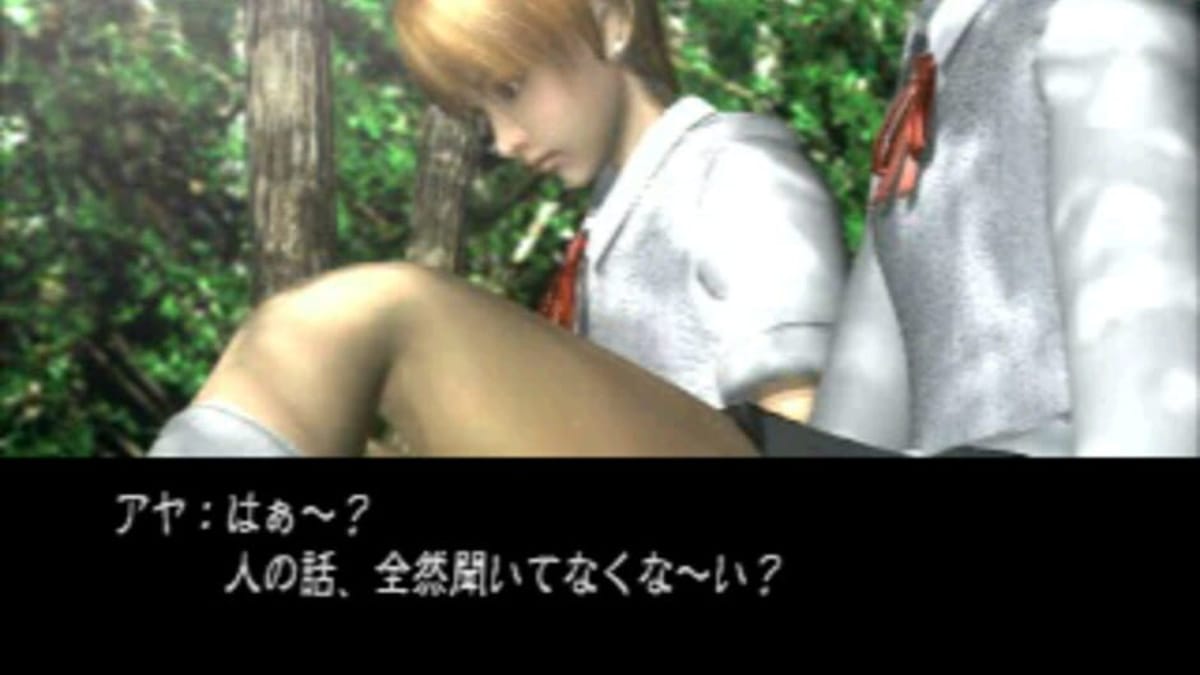
ROM hacker and translator Talion released a complete English fan translation for the 2008 Nintendo DS horror game Twilight Syndrome: Kinjirareta Toshi Densetsu on September 18. The version 1.0 patch makes the Japan-exclusive title fully playable in English for the first time. According to recent video coverage, the project goes beyond a basic script swap, translating the game's interface and presentation alongside the dialogue.
The project was initially teased earlier in September following the creator's work on a Spanish localization. The final English release translates all 6,653 lines of dialogue hardcoded into the game's ARM9 binary. The patch is distributed as a BPS file (which you can apply using tools like Floating IPS), rather than an xdelta file.
Rebuilding the text
Getting English text to display correctly on older Japanese hardware usually requires significant reverse-engineering. Talion had to create a custom Latin NFTR font from scratch and redraw dozens of graphical menus, name tags, and item description tiles. It takes remarkable patience to manually redraw UI elements just so a menu looks natural in another language.
A long history of schoolyard rumors
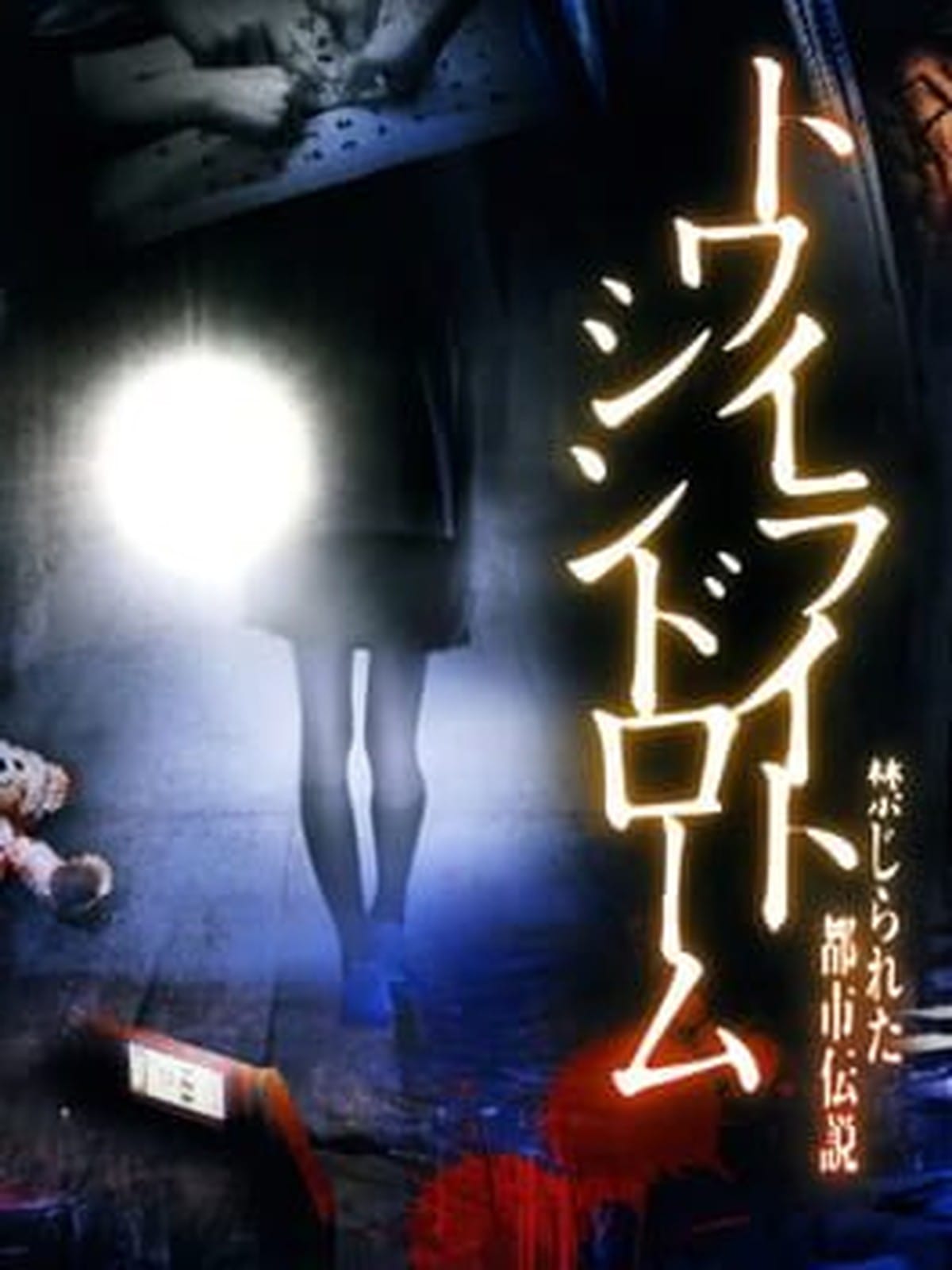
Twilight Syndrome: Kinjirareta Toshi Densetsu translates roughly to "Forbidden Urban Legends." It's the final entry in a franchise that began on the original PlayStation in 1996. The series debuted under Human Entertainment with early involvement from Goichi Suda (Suda51), building a cult following around its side-scrolling investigation mechanics and heavy use of binaural 3D audio.
When Human Entertainment collapsed in the late 1990s, publisher Spike acquired the property. They released Twilight Syndrome: Saikai in 2000 before eventually bringing the series to the Nintendo DS in 2008. The dual-screen hardware was a natural fit for visual novels and adventure games, housing heavy hitters like 999: Nine Hours, Nine Persons, Nine Doors and Ghost Trick: Phantom Detective.
The transition to the Nintendo DS allowed the developers to utilize the system's unique hardware features, but the core appeal remained the same. Like its predecessors, Kinjirareta Toshi Densetsu relies heavily on atmosphere and sound design. The original PlayStation games were famous for recommending players wear headphones to experience the binaural audio effects, a tradition that translates perfectly to a handheld console. The gameplay loop involves navigating side-scrolling environments, talking to classmates, and making choices that determine whether your investigation ends in a solved mystery or a supernatural disaster.
The Danganronpa connection
The DS entry tasks high school students with investigating classic Japanese folklore and modern school ghost stories. Players look into rumors surrounding Kokkuri-san, Hitori Kakurenbo, and Hanako-san. For nearly two decades, Western players only knew the franchise through its spiritual successors or pop culture references.
Spike Chunsoft famously paid tribute to the series in 2012 by featuring an in-universe retro game called Twilight Syndrome Murder Case as a major plot point in Danganronpa 2: Goodbye Despair. That homage specifically recreated the 2D side-scrolling aesthetic of the PlayStation originals, introducing a massive new audience to a franchise they couldn't actually play in English.
Comments ()