
Sony patents a 3D holographic projector built on cheap panels
Published patent application US 2026/0349386 A1 trades expensive glass lenses and high-density displays for software pre-correction and eye tracking.
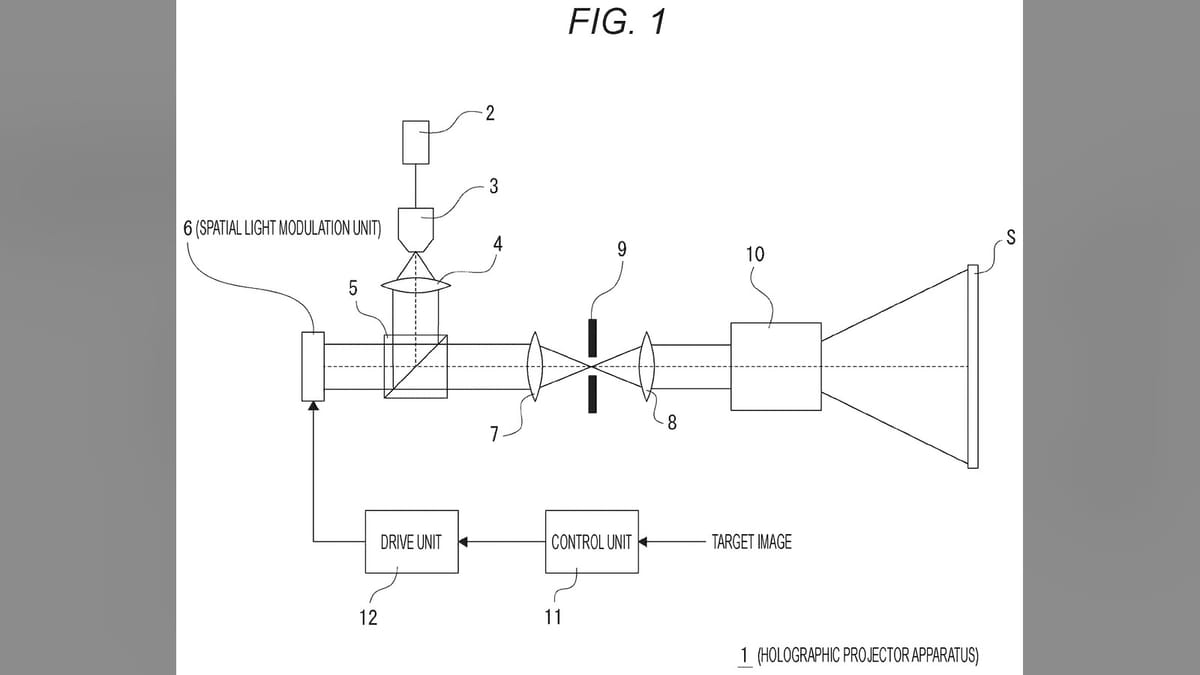
Sony Group Corporation has published a patent application for a holographic projector that generates sharp 3D optical images using lower-cost, lower-resolution display panels and software math. Published on November 5, 2026, under application number US 2026/0349386 A1 (and spotted by Patentlyze), the filing outlines a control method that predicts hardware blur and cancels it out before the light ever hits a screen or lens.
Sony has been working on this optical approach for a couple of years. The US filing entered the national stage on November 21, 2025, following an original international application (PCT/JP2024/018634) filed in Japan on May 21, 2024. As always with hardware filings, this is a patent application rather than an announced PlayStation peripheral or a guarantee of a retail product, though the timing lines up neatly with the company's quiet retreat from traditional virtual reality headsets.
Four half-pixel shifts instead of expensive glass
Standard holographic projectors fire coherent laser light onto a spatial light modulator (SLM), a liquid crystal chip that bends light pixel by pixel to form a hologram, before pushing that image through projection lenses and an aperture filter. Every component in that chain degrades the picture. The filter narrows the light, the projection lens introduces aberrations, and adjacent pixel edges on the liquid crystal panel bleed into one another, a flaw known as disclination.
The brute-force solution is buying denser silicon panels and heavy, precision-ground glass lenses, which sends manufacturing costs and physical weight soaring. Sony's control unit stores measured data about the hardware's exact optical flaws ahead of time and calculates a "correction hologram" that pre-distorts the image so the physical blur cancels itself out.
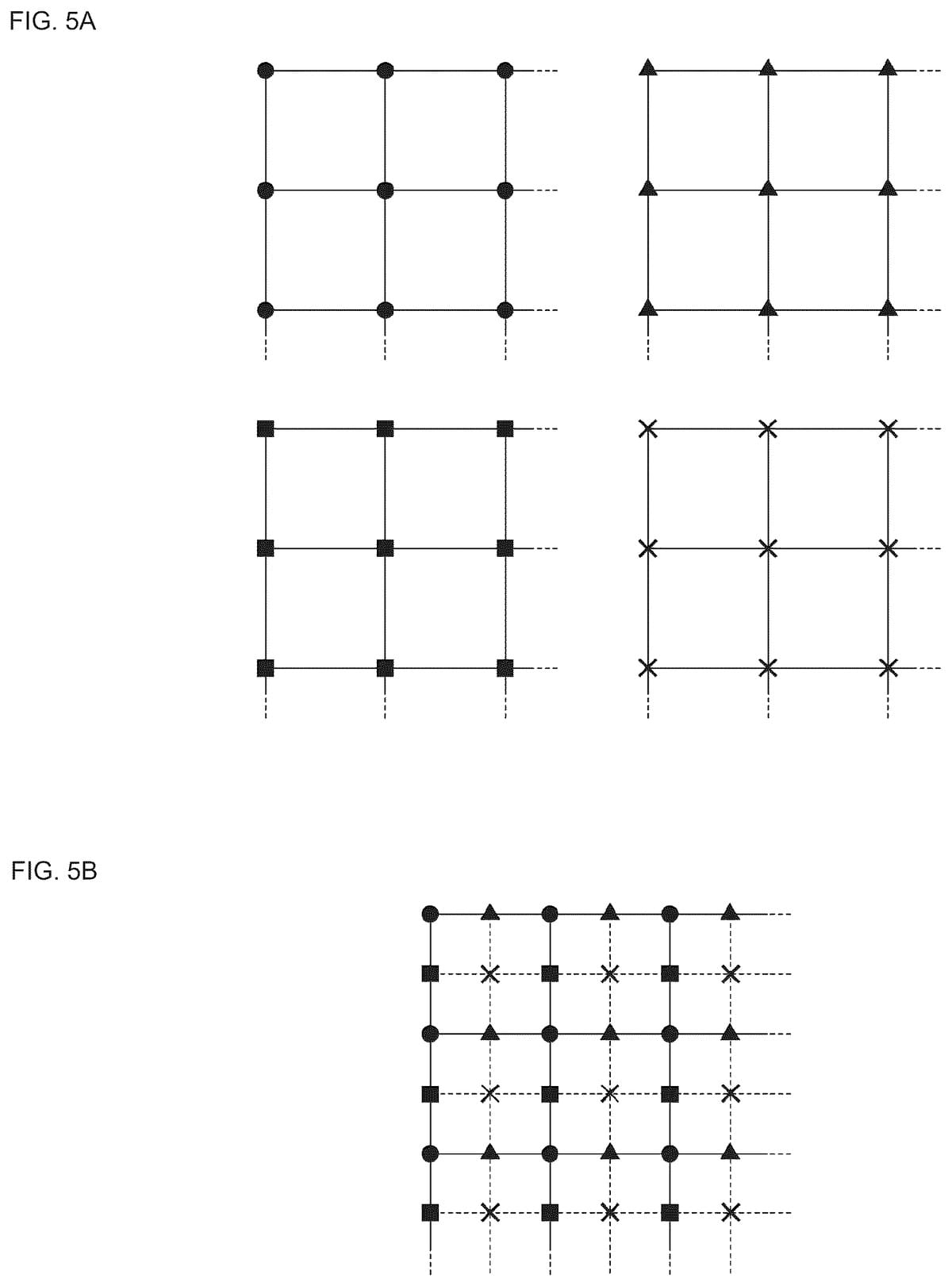
To get around the panel's low native resolution, the system uses a super-resolution technique called shift multiplexing. For every single frame, the projector calculates and flashes four slightly shifted copies of the hologram in rapid succession, each offset by half a pixel (or even a quarter of a pixel), relying on human visual persistence to blend those overlapping flashes into one sharp image. Because the shift is baked into the holographic pattern itself, the projector doesn't need a vibrating mechanical mount.
Moving on from the $550 plastic visor
It's hard to look at Sony's parent company researching cheap, compact 3D optics without thinking about the commercial crater left by PlayStation VR2. Launched in February 2023 at an ambitious $549.99 (more than the PlayStation 5 required to run it), the headset saddled players with a tethered USB-C cable, a bulky visor, and proprietary OLED optics. Even after reports of paused production lines in 2024, a $59.99 PC adapter clearance strategy, and a price cut to $399.99 in early 2025, gamers and first-party studios have largely moved on. PlayStation VR2 is pretty much dead.
If Sony Interactive Entertainment ever takes another swing at spatial gaming, strapping a heavy plastic brick to your face probably isn't the play. Swapping heavy glass optics and pricey micro-displays for compact laser projection opens up a few obvious paths:
- Lightweight AR or XR glasses: Bulky lenses and front-heavy panels killed mainstream VR comfort. Replacing thick glass stacks with software-corrected laser projection could let Sony build standalone, glasses-style displays you can wear for more than forty minutes without neck strain.
- Glasses-free 3D tabletop displays: The patent covers projecting volumetric 3D images onto flat or textured surfaces. Putting a 3D hologram directly onto a desk or screen eliminates the social isolation and eye fatigue that kept VR headsets collecting dust in living rooms.
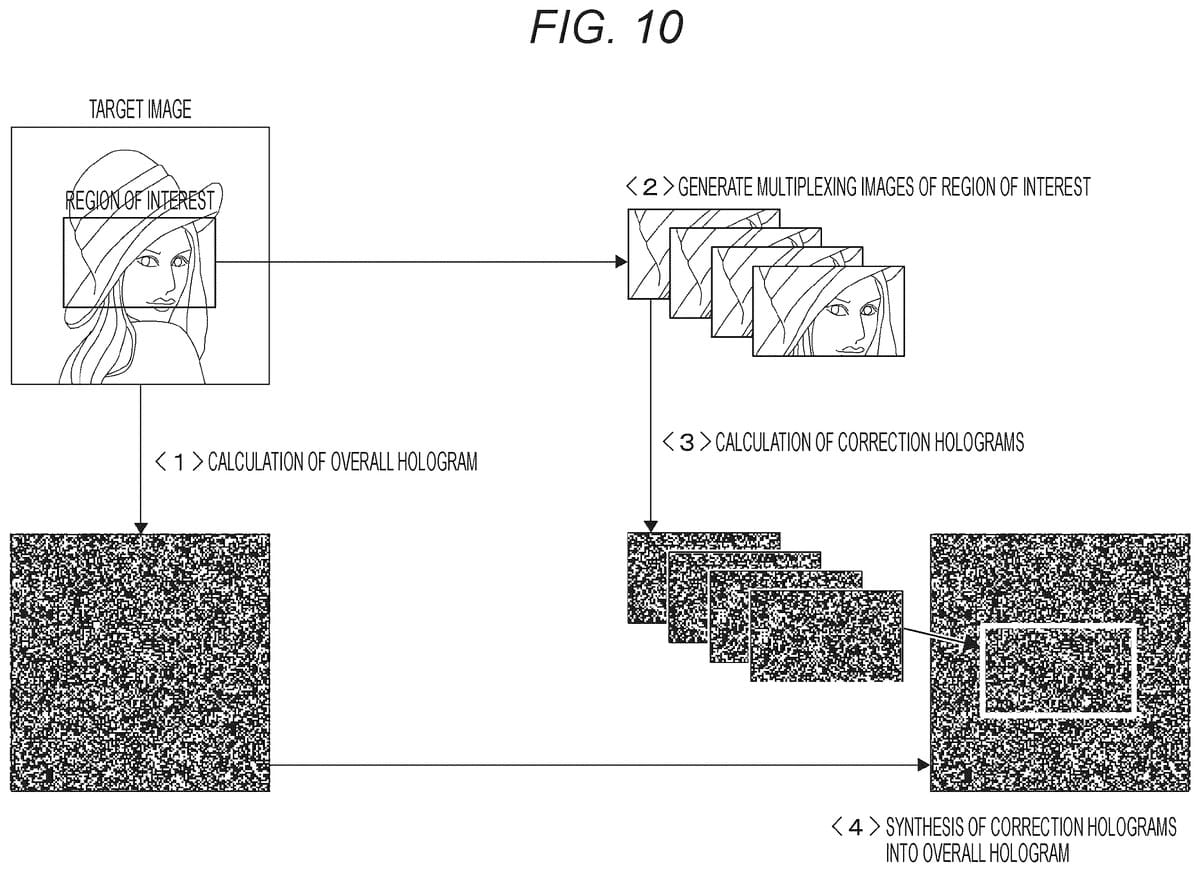
- Eye-tracking synergy: The best piece of engineering inside the PSVR2 was its eye-tracking cameras, which powered foveated rendering. Calculating four separate correction holograms per frame is a massive computing bottleneck, so this patent proposes using gaze-tracking cameras to apply heavy holographic correction only to the exact spot the user is looking at.
Trading expensive glass and silicon for math makes plenty of sense on paper, because processing power gets cheaper every year while precision optics do not. What remains to be seen from a block diagram is whether a cheap liquid crystal panel can cycle four shifted sub-frames fast enough to avoid giving players a splitting headache.

Comments ()