
ROMhacking.net adds the complete Summon Night Swordcraft 3 patch
After 13 years of work, the full English translation patch for the GBA action RPG Summon Night Craft Sword Monogatari: Hajimari no Ishi is cataloged.
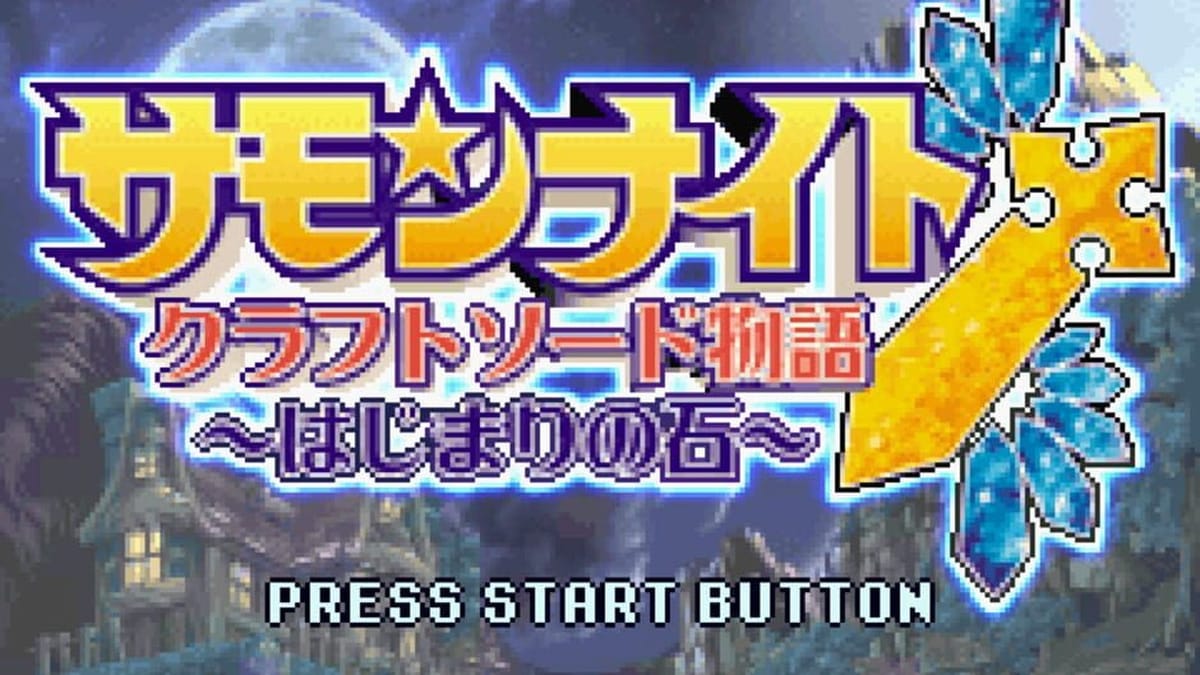
The completed English fan translation for the Game Boy Advance action RPG Summon Night Craft Sword Monogatari: Hajimari no Ishi has been cataloged on ROMhacking.net following its v1.1.1.f update on October 30, 2026. The Swordcraft Story 3 Translation Team originally launched the full v1.06 patch on September 30 through their project website, wrapping up a community effort first announced on GBAtemp in August 2013.
Players in the West know the sub-series as Summon Night: Swordcraft Story, though this third entry (subtitled Stone of Beginnings) never received an official English release. It launched in Japan on December 8, 2005. With the recent patch, the entire Game Boy Advance trilogy is playable in English from start to finish.
Thirteen years of LZ77 compression and proofreading
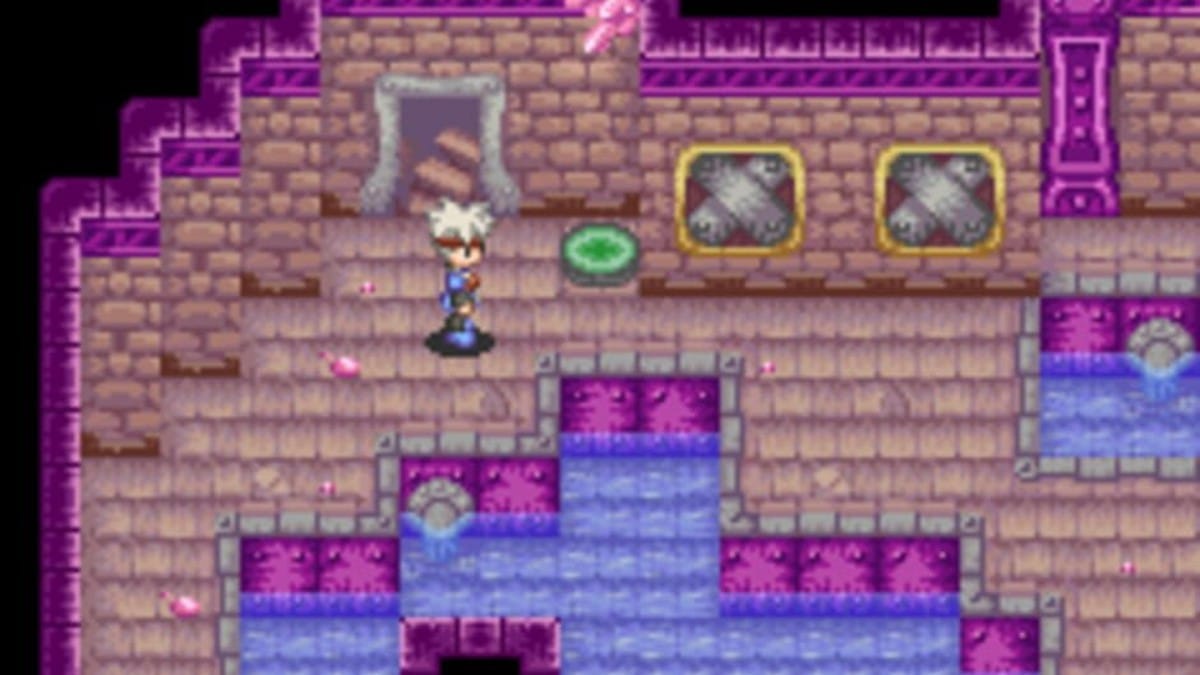
Translating a text-heavy RPG takes patience, and doing it for a 2005 handheld game without source code takes a minor miracle. Work began in 2013 when hackers started reverse-engineering the game's LZ77-compressed data and retooling its compact menus. Over the next 13 years, volunteers translated thousands of lines of story dialogue, item descriptions, bestiary entries, glossaries, and post-game content.
The team points out in the release notes that every piece of code and translated text was handled 100% by humans, without any machine translation or AI tools, and went through multiple rounds of proofreading by native English speakers.
The game is fully playable from the opening scenes through the post-game "final day" content. A few minor tasks remain on the team's checklist for future updates. They are still fixing occasional typos, translating graphics for the fishing minigame, and planning an English dub for the battle voice lines, which is an ambitious stretch goal for a 32-bit cartridge.
Why Atlus left the trilogy unfinished in 2006
Mainline Summon Night titles are grid-based tactical RPGs, an approach developer Flight-Plan used across much of its catalog, including Black/Matrix and Dragon Shadow Spell. For the Swordcraft Story spin-offs on the Game Boy Advance, Flight-Plan and publisher Banpresto switched genres. They built dungeon crawlers with real-time, side-scrolling 2D battles that play a lot like Bandai Namco's Tales series. You forge your own swords, spears, axes, knuckles, and drills, then bring them into battle alongside a summoned Guardian Beast. Weapon durability actually matters here, as breaking an opponent's blade mid-fight is a valid strategy.
Atlus USA localized the first two games in North America in 2006, releasing the original in July and the sequel in October. Both developed a cult following, though the timing worked against the third game. Nintendo had already launched the DS in late 2004, and by late 2006 the Game Boy Advance market was winding down in North America. Atlus skipped Hajimari no Ishi, even though it adds bow crafting and lets players swap between the protagonist and their Guardian Beast during combat.
An official re-release was never likely to rescue it. Banpresto's video game division was absorbed into Bandai Namco in 2008, and Flight-Plan shut down in August 2010 after financial trouble, with many of its developers moving on to form Felistella. Because the rights and original assets are buried in corporate history, the series has not appeared on modern digital storefronts or retro collections.
Comments ()