
WrestleQuest developer Mega Cat Studios opens global call for playtesters
The studio behind Five Nights at Freddy's: Into the Pit is building a database of testers across all ages and access needs for upcoming projects.
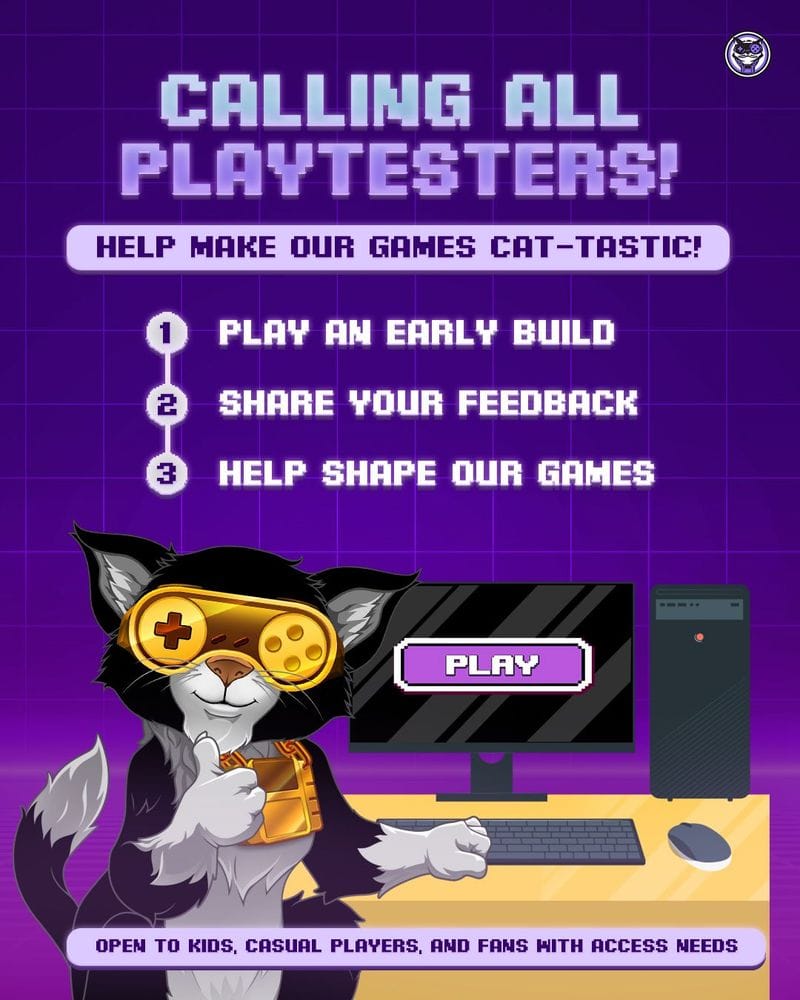
Mega Cat Studios has opened a global call for playtesters, inviting users of all ages and nationalities to join its development database for upcoming projects. According to a post on Bluesky, the studio is specifically seeking a diverse range of participants, noting that they are looking for players with "all access needs" to help refine future titles.
The process involves signing up for a tester database rather than applying for a specific game immediately. Once registered, the studio plans to reach out to individuals when a project matches their specific profile. This approach suggests a move toward more targeted demographic testing rather than the broad, open beta stress tests often seen in the multiplayer shooter space.
A Cat with Nine Lives (and Consoles)
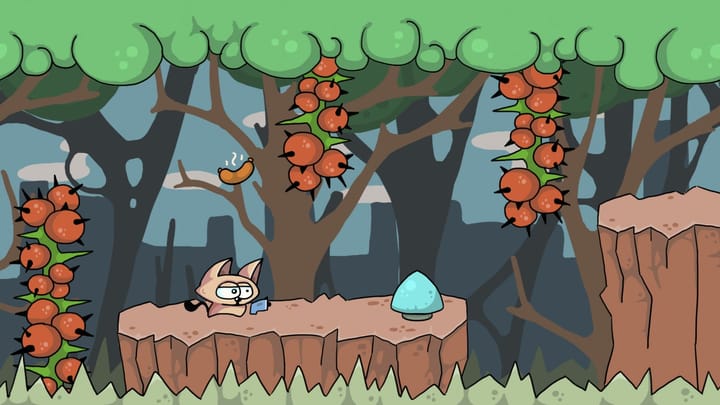
For those who haven't been tracking the homebrew scene, Mega Cat Studios occupies a specific, somewhat chaotic niche in the gaming landscape. While many indie developers adopt a "retro aesthetic" using modern engines like Unity or Godot, Mega Cat has a history of doing things the hard way. They are best known for developing brand new games for dead consoles, including the Nintendo Entertainment System, Sega Genesis, and Game Boy.
Their catalog includes titles like Coffee Crisis, a beat 'em up that saw a release on a physical Sega Genesis cartridge, and Log Jammers, an arcade sports title for the NES. Developing for this hardware isn't just an aesthetic choice. It requires working within the strict memory and processing limitations of 1980s silicon. When you are coding for the NES, you aren't worrying about ray tracing. You are worrying about whether you have displayed more than eight sprites on a horizontal line.
More recently, the studio has bridged the gap between retro enthusiast circles and mainstream success. They developed WrestleQuest, a turn-based RPG that fused pro wrestling culture with 16-bit mechanics, and Five Nights at Freddy's: Into the Pit, a 2D adventure entry in the massive horror franchise. The latter was particularly notable for translating a series known for 3D jumpscares into a pixel-art format without losing the tension required by the fanbase.
The Accessibility Angle
The specific mention of "all access needs" in the playtest announcement is significant for a studio rooted in retro design. Classic gaming is historically notorious for its lack of accessibility. The 8-bit era was defined by high contrast flashing lights, precision input requirements, and text that was often difficult to read on CRT televisions. Accessibility features were nonexistent because the hardware barely had enough RAM to run the game logic.
By actively recruiting testers with diverse access needs, Mega Cat appears to be prioritizing modern usability standards, even if their visual style remains rooted in the past. This aligns with a broader industry trend where retro-styled games are expected to include options for color blindness, input remapping, and difficulty scaling that were impossible in 1989.

Comments ()