
Vectrex Mini drops its OLED screen for an IPS display
The highly anticipated mini console is swapping its promised OLED panel for an IPS display due to cost and performance concerns. It might not make a huge difference when using an overlay.
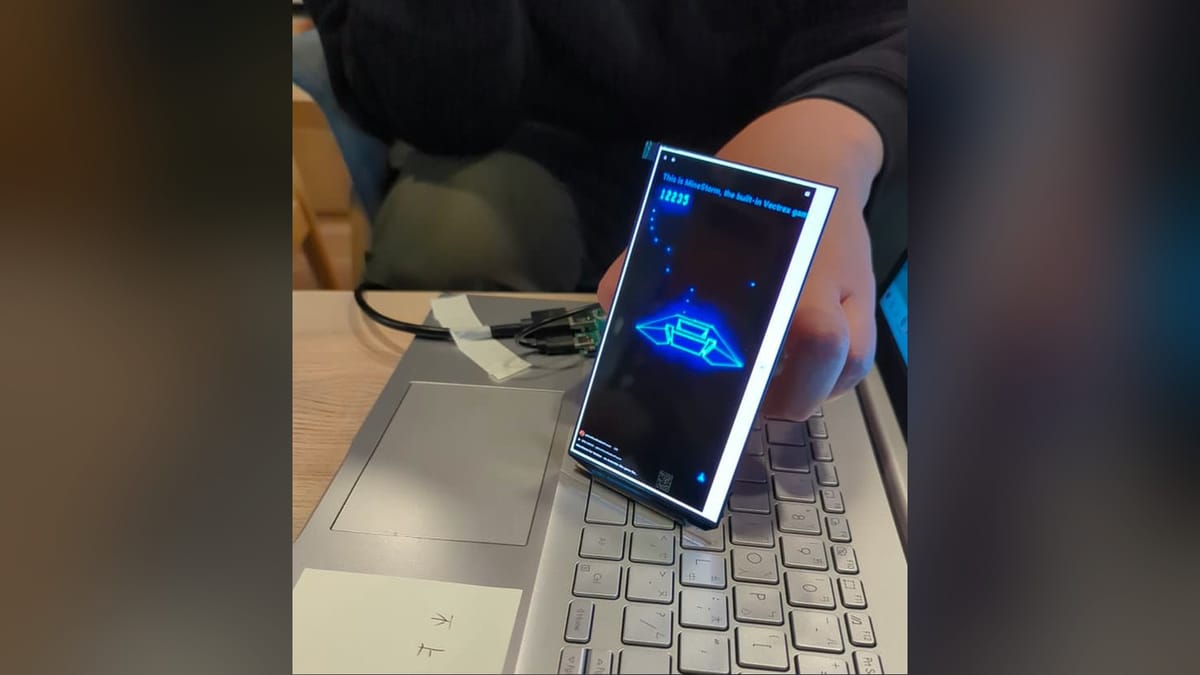
The team behind the Vectrex Mini has confirmed they are abandoning the console's planned OLED screen in favor of a 5-inch IPS display. The change comes as the project gears up for its final production stages following a successful €1.2 million crowdfunding campaign late last year.
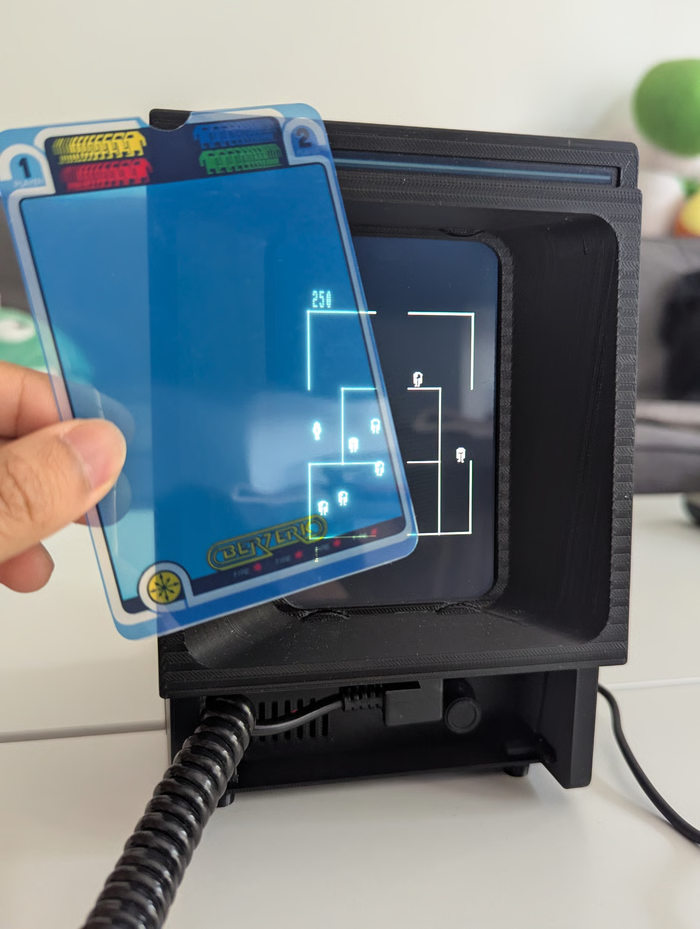
According to the latest Kickstarter update, the developers hit a wall when trying to source the panels. Vector graphics are hard to pull off on a normal LCD. I was really looking forward to the OLED. I wish they would have allowed a post-pledge "upgrade to OLED" option for backers willing to cover the extra cost. Instead, every unit will ship with an 800x480 IPS panel. Which will probably be fine and not be noticeable while using an overlay. But I love my OLEDs...
The $40 problem
Cost was the main roadblock. The team couldn't find a suitable 5-inch OLED display for less than $40 per unit, even at industrial quantities. That price would've blown up the manufacturing budget for a console that originally sold to backers for around $173.
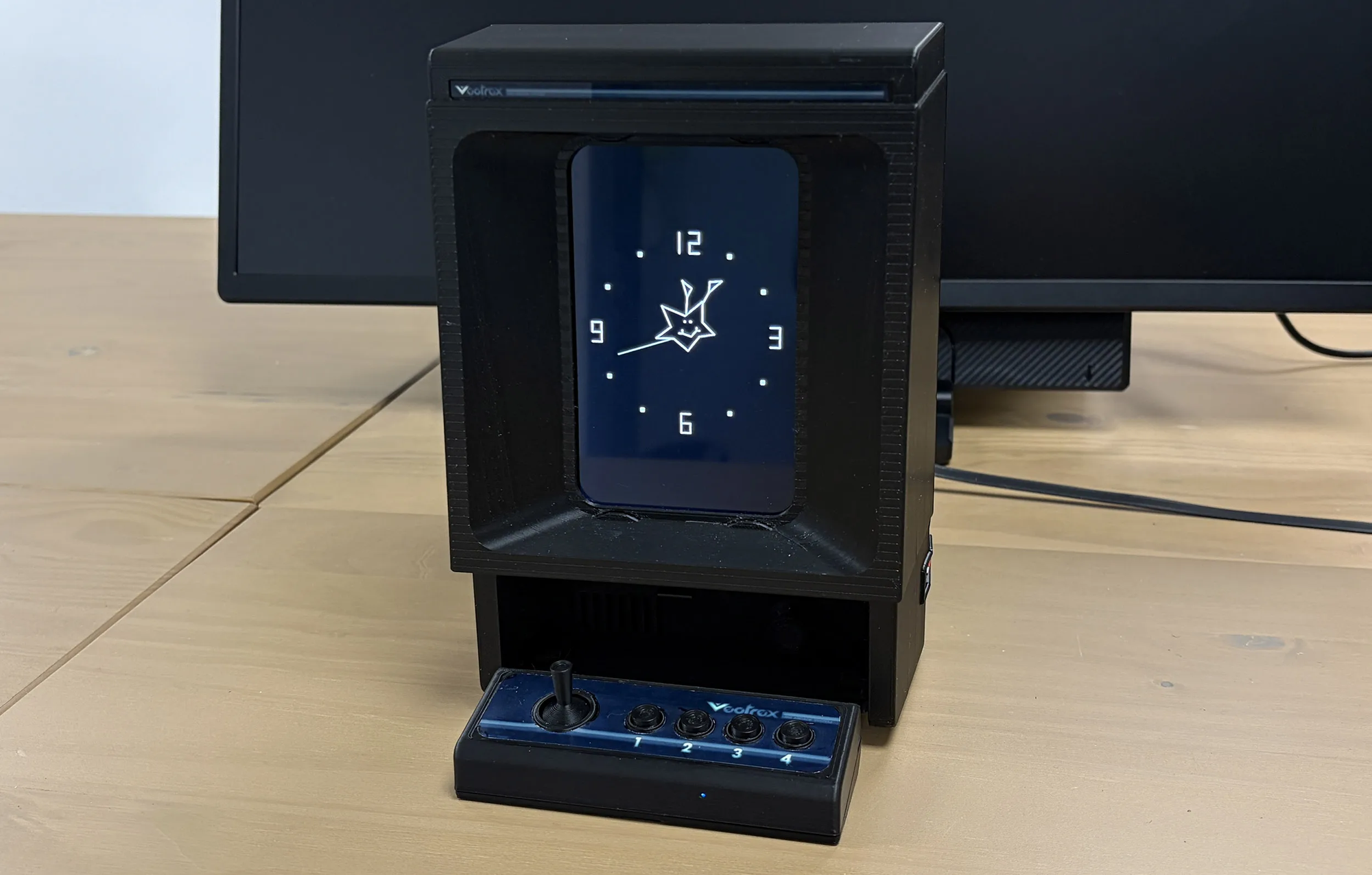
There were technical hurdles as well. The Vectrex Mini runs on an ESP32-P4 processor, which the developers optimized for an 800x480 resolution. The OLED panels they tested featured much higher pixel counts. Pushing that extra data would have taxed the processor and potentially ruined the frame rate. For a system built entirely around smooth, fast-moving vector lines, performance had to win out over contrast ratios.
The OLED samples also proved too fragile. The glass layers were thin enough that the console's chassis would have needed significant reinforcement. The chosen IPS display comes in a metal housing, and it hits a peak brightness of 900 nits. The developers noted that burn-in was a real concern with OLED technology anyway, given that Vectrex games display bright, static lines against a black background.
Scaling the vectors
Development on the MiniOS is still moving forward. Programmer Richard Stephens recently added a setting that lets players increase the size of individual vector points. This solves a scaling issue where small details, like the firing dots in Mine Storm, became nearly invisible on the 5-inch screen. The HDMI output now supports both landscape and portrait orientations for TATE mode.
The original Vectrex launched in 1982 through General Consumer Electronics. It's the only home console to use a built-in vector monitor. Players used physical plastic overlays to add color to games like Scramble and Armor Attack. The system died in the 1983 market crash, but it maintained a dedicated homebrew community for decades. The Mini attempts to replicate that experience by scaling the hardware down and using virtual and physical overlays over a modern screen.
The hardware will be playable at the Portland Retro Gaming Expo from October 9 to 11, where original 1982 Vectrex creator Jay Smith will join the team at their booth. A dedicated launch event is also scheduled for November 21 in London.
The Kickstarter update also highlighted a few community projects. AR Vectrex is releasing a new physical game for the original 1982 hardware called Cyborg Total War C4000. It comes in two different editions that let you play as either the human resistance or the machines.
Comments ()