
SM2-Emu is now Keisho and adds Sega Model 3 support
Open-source arcade emulator SM2-Emu has rebranded to Keisho in version 0.9.60, bringing Sega Model 1, Model 2, and Model 3 hardware under one roof.
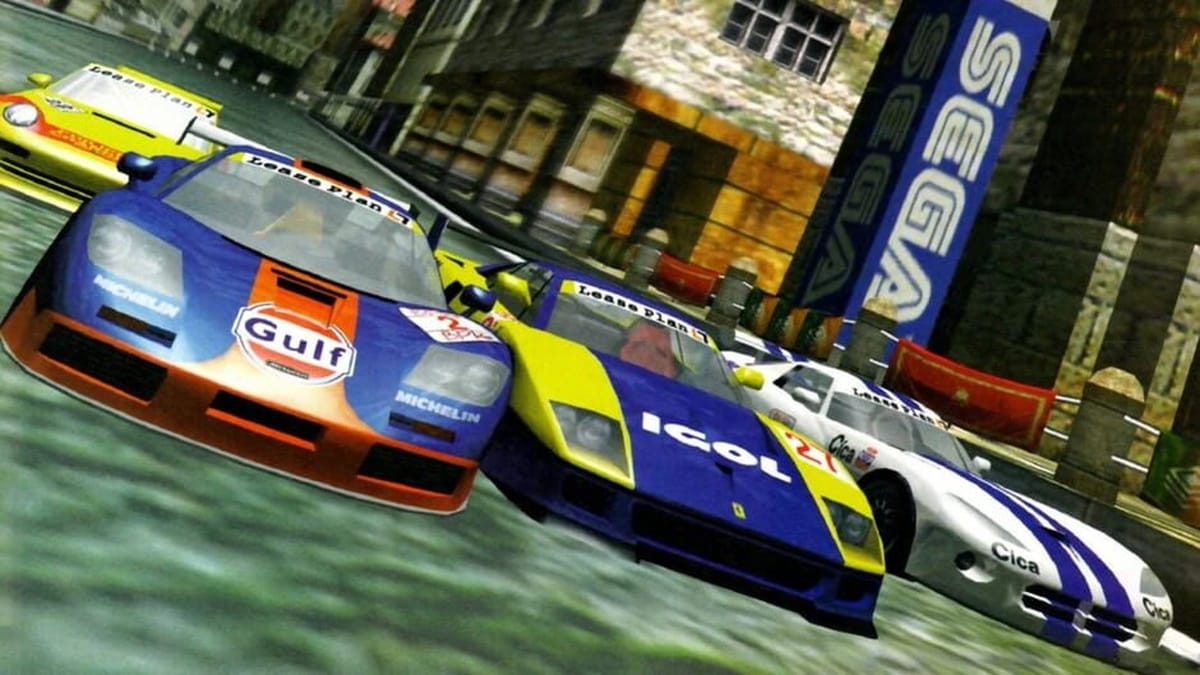
Developer Daniel Martin (dmanlfc) has renamed the Sega arcade emulator SM2-Emu to Keisho alongside its version 0.9.60 update, adding Sega Model 3 emulation to a project that already covered Model 1 and Model 2 hardware. Released on November 13 under the GPLv3+ license, the free 64-bit emulator runs natively on x86-64 and ARM64 Linux (including Batocera and an AppImage), macOS via MoltenVK, and Windows.
Martin originally launched the project as sm2-emu in February 2025 to fix a long-standing headache on Linux and low-power ARM boards. Emulating 1990s Model 2 arcade games like Daytona USA, Virtua Fighter 2, and Sega Rally Championship meant wrapping ElSemi's closed-source Windows Model 2 Emulator (untouched since January 2014) in Wine, or settling for MAME drivers that ran too slowly on small single-board computers. Earlier in November 2026, Martin added Sega Model 1 support for flat-shaded 1992 and 1993 games like Virtua Racing and the original Virtua Fighter before bringing Model 3 in and changing the name, which translates from Japanese as "inheritance" or "succession."
52 Model 3 sets reach gameplay
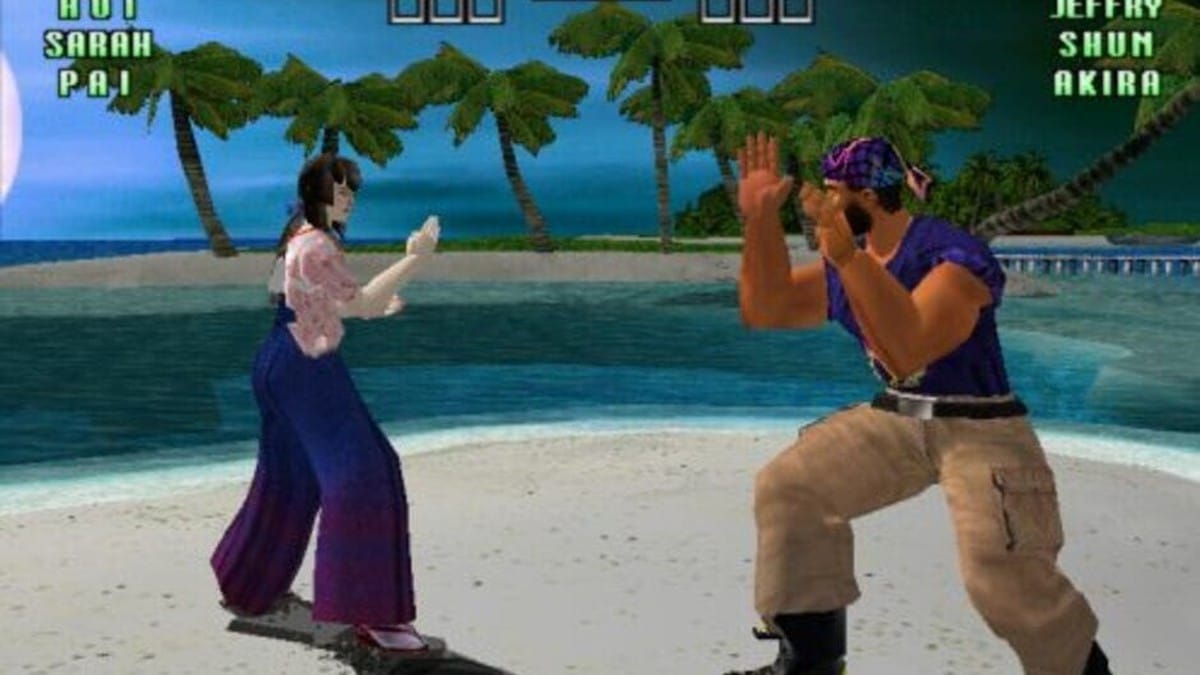
Pulling all three generations of Sega and Lockheed Martin's 1990s 3D arcade boards into one program puts Model 3 classics like Scud Race, Virtua Fighter 3, and Daytona USA 2 next to their predecessors, territory previously left to Bart Trzynadlowski's standalone Supermodel emulator. Because Sega never brought Scud Race or Daytona USA 2 directly to home consoles in the late 1990s, arcade emulation is still the standard way to play them.
Keisho's database tracks 163 ROM sets: 100 across Model 1 and all four Model 2 revisions (original, 2A, 2B, and 2C), plus 63 for Model 3. Of the 54 Model 3 sets tested so far, 52 reach gameplay with working drive boards, billboards, network boards, and DSB1/DSB2 MPEG music hardware, skipping operator test-menu setup altogether. Only two Sega Rally 2 prototypes fail to boot on existing dumps, and Star Wars Trilogy Arcade lacks force feedback because its flight-stick firmware has never been dumped.
I'm impressed that four-way linked Model 3 races already work over Wi-Fi between a Mac and three Batocera handhelds, including using one screen as the Daytona USA 2 live spectator monitor. Keisho emulates the original cabinet ring network over UDP rather than using rollback netplay, and it pairs that with force-feedback wheel support, light gun recoil, custom texture replacement, a 128 MB rewind buffer, and automatic conversion for older .sm2state save files.
Built for Linux and single-core speed, begrudgingly on Windows
Hardware requirements come down almost entirely to single-core CPU performance with out-of-order execution. Model 1's NEC V60 and Model 2's Intel i960 run alongside their geometry coprocessors as interpreters on a single thread, whereas Model 3's PowerPC 603e uses a JIT compiler on x86-64 and arm64. Because the original arcade rasterizer has no depth buffer and forces modern GPUs to shade hidden pixels, Keisho's multithreaded software renderer is actually faster than Vulkan, OpenGL, or OpenGL ES on weaker chips.
That software renderer lets a Raspberry Pi 5 run Daytona USA and Virtua Fighter 2 comfortably past the hardware's native 57.5245 Hz refresh rate, though heavier Model 2B and 2C games like The House of the Dead hover right around that mark and Model 3 titles drop to 42 to 56 fps at 1080p. Handhelds with big.LITTLE ARM chips fare better when pinned to their performance cores, since the efficiency cores handle the frame drawing.
Batocera Linux remains the primary target, and Martin doesn't hide his feelings about Microsoft's operating system: "I don't care for Windows.. There, I said it, but there is a port for the unfortunate :-)" On the development side, Martin states that over 90% of the codebase is hand-written or adapted from MAME's BSD 3-Clause drivers, though he used Google Gemini for initial interface translations and Claude to help untangle graphics bugs in Top Skater. I'm curious whether the experimental RetroArch libretro core and mobile builds on his roadmap will hold steady frame pacing on phone thermal budgets, or if dedicated Linux handhelds will stay the sweet spot.
Comments ()