
30 years ago, Tomb Raider launched on the Sega Saturn
In October 1996, Core Design released a 3D puzzle-platformer on Sega's struggling console before it ever touched a PlayStation.
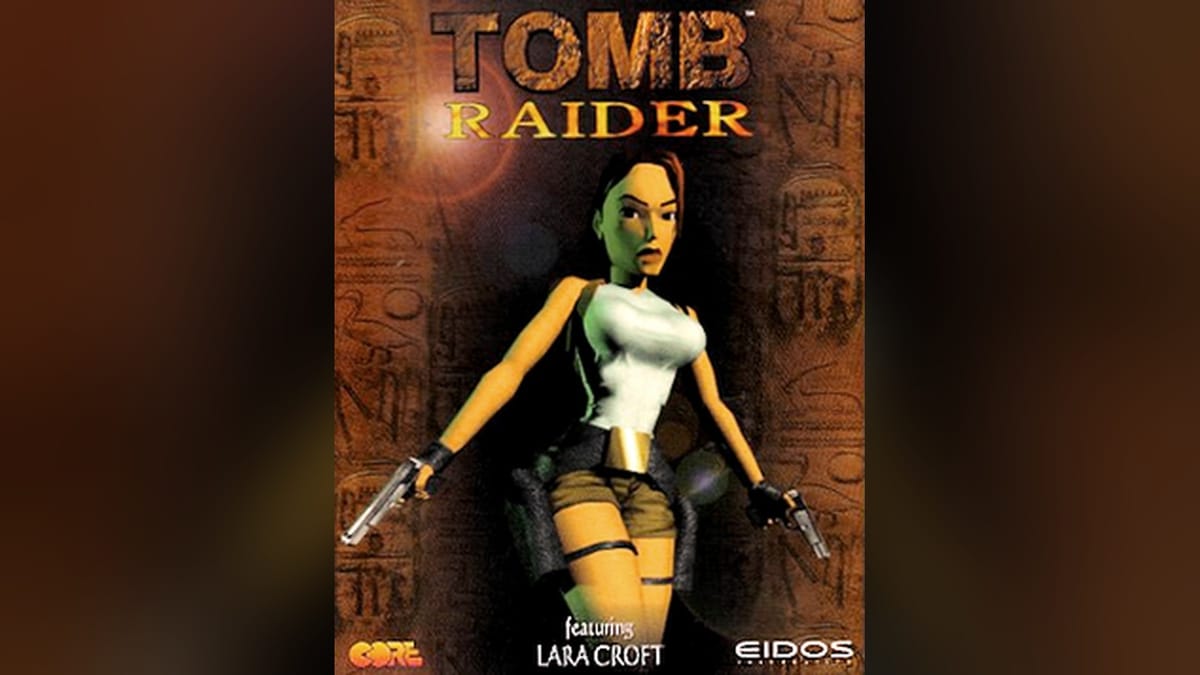
On October 24, 1996, European Sega Saturn owners got their hands on a grid-based 3D adventure game about an archaeologist. The PlayStation and MS-DOS versions of Tomb Raider arrived weeks later. The franchise's massive success on Sony's hardware overshadows it now, but the game actually started its life on Sega's notoriously difficult dual-CPU machine. I had this on PC and my PC was not nearly powerful enough. I wish I had a Voodoo card at that time! It chugged. The software rendering struggled to keep up with the massive cavernous rooms.
Prince of Persia in 3D
The initial concept came from Toby Gard during a 1994 brainstorming session at Derby-based Core Design. Gard and lead programmer Paul Douglas spent six months building the engine and platforming mechanics before expanding the team to six people. They weren't trying to make a shooter. The game is a puzzle-platformer built around a rigid grid system.
In a 1998 interview, Gard cited Prince of Persia as an enormous influence. He wanted a character who moved seamlessly through the environment. The tank controls and grid layout force players to measure distances, line up jumps, and treat the terrain itself as the primary antagonist. The combat is secondary. Lara automatically locks onto targets when her weapons are drawn. This leaves the player free to focus on dodging and positioning. Gard deliberately limited human enemies because he disliked mindless killing in games. He populated the tombs with wolves, bears, and dinosaurs instead.
The £440,000 gamble
Development took 18 months and cost roughly £440,000. Core Design was acquired by CentreGold during production. CentreGold was subsequently bought by Eidos Interactive in early 1996. The timing was perfect for Eidos. The publisher was sitting on a $2.6 million pretax loss, and the massive commercial success of this single release turned that into a $14.5 million profit.
The game code was identical across all three launch platforms. Douglas wrote a specific layer of code to tailor the engine for the Saturn, PC, and PlayStation. The Saturn version is fascinating because Sega's console used quadrilateral polygons instead of the industry-standard triangles. The engine handled the conversion well enough to beat the PlayStation to market in Europe, but it wasn't easy. Sony eventually locked down the franchise with an exclusive console deal starting with the 1997 sequel. This erased the Saturn from the series' future. It's strange to think that the biggest PlayStation mascot of the era debuted on a Sega console.
Four zones of isolation
The level designers, Neal Boyd and Heather Gibson, built the game across four distinct zones: Peru, Greece, Egypt, and Atlantis. They immersed themselves in literature about the Inca Empire and Classical Greece to build the textures and architecture. The resulting levels are massive, lonely, and quiet. There is very little music. Composer Nathan McCree's atmospheric score only triggers during specific moments. You just listen to Lara's footsteps echoing in empty chambers.
The isolation is a huge part of why the game works. You aren't mowing down armies of mercenaries. You're exploring dead spaces that haven't seen a human in centuries. The modern sequels completely lost this thread. They traded quiet exploration for explosive set pieces and endless waves of human enemies. I'm not convinced the shift to pure action was an improvement.
The marketing machine
Lara Croft became a cultural icon and a symbol of the future of gaming. Eidos aggressively marketed her sex appeal. This created immediate friction with the development team. Gard envisioned a cool, collected heroine. He actively refused a request from executives to implement a nude code. Eidos executives in the United States even objected to her original name, Laura Cruz, forcing the change to Lara Croft.
The promotional machine worked, but it alienated the creators. Gard and Douglas left Core Design in 1997 to form Confounding Factor. They walked away from a guaranteed blockbuster sequel to maintain their creative freedom. Core Design continued churning out annual sequels until the franchise collapsed under its own weight with The Angel of Darkness in 2003.
Thirty years later, the original grid-based design still holds up. The tank controls feel stiff by modern standards. They're completely fair once you understand the rules of the grid. The 2024 remastered collection proves that the core platforming mechanics didn't need fixing. They just needed a higher resolution.
Tomb Raider III is available on Humble Bundle for $3.49 (50% off).
Some links in this article are affiliate links. Purchases made through them help support Pants Pants Revolution at no extra cost to you.
Comments ()