
MustardOS 2606.0 Andromeda releases with built-in Bluetooth and netplay
The open-source Linux firmware for budget retro handhelds adds native Bluetooth pairing, Direct Link multiplayer, and a revamped Pickles core player.
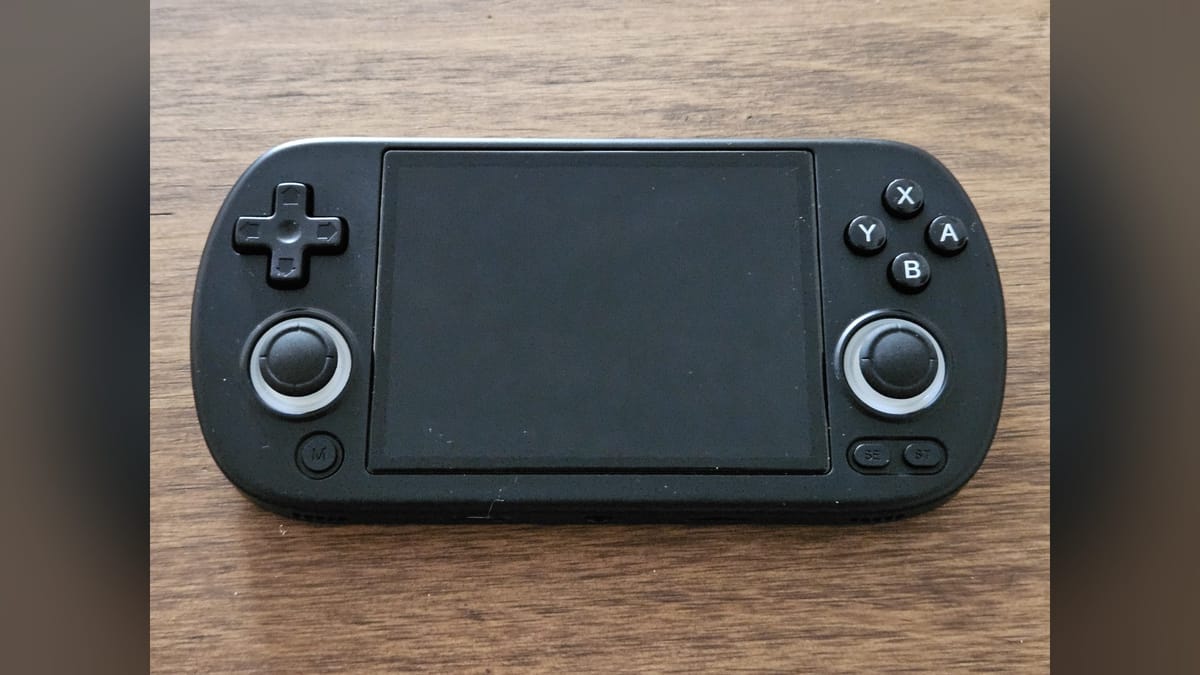
The team behind MustardOS released version 2606.0, codenamed Andromeda, on October 24, bringing built-in Bluetooth management, network proxy support, and major updates to its internal game and media players. First announced back in June 2026 as the successor to the 2601 Jacaranda branch, this stable update packs over a thousand changes across the operating system.
Originally known simply as muOS and led by developer XongleBongle, MustardOS is a GPLv3 open-source Linux firmware built for budget ARM handhelds. It started in early 2024 with the 2403 Origin and 2405 Beans releases, building a following on the strength of fast boot times, clean directory structures, and minimal bloat. Earlier versions required users to hunt down third-party community scripts or add-on apps just to pair a wireless controller or Bluetooth headphones, which made playing an Anbernic handheld on a television over HDMI more of a chore than it needed to be.
Andromeda pulls all of that directly into the main frontend. You can scan for and pair Bluetooth controllers and audio devices from the system menus, switch audio outputs on the fly, and control hardware RGB lighting without dropping into a separate utility. It also adds network proxy configuration and a local Web Dashboard (accessible at http://muos.local on a home network) for managing saves, files, and play history from a browser.
Pickles and Wasabi do the heavy lifting
While MustardOS still includes RetroArch and standalone emulators, much of the work in Andromeda focuses on Pickles, the system's own lightweight Libretro core player. Pickles now supports Network Play, RetroAchievements, cheats, colour filters, overlays, turbo buttons, and per-port controller remapping. It also handles softpatching for .ips, .bps, and .ups files on the fly, and introduces a "Direct Link" mode that lets two compatible handhelds link up over local network adapters or a direct USB-C cable for multiplayer sessions.
I'm curious whether Pickles has enough features at this point to make most people skip RetroArch's labyrinthine menus entirely. Giving players a unified pause menu that matches their active system theme is a much cleaner way to handle quick saves and shader tweaks on a 3.5-inch screen.
Alongside Pickles, Andromeda introduces an integrated media player called Wasabi. Keeping the condiment naming scheme alive (for better or worse), Wasabi runs on a static FFmpeg build alongside specialized backends like Game Music Emu, libsidplayfp, and vgmstream. That means it plays standard video files, live radio or TV streams, and native console chiptunes like Commodore 64 SID tracks through a ten-band equaliser.
18 supported handhelds and unpacked themes
Under the hood, the frontend's font rendering engine was rewritten so theme creators can drop in raw TrueType (.ttf) fonts without converting them first. Themes are also stored as open folders now rather than compressed .muxthm archives. Existing themes have to be extracted manually.
Full system images (build db2a3bd0) are available now for 18 handhelds across four manufacturers. The bulk of the lineup covers Anbernic's Allwinner H700 family, including the RG35XX Plus, RG35XX H, RG35XX SP, RG35XX 2024, RG35XX Pro, RG40XX H, RG40XX V, RG CubeXX, RG28XX H, RG34XX H, RG34XX SP, RG SP, and RG Vita Pro. Outside of Anbernic's catalog, Andromeda also runs on the TrimUI Brick, TrimUI Brick Pro, TrimUI Spoon, BatleXP G350, and GKD Pixel 2.
Because Andromeda overhauls how storage paths and Pickles save data are structured, the developers recommend starting from a fresh setup rather than trying to carry over old system backups from test builds.
Comments ()