
OpenCDi v0.1.8 adds physical CD support and MPEG-1 video fixes
The open-source Philips CD-i emulator now plays real discs from a PC optical drive and fixes FMV cutscenes in Dragon's Lair and Space Ace.
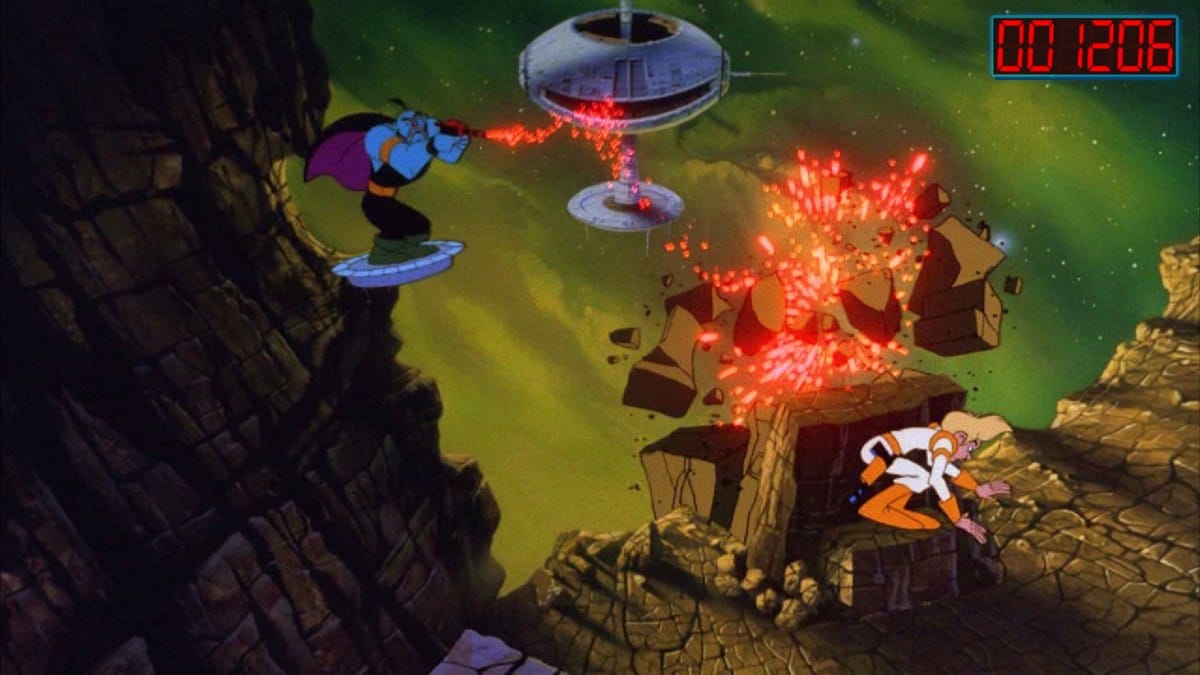
Developer sigsantilio has released OpenCDi v0.1.8, an update to the open-source Philips CD-i emulator that adds direct physical CD-ROM drive support, a recent disc history menu, and low-level accuracy fixes for MPEG-1 video playback. First introduced earlier in 2026 as a modern, Rust-based alternative to older CD-i preservation tools, the Windows emulator continues to chip away at some of the platform's nastiest hardware quirks.
The Philips CD-i launched in December 1991 for around $700, pitched as an all-in-one multimedia and edutainment box before Philips tried to pivot it toward traditional video games. Most people remember it for its licensed Nintendo games, like Hotel Mario, Link: The Faces of Evil, and Zelda: The Wand of Gamelon, though the system's internal architecture is an interesting beast in its own right. It runs on a 15.5 MHz Philips SCC68070 microcontroller paired with custom CDIC sector controllers and dual MCD-212 display processors, a combination that has made accurate emulation a persistent headache for decades.
No more black screens when you die in Space Ace
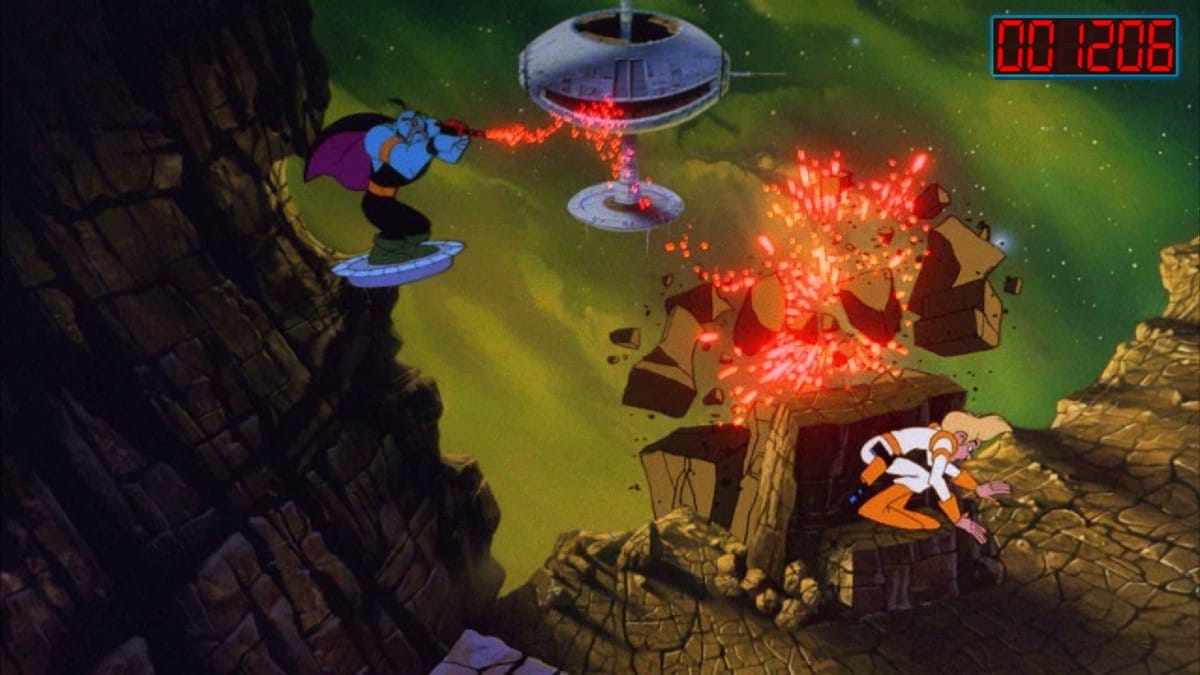
A big focus in version 0.1.8 is the Digital Video Cartridge (DVC), the optional hardware add-on built around a C-Cube CL450 MPEG-1 decoder that the CD-i needed to play full-motion video titles. On real DVC hardware, the system holds the last decoded frame in DRAM until the next picture is ready. Previous builds of OpenCDi suffered from premature black frames and visual blinking at stream boundaries, and the FMV window would sometimes close early during sudden video state changes.
That bug was most obvious during the rapid-fire death cutscenes in Don Bluth's laserdisc arcade ports, Dragon's Lair and Space Ace, which arrived on the CD-i in 1994 and 1993. Considering how often you die in a Don Bluth game, fixing a bug that blanks out the death animations is practically half the experience.
To clean up the video pipeline, sigsantilio implemented simultaneous video draining from both the FMV and FMA demux buffers and guarded host driver registers 0x02 and 0x04 from being overwritten by the CL450 decoder, mapping video sequence geometry to registers 0x52 and 0x54 instead. The update also corrects Display Command Pointer (DCP) register latching on the Philips/Motorola MCD-212 display controller at offsets 0x0A and 0x1A. With those fixes in place, the US release of Space Ace is now verified as fully playable with synchronized CD-audio and ADPCM sound.
The release also includes architectural reverse-engineering documentation and signal trace analysis for ReadySoft's 1995 interactive movie adventure Brain Dead 13, which got a CD-i port in 1996. That game pushes CD-ROM transfer speeds and sector buffering hard to stream its branching cartoon violence, and the developer has documented how its CDIC sector buffer registers (such as DBUF bit 5 at 0x0020) behave under the hood. I'm curious to see how quickly that documentation translates into full playability for Brain Dead 13 in future builds.
Booting real CD-i discs from a PC drive
For collectors who actually own original pressed CD-i software, OpenCDi v0.1.8 now automatically scans for host CD-ROM or DVD-ROM drives on your PC. You can boot retail discs straight from an optical drive without dumping them to .chd, .iso, or .bin/.cue files first, and the emulator supports hot-swapping multi-disc games on the fly without restarting the console.
If you're sticking to disc images, there's a new recent files submenu that tracks your last 10 loaded discs for one-click reloading, alongside a native high-resolution Windows application icon compiled into the executable so it doesn't look like a generic blank program on your taskbar. OpenCDi draws on hardware research and driver reference code from both the MAME development team and the CDi_MiSTer FPGA project.
Comments ()