
SteamOS 3.9 hits the stable channel with Plasma 6.7.3 and Linux 7.2
Valve has moved SteamOS 3.9.5 to the stable channel, updating the Arch Linux base, Linux kernel 7.2, and KDE Plasma 6.7.3 for Desktop Mode.
Valve has promoted SteamOS 3.9.5 to the general stable channel, bringing an updated Arch Linux base, a Linux 7.2 kernel rebase, and KDE Plasma 6.7.3 to all supported devices. The update graduates the cumulative changes tested in preview and beta builds since late August and replaces the long-running SteamOS 3.8 stable branch.
SteamOS started life in 2013 as a Debian-based operating system for first-generation living-room PCs, long before Valve rebuilt the platform for version 3.0 around an immutable Arch Linux filesystem and the custom Gamescope Wayland compositor. That architecture means standard users don't get rolling daily package updates like a normal Arch installation. Instead, Valve holds back core system and desktop upgrades until a major point release is ready for everyone.
Jumping three versions of KDE Plasma
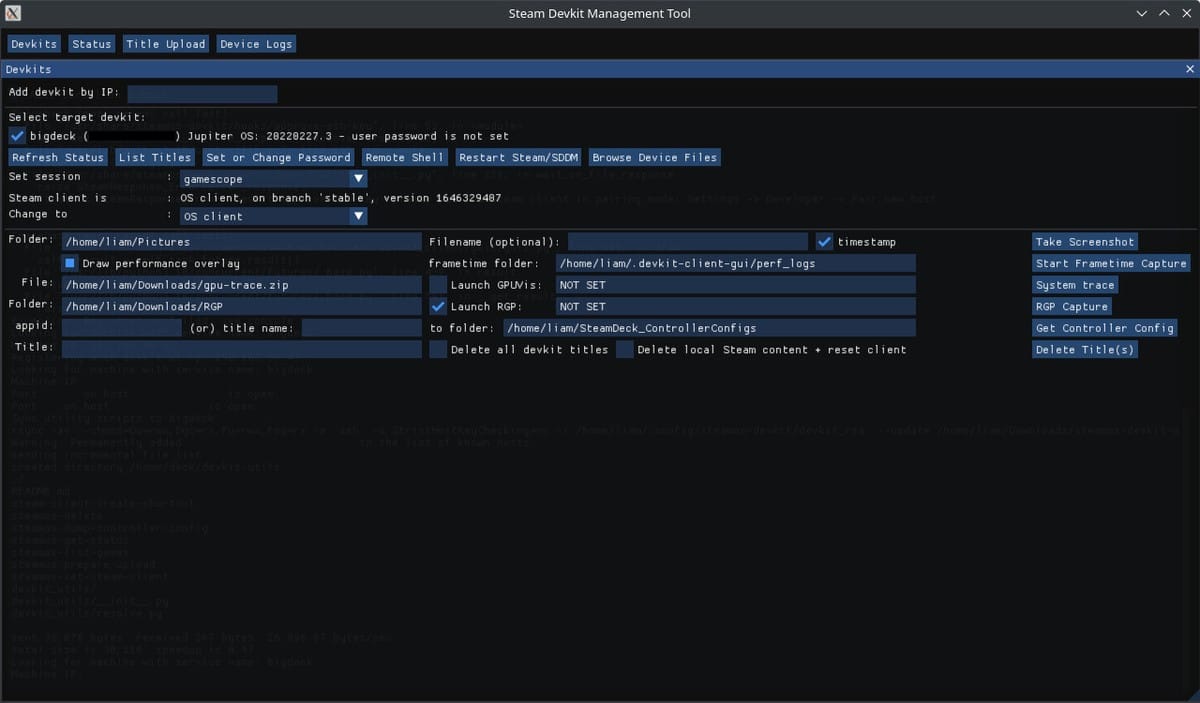
The most visible change in 3.9.5 is in Desktop Mode, which moves from KDE Plasma 6.4.3 up to Plasma 6.7.3. Skipping straight across three feature releases brings months of upstream Wayland refinements, better fractional display scaling, and cleaner multi-monitor handling when a handheld is plugged into a dock. Input responsiveness when switching out of handheld Game Mode is also noticeably steadier.
Valve tweaked a few smaller desktop behaviors alongside the Plasma upgrade. The Desktop Mode lockscreen is no longer blocked from being explicitly enabled in system settings, though it stays off by default so handheld users aren't unexpectedly locked out without a keyboard. Remote Desktop Protocol (RDP) logins with system users also work properly again, and changing the system timezone won't prevent the device from switching into Desktop Mode before a reboot.
Anyone using third-party tweaks like Decky Loader will probably want to check plugin compatibility before hitting the update button.
Linux 7.2, Wi-Fi changes, and third-party hardware
Under the hood, rebasing on Linux kernel 7.2 and refreshing the Arch Linux package repositories lets Valve pull in newer Mesa graphics stack optimizations and broader hardware support. For the Steam Deck LCD and OLED, the update cuts idle power consumption when no audio is playing and reduces 3.5mm audio clicks on sensitive earphones. Valve also switched the default Wi-Fi backend to wpa_supplicant for new installations to improve network compatibility and first-attempt connections to hidden networks, after adding fast sleep-resume reconnection that was previously limited to the iwd backend.
Preliminary kernel and OS support for system hibernation is included in 3.9.5, even if it isn't ready for prime time yet. It isn't exposed in the Game Mode interface, and Valve has temporarily disabled hibernation on Steam Deck hardware due to lingering driver bugs. I'm curious to see whether full hibernation actually makes a difference on handhelds once those driver bugs are ironed out, given how reliable standard suspend-to-RAM already is on the Deck.
Much of the remaining changelog targets Valve's wider hardware ecosystem and third-party devices running SteamOS:
- Improved support for the Steam Frame wireless adapter, plus a fix for the frame limiter improperly throttling VR games when streaming from a Steam Machine to a Steam Frame.
- Fixes for Steam Machine firmware updates occasionally failing to apply, Remote Play failing when booting without a connected display, and performance drops in Star Wars: Galactic Racer upon waking from sleep.
- A crash fix for Forza Horizon 6 on the Lenovo Legion Go 2, alongside preliminary brightness control support for the handheld.
- Fixes for Elden Ring and Dark Souls III failing to launch on recent Intel Panther Lake CPUs, plus workarounds for excessive wake-to-sleep fan speeds on certain ASUS devices.
The update also revokes compromised eMudhra certificate authority keys and patches a regression where dragging a game launcher window in Game Mode caused a loss of input.



Comments ()