
spruceOS v4.5.6 adds five handhelds, new cores, and an NES demo
The open-source handheld firmware adds support for five more portables, PICO-8 save states, Casio Loopy emulation, and an indie NES demo.
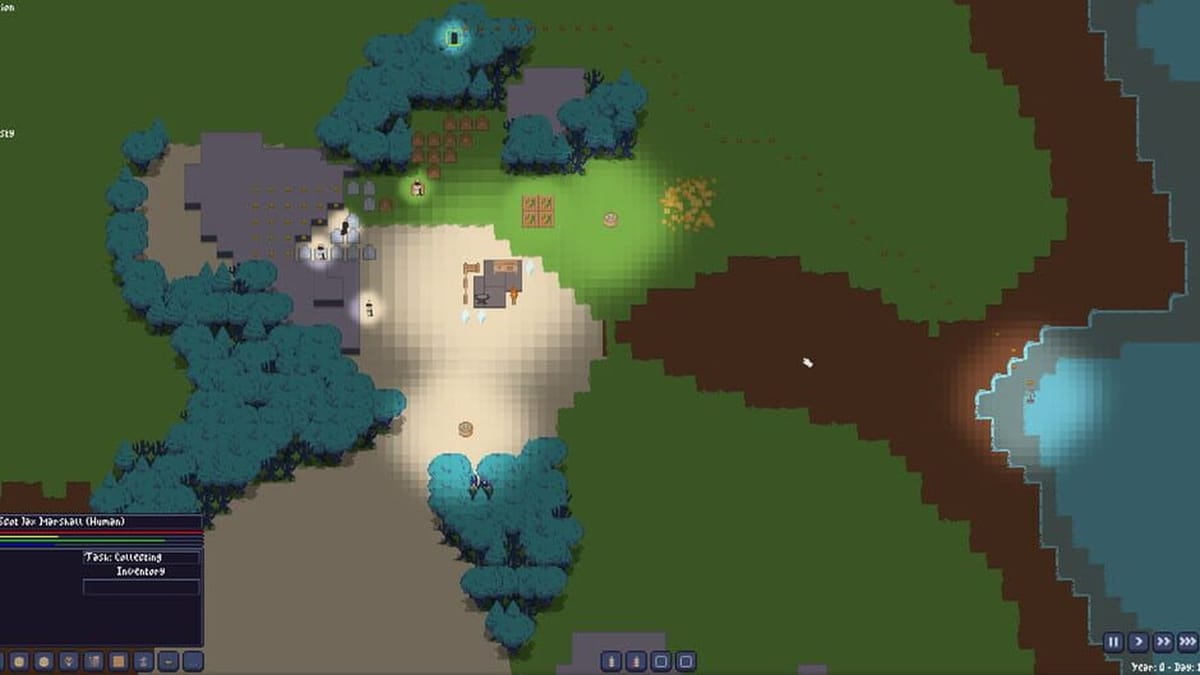
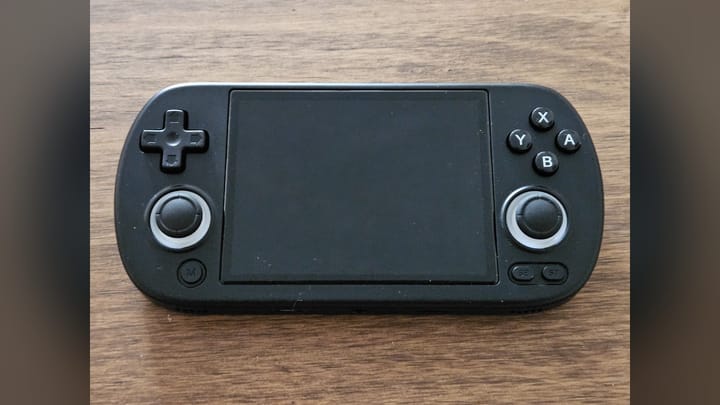
The open-source spruceOS custom firmware project has released version 4.5.6, adding support for five more budget handhelds, new emulator cores for the Casio Loopy and Sega Saturn, and a bundled demo for Seaside Studios' indie NES game Squatch Quest.
Originally built in 2024 as a lightweight community replacement for the sluggish stock software on the Miyoo A30, spruceOS has grown into a unified Linux front-end built around a Python interface called PyUI. It automates RetroArch configurations, CPU clock scaling, and box-art scraping so users don't have to spend hours digging through nested menus. Instead of locking a setup to a single machine, it lets players swap one microSD card across supported Miyoo, TrimUI, Anbernic, Powkiddy, and MagicX portables.
With v4.5.6, the compatibility list expands to include the Powkiddy V10, G350, MagicX XU Mini M, A10 Mini (v1 to v4), and MagicX XU20 V32, while an experimental build for the Anbernic RG353M is now in testing. Those join an existing roster that covers the Miyoo Mini, Miyoo Mini Plus, Miyoo A30, Miyoo Flip, Miyoo Mini Flip, TrimUI Smart Pro, Smart Pro S, Brick, Brick Pro, Anbernic H700-based RG XX devices, Powkiddy RGB30 and RGB20SX, Miniloong Pocket 1, and the MagicX Zero 28 and Zero 40. Single-card Miyoo and TrimUI devices boot straight from the primary card, whereas two-slot systems from Anbernic, Powkiddy, and MagicX pair a base image (BaseOS, dArkMoss, or oakMoss) in the first slot with a swappable spruceOS card in the second.
Casio Loopy emulation and a 60fps menu overhaul
On the emulation side, v4.5.6 adds the Gloopy core to emulate the Casio Loopy, a 32-bit console released only in Japan in 1995 that marketed itself to young girls and included a built-in thermal sticker printer. It is doubtful anyone bought a $40 pocket handheld expecting to play Anime Land or Wanwan Aijou Monogatari on the bus, minus the physical sticker dispenser, yet having a working core for one of the rarest fifth-generation consoles is a neat bonus for hardware history nerds.
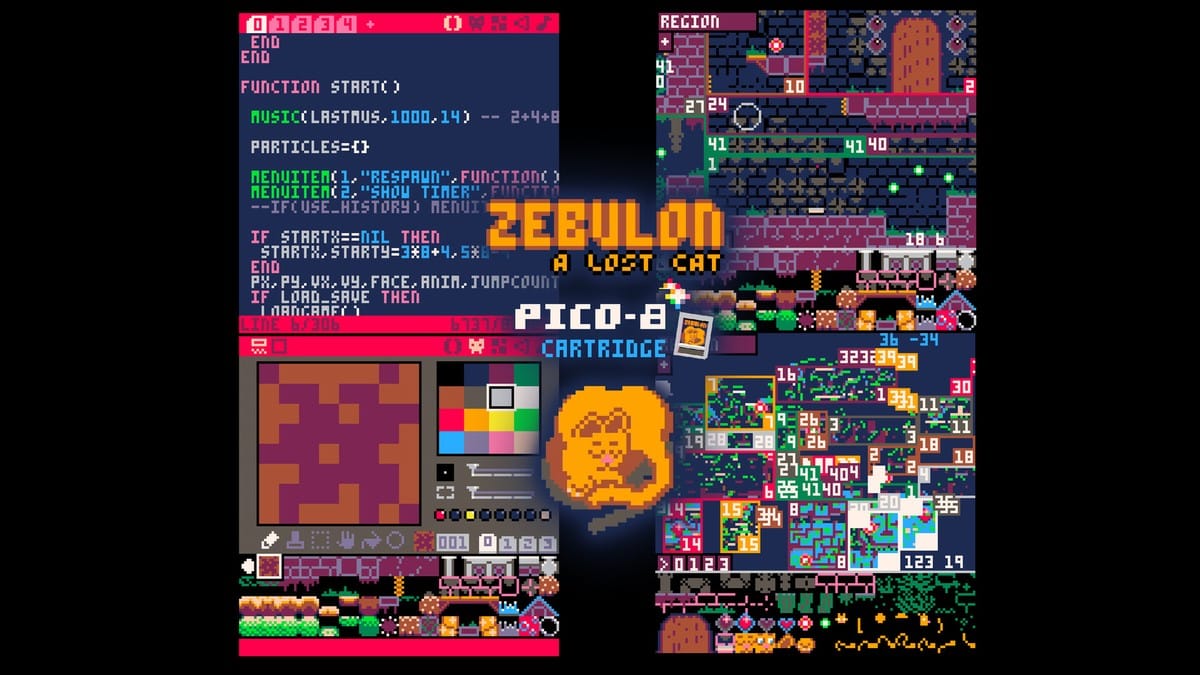
More practical additions include a new armGBA core for Game Boy Advance and the yabadabadoo Sega Saturn core for the Miyoo A30, Miyoo Minis, and 32-bit RetroArch builds on the Miyoo Flip, Anbernic XX, and dArkMoss devices. I'm curious to see how many 3D Saturn games are actually playable on the Miyoo A30's modest Allwinner A33 chip, though 2D titles should fare much better. Native PICO-8 also gets an upgrade: Lexaloffle's 8-bit fantasy console (famous for birthing the original version of Celeste) now integrates the standard spruce in-game menu and cross-device save states. Meanwhile, the PyUI interface now runs at a steady 60fps with faster text rendering, cutting boot times on the Miyoo Mini by about four seconds and expanding the recent games list to 1,000 entries.
Catching up on the 4.5 release wave
This update caps off a busy October for the development team. Earlier in the month, spruceOS v4.5.0 brought stable support to the Powkiddy RGB30, RGB20SX, and Miniloong Pocket 1 alongside a major feature addition: offline RetroAchievements. That mode caches achievement data locally so you can earn badges away from Wi-Fi and sync them later, alongside customizable RGB LED controls and USB storage mode. Following a quick bug-fix patch in v4.5.2, the team released v4.5.4 on October 10, introducing the dedicated Cheevos app for browsing achievement progress on the handheld, USB audio headset support, and initial test builds for the MagicX Zero 28 and Zero 40.
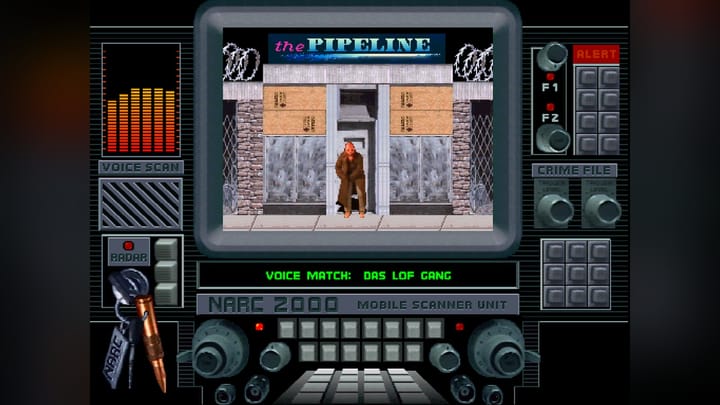
Version 4.5.6 builds on those recent updates by bumping the Cheevos app to v0.3.0, adding an Accent Color app to recolor supported themes, and fixing a remarkably specific bug where RetroArch configurations broke if a user's RetroAchievements password contained an ampersand. (Somewhere out there, a very security-conscious retro enthusiast is breathing a sigh of relief.) It also packs in the playable NES demo for Squatch Quest after project lead SundownerSport met the developer at the 2026 Portland Retro Game Expo.
"I met him at the Portland Retro Game Expo this year and was super impressed with the game, his general vibe and honestly I just love all things SQUATCH!" SundownerSport wrote in the release notes.
Comments ()