
Theos: Cities of Myth just got its first gameplay overview
Triskell Interactive has released a detailed look at the resource chains and walker paths in its upcoming ancient Greek city builder.
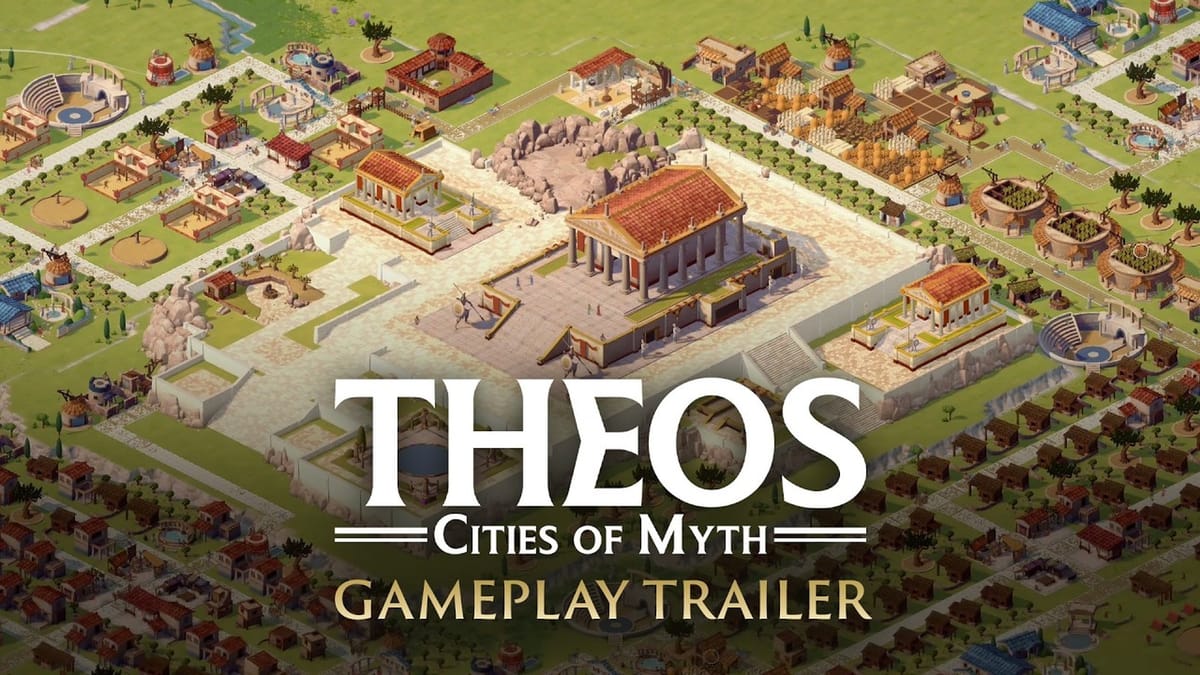
Publisher Dotemu and developer Triskell Interactive have released the first gameplay overview trailer for Theos: Cities of Myth. The ancient Greek city builder was originally announced in June. Now we have a detailed look at how its economy and divine favor systems actually work in practice.
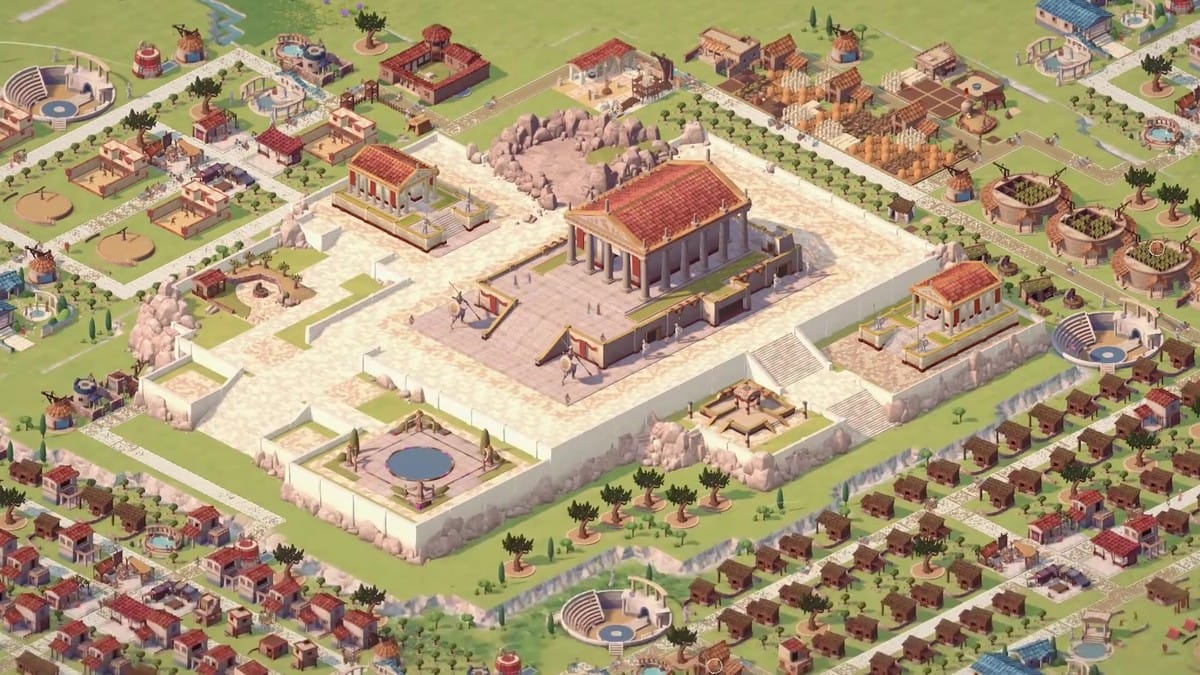
Triskell Interactive previously developed Pharaoh: A New Era. They are leaning heavily on that classic isometric city-building foundation here. You dedicate your polis to one of seven Olympian gods, and each deity provides specific perks alongside unique buildings that alter how you plan your districts. Athens is the primary example here. Players start by placing a central sanctuary before expanding outward into basic housing and barley fields.
Fixing the walker problem
The biggest addition is customizable walker paths. Classic city builders often suffer from unpredictable service workers who wander aimlessly instead of delivering food. Theos lets you manually edit and duplicate the routes for grocers, firefighters, and maintenance workers. It's a massive quality-of-life upgrade. I'm genuinely relieved to see it included. Nobody wants their entire residential district to burn down just because a single water carrier decided to take a wrong turn at the agora and wander into the wilderness.
Production and philosophy
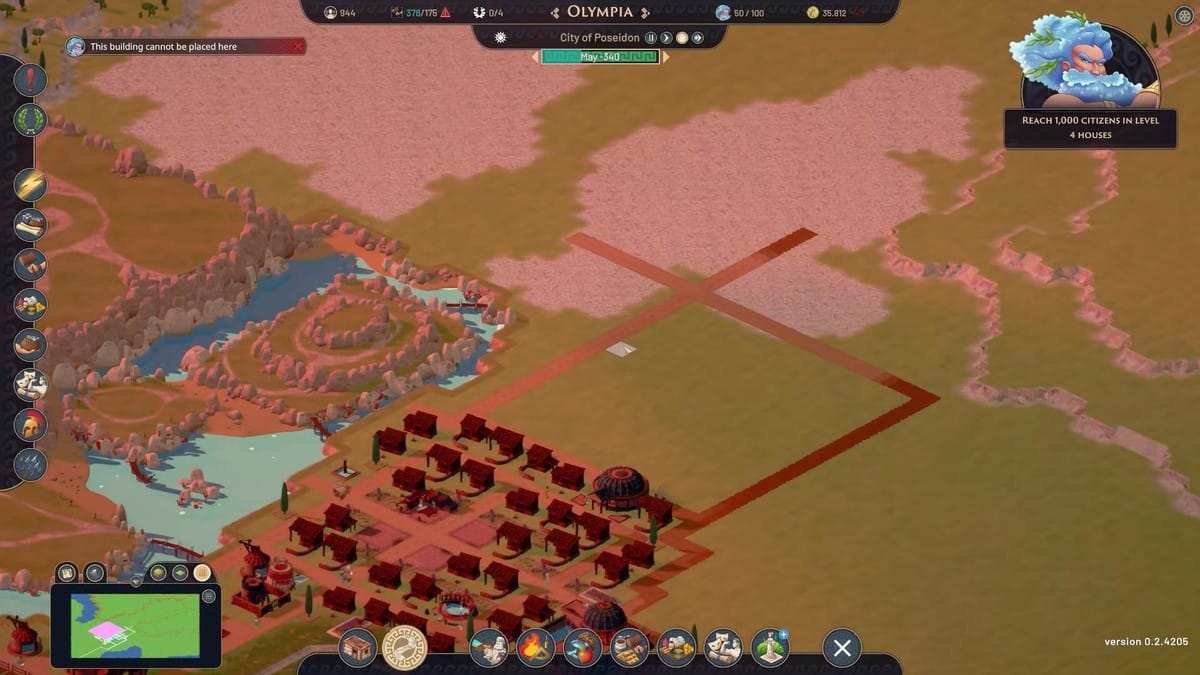
As the city grows, the production chains get complicated. You'll need to extract marble from a quarry, cut it into blocks at a workshop, and then refine some of those blocks into statues for the gods. Other pipelines include turning olives into oil and iron into steel. You can also build philosophy schools. Assigning famous thinkers like Socrates or Aristotle to a podium provides city-wide bonuses.
Outside the city walls
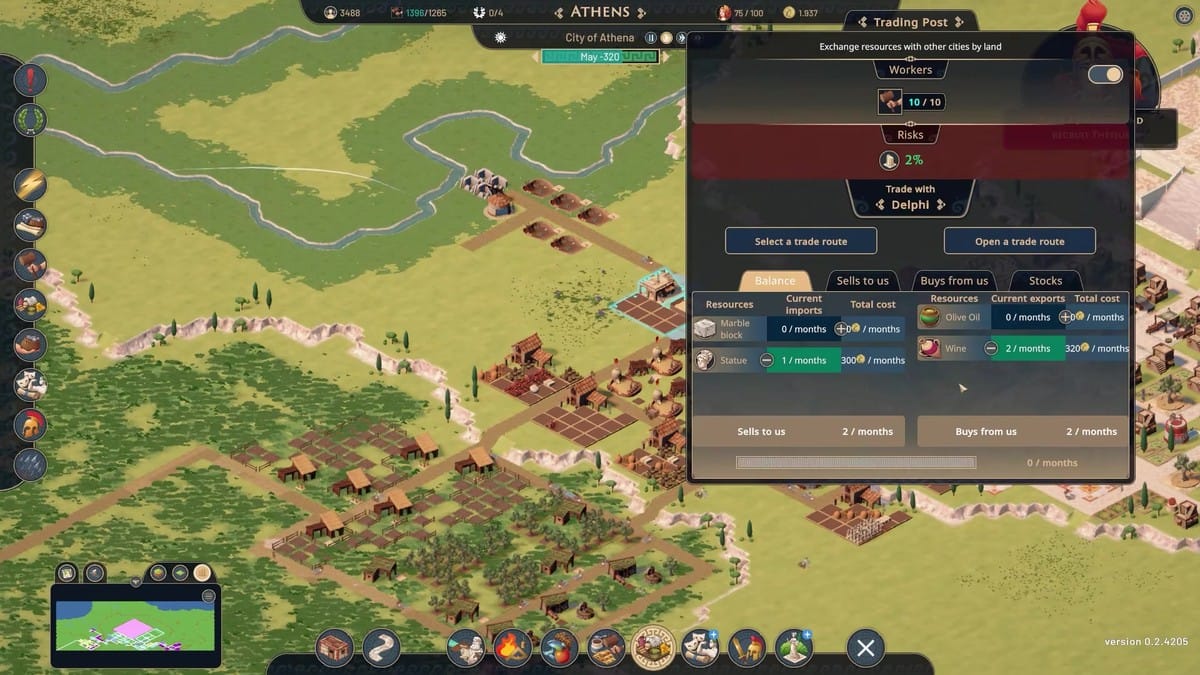
The game extends beyond a single settlement. A world map lets you establish trade routes with neighboring city-states like Sparta and Troy. You can import missing resources or export your surplus goods. Diplomacy is an option if you want to play peacefully, but you can also intimidate rivals into paying tribute or just send your armies to invade them directly. Combat plays out on a tactical grid.
The game is currently available to wishlist on Steam. I want to see how deep the military mechanics go, but the economic foundation already looks solid.



Comments ()