
Technos Japan's classic beach volleyball game V'BALL hits modern consoles this week
Hamster is bringing the 1988 arcade sports title to Switch, PlayStation, and Xbox across two different digital versions.
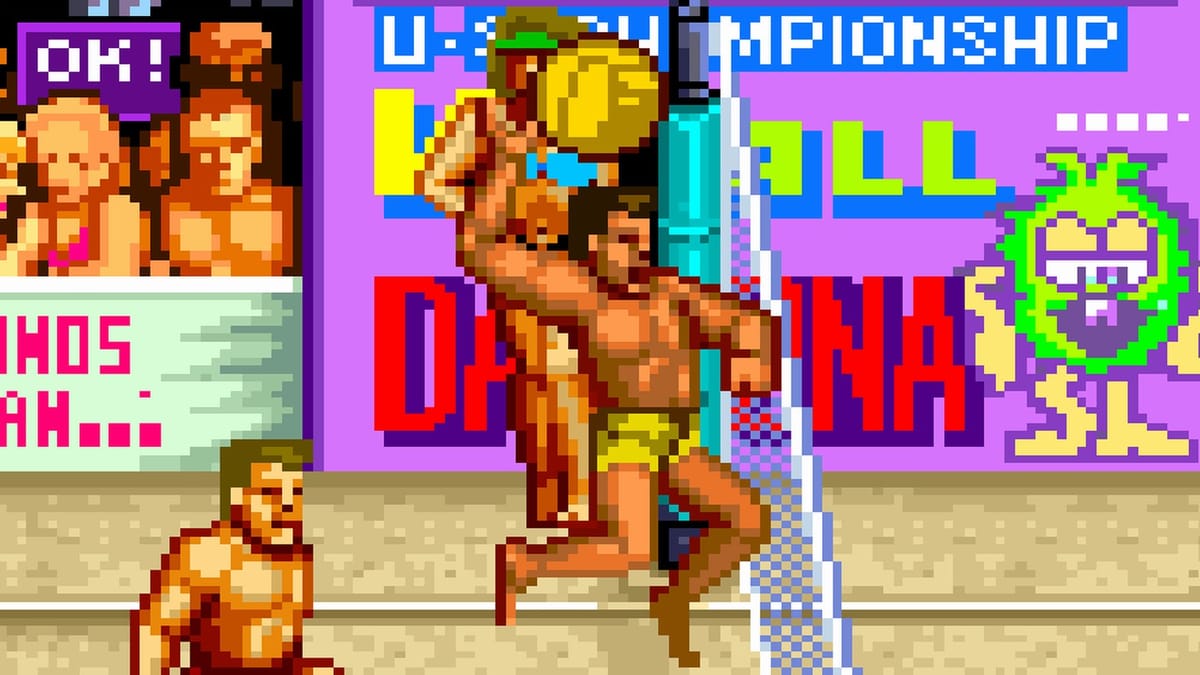
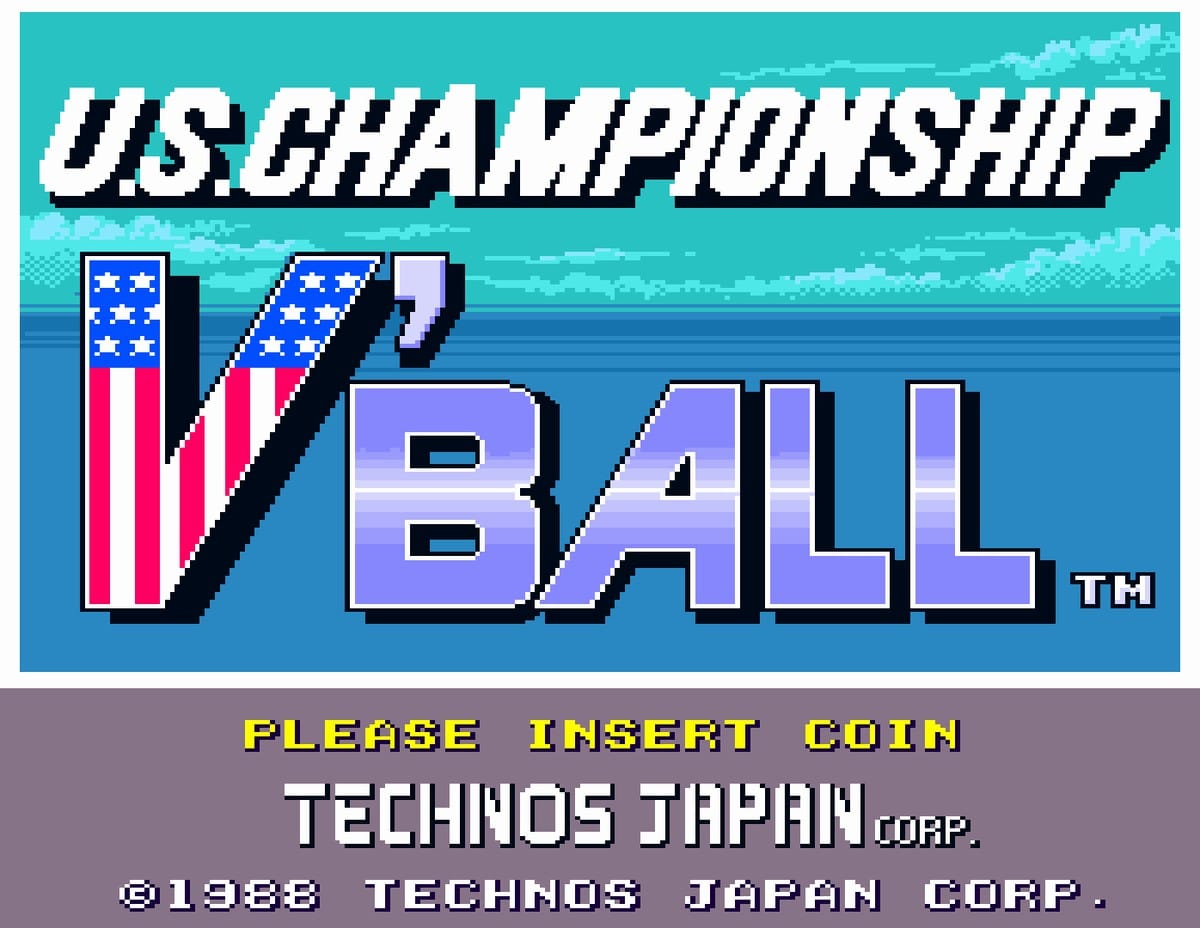
Hamster Corporation is releasing Technos Japan's 1988 arcade sports game V'BALL across two different digital tiers on August 13. The standard Arcade Archives V'BALL is coming to the Nintendo Switch and PlayStation 4, while the enhanced Arcade Archives 2 V'BALL launches simultaneously for the PlayStation 5, Xbox Series X|S, and Nintendo Switch 2.
According to the official announcement from Hamster, the base version will cost $7.99. The current-gen Arcade Archives 2 release bumps the price to $9.99, justifying the extra two dollars with Variable Refresh Rate (VRR) support and a new Time Attack Mode.
Technos Japan's sports titles are fascinating because they carry the exact same aggressive energy as their beat 'em ups. The studio is best known for Double Dragon and River City Ransom, but their approach to sports was just as punchy. V'BALL originally hit Japanese arcades in August 1988 before making its way to Western cabinets under the title U.S. Championship V'Ball.
Two guys and a cash prize
The premise is incredibly straightforward. You control George and Michael, two beach bums who enter a nationwide beach volleyball tournament to win a $2.5 million cash prize. The original arcade cabinet supported up to four players simultaneously in North America, making it a loud, crowded multiplayer staple if you could actually find a machine.
The gameplay relies heavily on timing your jumps and spikes. The controls are simple but require precision, a hallmark of Technos arcade design. You have a button for receiving and a button for spiking, and the strategy comes from setting up your AI or human partner for a massive, unblockable shot at the net.
Most players probably know the game from its home console port. Technos brought it to the Nintendo Entertainment System in February 1990 as Super Spike V'Ball. The arcade original holds up much better visually, but the NES cartridge is the version that actually made it into most living rooms.
The Arcade Archives release uses the original 1988 arcade ROM. It includes the standard Hamster emulation wrapper, which means you get online leaderboards, quick save states, and customizable dip-switch settings to adjust the difficulty.
The current-gen split
Hamster's decision to split releases into two distinct product lines started in mid-2025. The Arcade Archives 2 label is strictly for current-generation hardware. If you buy the $9.99 version on a PS5 or Switch 2, the VRR support smooths out the scrolling and motion, which is genuinely useful for a fast-paced sports game where tracking the ball is the entire mechanical loop.
The addition of VRR is a big deal for emulation accuracy. Older arcade monitors ran at very specific, non-standard refresh rates. When you force a 57.5Hz arcade game into a standard 60Hz modern display, you get stuttering. VRR allows the modern console to match the original arcade board's exact refresh rate, eliminating those micro-stutters completely. This technical approach is worth appreciating, even if it costs a couple of extra bucks.
Arc System Works currently owns the defunct Technos Japan intellectual property catalog. They have been fairly liberal about licensing it out, which is how Hamster keeps pulling these late-eighties releases back onto modern storefronts. When Arcade Archives finally got to Mr. Do!, the publisher showed it was willing to dig deep into arcade history rather than just recycling the same ten fighting games.
It remains to be seen if the online leaderboards for the Time Attack Mode actually gain any traction. Beach volleyball is a niche genre to begin with, and splitting the player base across two different versions of the same game might make the high score tables a little sparse at launch.
Comments ()