
Suda51's PS1 horror game Moonlight Syndrome now has an English patch
Nearly 30 years after its 1997 Japanese PlayStation release, Goichi Suda's psychological horror game Moonlight Syndrome is playable in English.
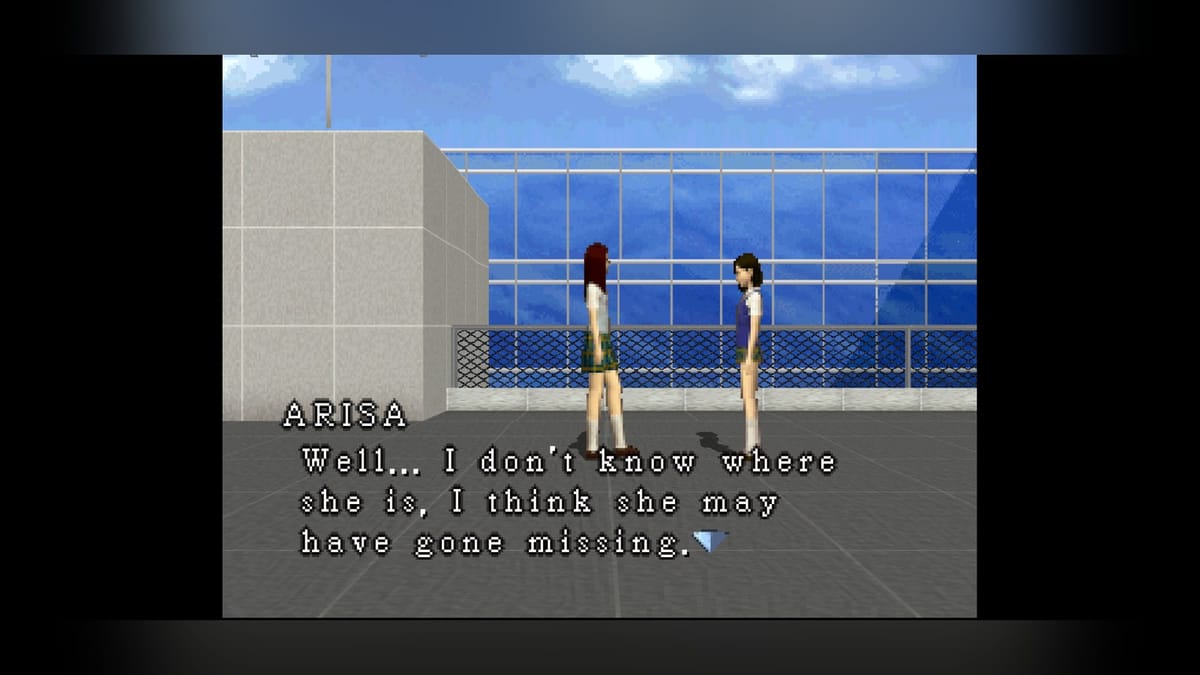
Goichi Suda's 1997 PlayStation psychological horror adventure Moonlight Syndrome is playable in English for the first time thanks to a complete version 1.0 fan translation patch from project director Quessada House. Distributed for free via Romhack Plaza, the release translates both discs and all ten chapters of the game.
For nearly three decades, experiencing this missing link in Suda51's catalog meant either learning Japanese or watching translated walkthroughs on YouTube. Now, players can actually make the dialogue choices themselves rather than passively watching someone else navigate Mika Kishii's deteriorating reality.
Both discs and all ten chapters
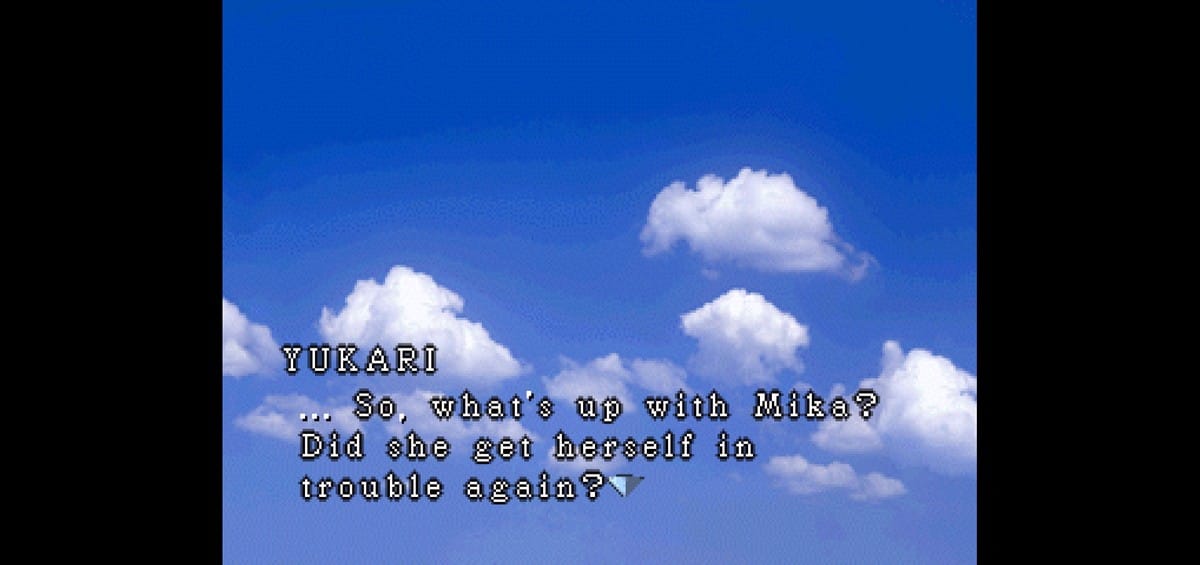
The patch covers the entire narrative, running from the Prologue through Mowdei, Sowguw, Henshitsu, Henlin, Fuyou, Denpow, Kaibyo, Dowaku, and the Epilogue. In addition to the main script and branching choices, the release adds speaker labels, translated save prompts, clearer chapter selection menus, and timed captions for supported voice-only scenes, including the ending song. The original Japanese voice acting remains intact.
"I started this project because I wanted to experience the game myself," Quessada House explained in the release notes, adding that they played and approved routes through all ten chapters to check text readability and subtitle timing.
Rather than translating the massive script from scratch, Quessada House built the playable adaptation using an existing human subtitle translation by Jolovey (which itself drew from an earlier draft by Izzeybee, presented by the YouTube channel Paradise Hotel 51). According to the project's disclosure notes, AI-assisted tools were used for reverse engineering, programming, Japanese speech recognition, fitting text within the PlayStation hardware limits, and translating optional dialogue branches missing from the video reference script. I'm usually skeptical when machine tools touch a writer as eccentric as Suda, though anchoring the main routes to an established human translation makes a lot of sense here.
Why Suda left Human Entertainment
Originally released in Japan on October 9, 1997, by Human Entertainment, Moonlight Syndrome began as a spin-off to the studio's Twilight Syndrome series. Those 1996 PlayStation games (Tansaku-hen and Kyuumai-hen) paired side-scrolling exploration with visual novel storytelling and 3D binaural audio, following high school girls investigating standard campus ghost stories.
Suda, who had previously directed Super Fire Pro Wrestling Special and worked on the earlier Twilight entries, took over as writer and director for Moonlight Syndrome. Bored with traditional paranormal stories, he steered the plot away from ghosts and directly into psychological decay, urban isolation, and human malice.
It was Suda's final game at Human Entertainment. Frustrated by corporate structure and low pay, he left in 1998 to found Grasshopper Manufacture, while Human Entertainment went bankrupt in early 2000. Because the publisher folded and the game was so text-heavy, Moonlight Syndrome never got an official Western release, and its characters and themes became the direct foundation for Grasshopper's debut, 1999's The Silver Case, along with 2001's Flower, Sun, and Rain and the wider "Kill the Past" series. (The Silver Case and Flower, Sun, and Rain eventually received official English ports, leaving Moonlight Syndrome as the stubborn holdout.)
What's still being ironed out
While the main paths through all ten chapters have been playtested on the DuckStation emulator for Windows, Quessada House is treating v1.0 as a release that still welcomes human spot-checks. Some decorative Japanese graphics and a handful of uncertain voice fragments remain untouched, and optional dialogue branches haven't all received an independent Japanese-language review yet. Compatibility with original PlayStation hardware or other emulators also isn't certified, so players digging into obscure alternate routes might still bump into rough edges.

Comments ()