
Running HBMAME and regular MAME on macOS through RetroArch
Mac users can now run the HBMAME arcade homebrew fork and mainline MAME side by side inside RetroArch on Apple Silicon.
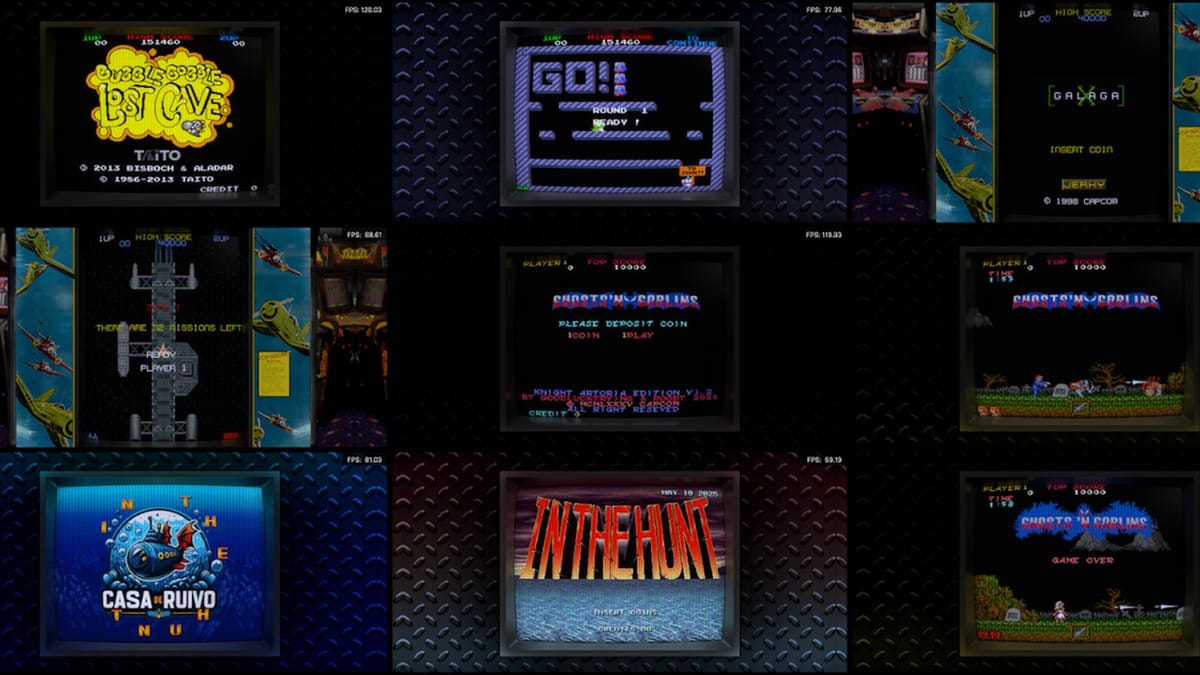
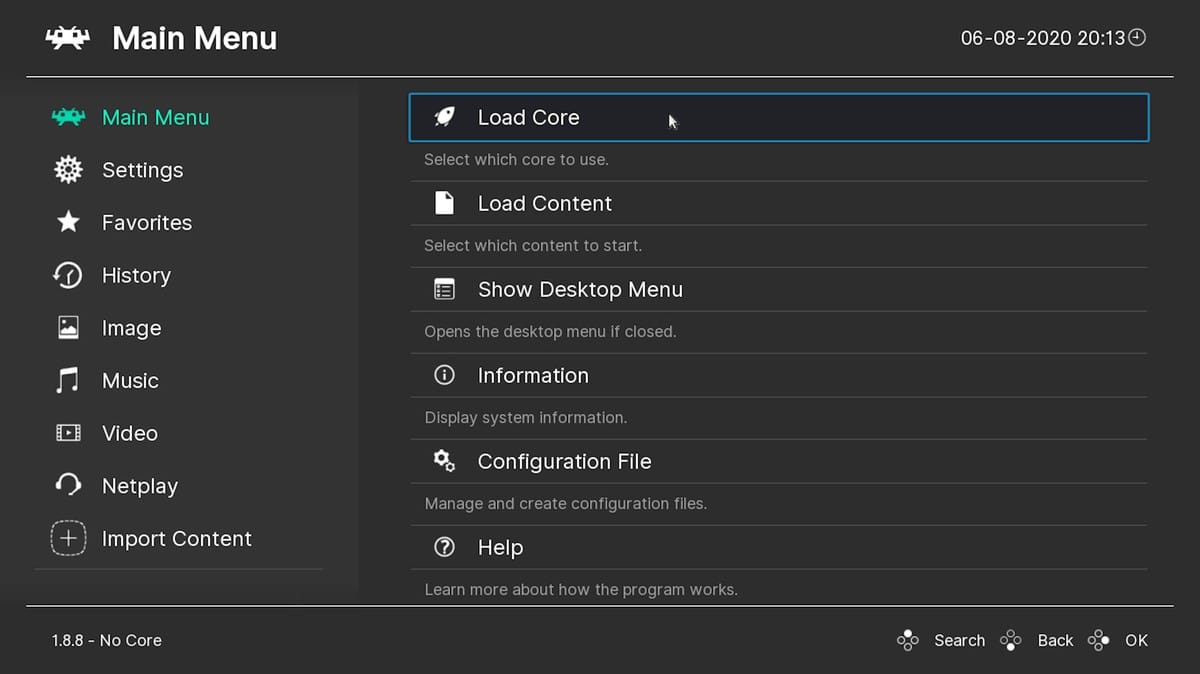
Arcade homebrew emulator HBMAME is now up and running alongside mainline MAME on macOS through RetroArch's Libretro core system, as detailed by MAME on Modern Macs. The core itself isn't a new invention: upstream Libretro modules for both emulators have been available on Windows and Linux for years, while RetroArch's macOS builds steadily gained Metal graphics support. Having both cores work cleanly inside a single Mac frontend finally spares Apple hardware owners from compiling niche emulator forks by hand.
Mac users have usually been treated as an afterthought in arcade emulation. Between Apple's lack of DirectX support and its hardware jumps from PowerPC to Intel x86 (and then to Apple Silicon ARM chips in late 2020), keeping obscure MAME derivatives alive on a MacBook meant wrestling with command-line flags, MacPorts, or aging standalone builds like SDLMAME. Pulling HBMAME and mainline MAME under one roof with shared controller mappings and CRT shaders is a welcome relief, even if RetroArch's nested menus still feel like they were designed to test human patience.
Why mainline MAME turns away ROM hacks
To understand why HBMAME exists at all, you have to look at how strict the mainline project is. When Nicola Salmoria started the Multiple Arcade Machine Emulator in February 1997, the goal was documenting and preserving commercial arcade hardware exactly as it left the factory. Over the last three decades, the MAMEDev team has kept a rigid boundary between historical hardware documentation and community modifications.
If a game wasn't sold on a physical circuit board or distributed in actual arcades, mainline MAME generally doesn't want it in the build tree. Allowing thousands of modern fan hacks would bloat the source code and muddy the project's archival mission.
That policy makes plenty of sense for museum-grade accuracy, though it leaves out a massive, weird side of arcade culture. Developer Robbbert and a small group of collaborators stepped in around 2000 to maintain HBMAME (Homebrew MAME, formerly known as MisfitMAME) as a dedicated companion fork. It skips the standard commercial library to catalog more than 8,500 ROM hacks, fan translations, custom level packs, and newly coded homebrew games built for vintage arcade chips.
8,500 hacks on Apple Silicon
The library covers everything from speed-hacked Pac-Man and Galaxian variants to custom Donkey Kong remix stages and new Neo Geo homebrew. It also preserves notorious bootlegs and tournament modifications for Capcom's CPS1 and CPS2 boards, like the chaotic Street Fighter II: Rainbow Edition, where characters throw fireballs in mid-air and teleport across the screen. Mainline MAME keeps a few historically old bootlegs that ran on physical arcade PCBs in the 1990s, but HBMAME catches all the software-only patches and modern experiments created since then.
Running both cores through RetroArch on macOS means players don't have to maintain two separate standalone setups alongside SDL3 frameworks just to switch between factory-original Donkey Kong and a custom level hack. Both emulators remain completely free and open-source across Windows, Linux, and macOS. What I'm still curious about is how closely the Libretro HBMAME build tracks Robbbert's standalone Windows releases, since Libretro arcade cores have a habit of lagging a few versions behind upstream code.
Comments ()