
HakuX 1.2.0 brings playable Halo and Forza to Android handhelds
The 1.2.0 update to the hakuX original Xbox emulator adds System Link multiplayer, game fixes, and smooth 30 FPS performance on Android handhelds.
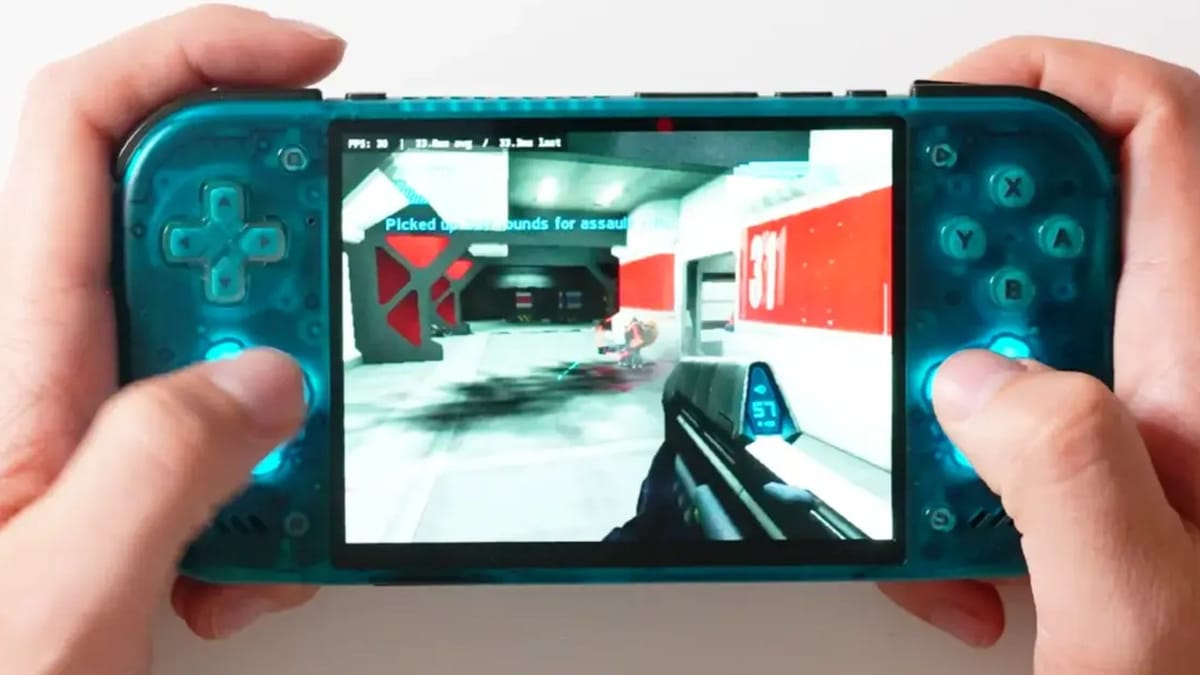
Developer rfandango has released version 1.2.0 of hakuX, an open-source original Xbox emulator for 64-bit Android devices that runs heavyweights like Halo: Combat Evolved, Forza Motorsport, Fable, and Jet Set Radio Future at playable speeds on handheld hardware. The October 27 update follows a rapid string of patches that rebuilt the emulator's core architecture from scratch.
While sixth-generation contemporaries like the PlayStation 2 and GameCube have been well served on mobile by AetherSX2 and Dolphin, Microsoft's 2001 console remained a stubborn outlier. Its hybrid PC architecture, combining a custom 733 MHz Intel Pentium III CPU with an Nvidia NV2A graphics processor, proved brutal to translate efficiently onto mobile Arm chipsets without massive overhead. Earlier Android efforts, such as the unofficial xemu port X1 BOX that surfaced in March 2026, struggled to hold 30 frames per second and failed to boot on many popular handhelds.
Ditching QEMU for FEX
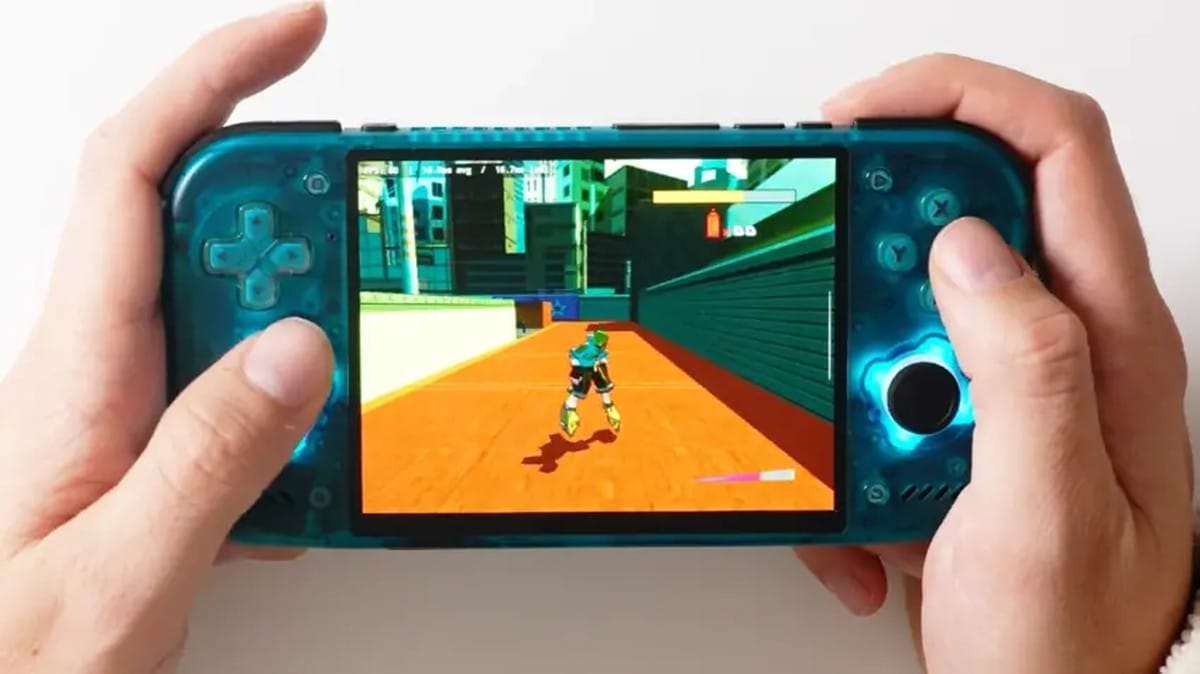
HakuX originally started as a fork of that early X1 BOX lineage, sharing the same sluggish QEMU-based foundation. That changed on October 23 with the release of version 1.0.0, which threw out the old core entirely. The developer replaced QEMU with a customized fork of FEX to translate x86 CPU instructions directly to Arm, paired with a native Xbox kernel implementation and a Vulkan rendering backend for the console's NV2A GPU.
The architectural overhaul paid off quickly. On the Retroid Pocket 5, which runs on a Qualcomm Snapdragon chip with Adreno 640 graphics, the developer reports that most tested games now reach their original frame rate caps at 2x native resolution. The app also includes optional 60 and 120 FPS patches for 13 supported titles, provided your device has the thermal headroom to push them. Qualcomm Adreno GPUs remain the primary development target, though version 1.1.0 arrived on October 24 with experimental support for Mali, Xclipse, and PowerVR graphics alongside a compatibility layer for older Vulkan 1.1 drivers.
Testing by Retro Dodo on the Retroid Pocket Duo and Pocket Nova, as reported by VideoCardz, found that roughly 80% of the games sampled ran well. Both Bungie's 2001 launch shooter Halo: Combat Evolved and Smilebit's 2002 cel-shaded skating sequel Jet Set Radio Future held 30 FPS or higher. The developer has separately reported playable performance in Turn 10's 2005 racer Forza Motorsport, Ninja Gaiden Black, and Project Gotham Racing 2.
It isn't entirely plug-and-play yet. Halo 2 and Fable initially displayed heavy graphical artifacts during testing until custom Turnip graphics drivers were installed. Having to hunt down third-party GPU drivers on GitHub is practically a rite of passage for Android handheld owners at this point, though it's a small price to pay for portable Albion.
System Link over Wi-Fi and 1.2.0 fixes
Beyond raw frame rates, version 1.2.0 lowers CPU wait times when using Turnip drivers to reduce stuttering and restores one of the original Xbox's best hardware features: local multiplayer. Two or more handhelds running hakuX on the same Wi-Fi network can now detect each other over standard LAN System Link, and the update integrates support for XLink Kai to route System Link matches over the internet. Each virtual console generates its own unique serial number and network address so copied setups don't collide on a local network. I'm curious to see how well Wi-Fi packet timing holds up in a four-player Halo match compared to running actual Ethernet cables across a living room floor.
The 1.2.0 patch also cleans up a long list of game-specific bugs:
- Doom 3: No longer crashes when loading the main menu.
- Silent Hill 2: Fixes a crash triggered when loading into rooms.
- Grand Theft Auto III: Bypasses a false dirty-disc error screen.
- Sega GT 2002: Restores missing car paint, reflections, and sun highlights.
- Project Gotham Racing 2: Fixes a black screen during attract mode replays.
- Splinter Cell: Double Agent & Ultimate Spider-Man: Resolves immediate crashes on boot.
- Fatal Frame II, Super Monkey Ball Deluxe, and AirForce Delta Storm: Fixes disc-read ordering, blacked-out FMV cutscenes, and unresponsive controller inputs.
On the usability side, the app handles automatic library scanning, per-game controller mapping, resolution scaling, and save states with ten slots per title. While VideoCardz notes that users must supply their own Xbox firmware files and hard disk image alongside compatible ISO or XISO game backups, the project's native kernel rewrite has eliminated the traditional BIOS, MCPX ROM, and hard disk setup requirements on the official release page, leaving your game discs as the only files you need to bring yourself.
Comments ()