
Fighting Street MD brings the 1987 Street Fighter to Sega Genesis
Indie developer io8066 has released Fighting Street MD on itch.io, a free homebrew port of the original 1987 Street Fighter built for the Sega Genesis.
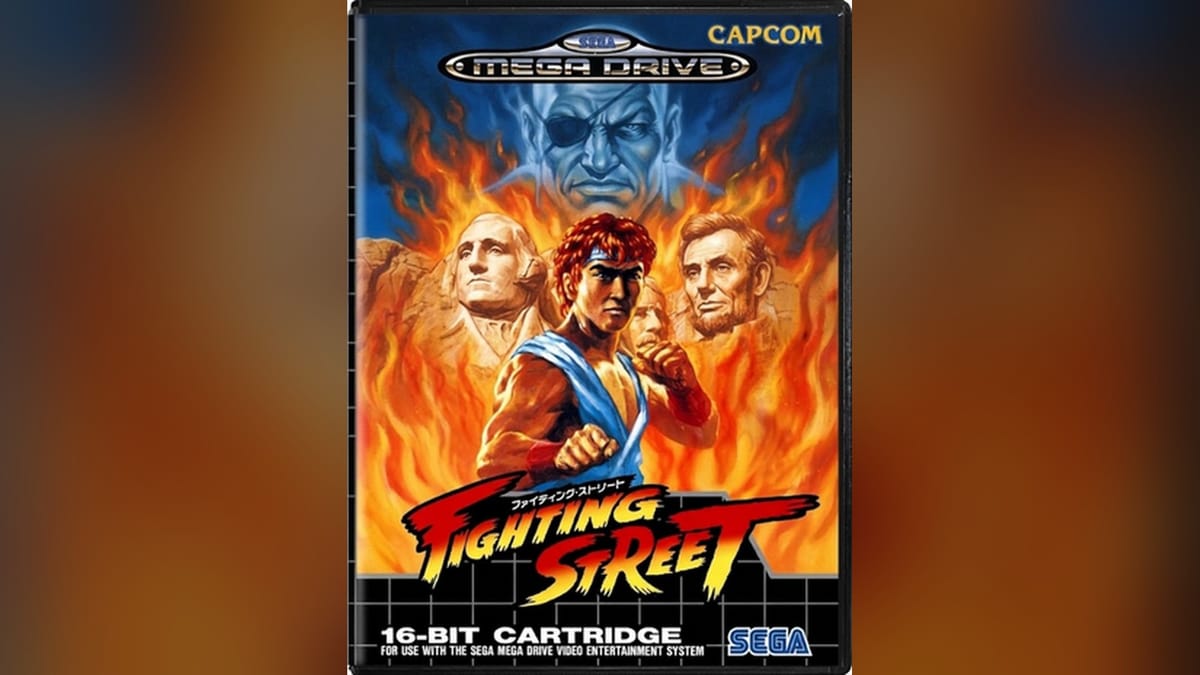
Indie developer io8066 has released Fighting Street MD on itch.io, a free homebrew port that brings Capcom's original 1987 Street Fighter to the Sega Mega Drive and Genesis. The new release is available right now as a free download that runs on PC through Genesis emulators or directly on original 16-bit Sega hardware via a flash cart.
Before Street Fighter II: The World Warrior took over arcades in 1991, directors Takashi Nishiyama and Hiroshi Matsumoto laid the groundwork in August 1987 with the original Street Fighter. That first outing introduced Ryu, Ken, and final boss Sagat, along with the six-button control scheme and motion inputs for the Hadoken, Shoryuken, and Tatsumaki Senpukyaku. Some cabinets didn't even have six buttons, shipping instead with two giant pneumatic rubber pads that measured how hard you punched them (an experiment arcade operators quickly abandoned after players kept breaking the sensors).
I still have my TurboGrafx-CD copy
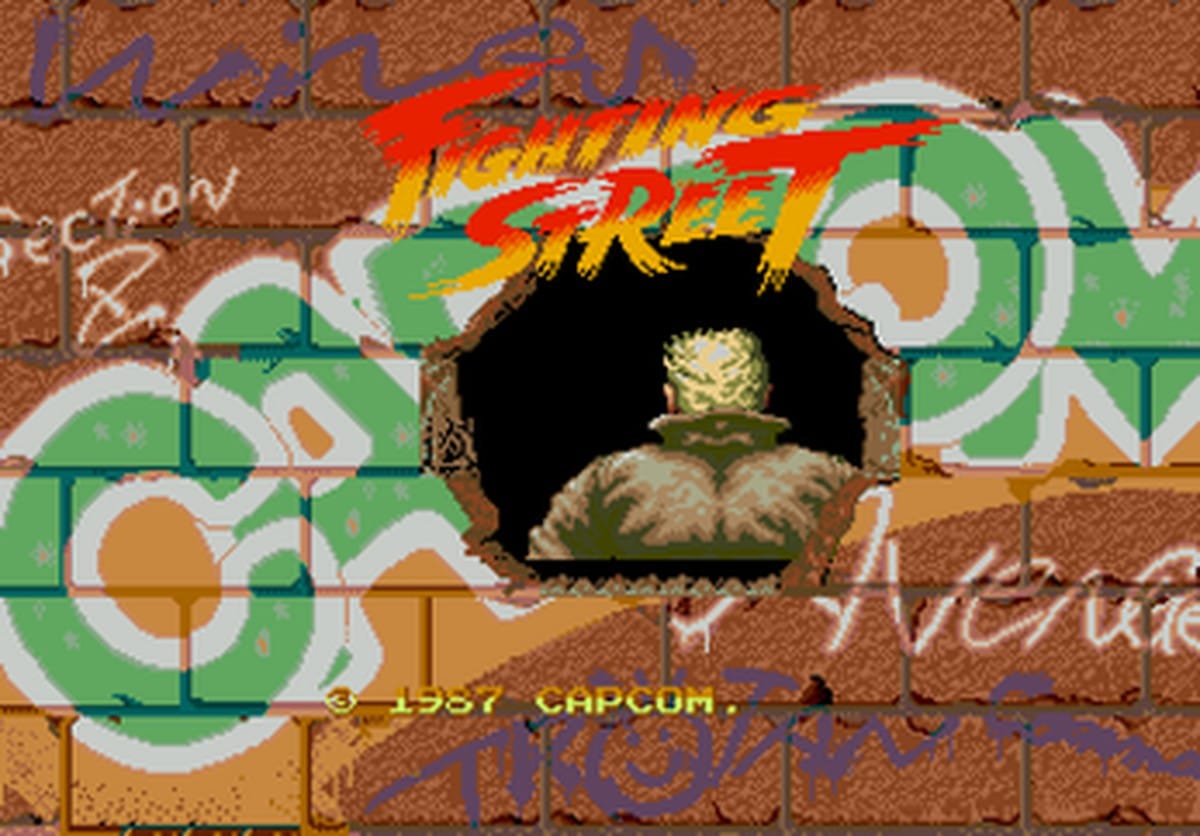
The "Fighting Street" name isn't an invention for this homebrew project, and it isn't a copyright dodge either. When Hudson Soft and Alfa System ported the 1987 arcade game to NEC's PC Engine CD-ROM² in December 1988 (and later brought it to North America for the TurboGrafx-CD), they retitled it Fighting Street. It was one of the earliest CD-ROM console games ever released.
I actually have Fighting Street on the TurboGrafx-CD. It gets way more hate than it deserves. Look, it isn't a great game, and the stiff movement and brutal special move timing windows feel prehistoric compared to what Capcom built four years later. But it isn't horrible either, especially once you stop trying to play it like Street Fighter II and accept it as a weird, boss-rush martial arts brawler from 1987.
Filling a 16-bit console gap
Sega's 16-bit console eventually got Street Fighter II': Special Champion Edition in 1993, which remains one of the primary reasons anyone bought Sega's six-button arcade pad, yet the 1987 original skipped both the Mega Drive and the Super Nintendo entirely during their commercial lifespans. Outside of the TurboGrafx-CD release and some rough 8-bit computer conversions for platforms like the Commodore 64 and Amiga, home console players in the early 1990s didn't have a way to play the first tournament until Capcom started bundling it into nostalgia compilations decades later.
Recreating it for Sega's Motorola 68000 processor and Yamaha YM2612 FM synth chip is a smart fit for the current Genesis homebrew scene. Modern toolkits like the Sega Genesis Development Kit (SGDK) have made it much easier for independent coders to build native 16-bit arcade ports, such as MXRetroDev's Final Fight MD. Because the 1987 Street Fighter only lets players control Ryu (or Ken in two-player matches) against a linear gauntlet of ten opponents across five countries, it's a much more manageable target for a solo developer than a full roster fighter.
I'm curious whether io8066 smoothed out the notoriously strict input detection for the Hadoken and Shoryuken, or kept the unforgiving 1987 arcade timing intact. Either way, you don't have to pay a dime to find out how Ryu's bright red slippers look on Sega hardware.
Comments ()