
EverDrive creator Krikzz is making a plug-and-play PlayStation 1 ODE
EverDrive creator Krikzz has announced a solderless, plug-and-play optical drive emulator for the original PlayStation.
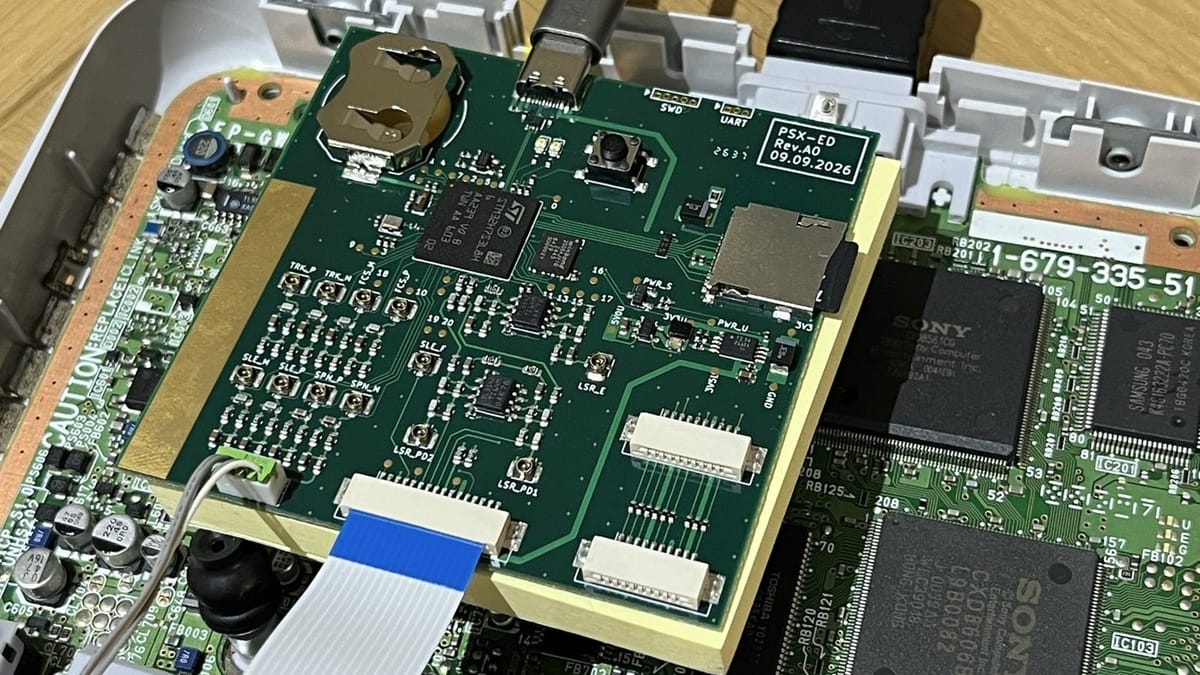
Hardware developer Igor Golubovskiy, better known as Krikzz, has announced a plug-and-play optical drive emulator (ODE) for the original Sony PlayStation. In a post on X on October 15, Golubovskiy kept the reveal brief: "I'm a little late to this party, but I'll still come. PS1 plug and play ODE on it's way."
I'm a huge fan of Krikzz, and I have high hopes for this project. He created the EverDrive series of SD card multicarts for Nintendo, Sega, and plenty of other systems, building a reputation since the late 2000s as the gold standard for running ROMs on original hardware. Whether it's the Mega EverDrive on the Genesis, the EverDrive-64, or the NES and Game Boy equivalents, his carts just work.
Stepping into optical media is different territory for a developer known almost entirely for cartridge slots. Though the Mega EverDrive Pro did bring Sega CD emulation directly through the Genesis cartridge bus without needing the actual disc add-on, the PlayStation 1 has no cartridge slot to hijack.
No soldering iron required
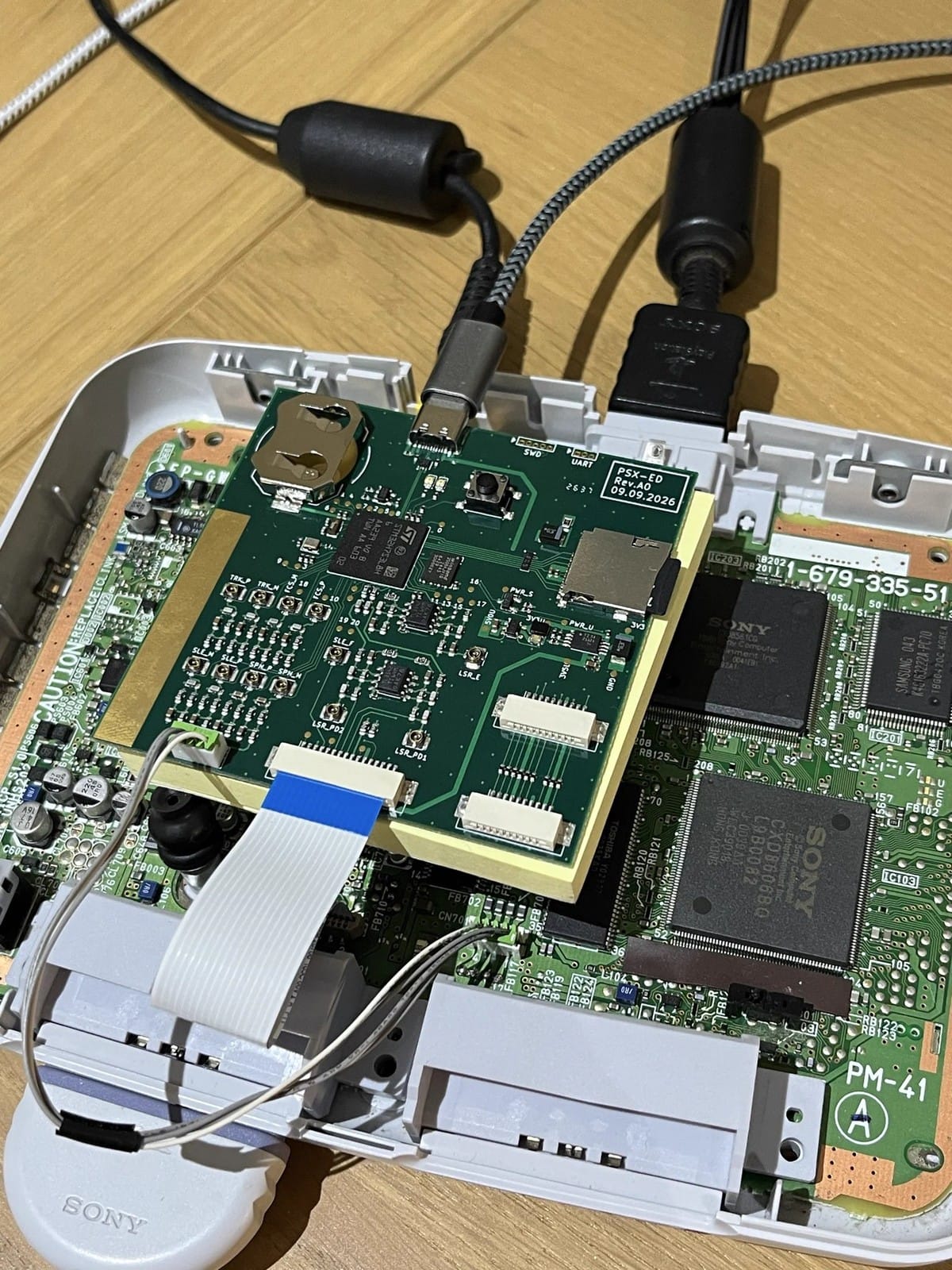
The phrase doing the heavy lifting in Golubovskiy's post is "plug and play." Running PlayStation disc images off an SD card isn't a new concept, as hardware modders have been tackling Sony's 32-bit console for years, but the installation process has historically required a steady hand and a willingness to put a hot iron against a thirty-year-old circuit board.
Early options like the PSIO plugged into the rear parallel port found on older console revisions, yet still demanded that users solder a small switchboard directly to the motherboard inside the shell. Later, the xStation became the gold standard for PlayStation ODEs by replacing the optical drive entirely, though installing one requires lifting microscopic pins on surface-mount chips across specific board revisions like the PU-8 and PU-18. It's a nerve-wracking job that plenty of owners outsource to professional modders.
Solderless alternatives like the Raspberry Pi Pico-powered ArcStation have started proving that you can bypass the CD-ROM assembly by plugging directly into the motherboard's existing ribbon and power connectors. Krikzz hasn't explained whether his version connects to the internal drive headers inside the shell or uses the external parallel port on older models, only that it won't require modification to get up and running.
Why 1994's lasers are running out of time
Sony launched the PlayStation in Japan in December 1994 and in North America in September 1995, eventually selling over 102 million units worldwide. Three decades later, those original CD-ROM drives are dying off in droves.
Anyone who owned an early SCPH-1001 model back in the '90s probably remembers flipping the console upside down just to get Final Fantasy VII or Gran Turismo to read past the boot screen without skipping. Plastic sled rails warp, spindle motors fatigue, and optical lenses degrade. Replacing the laser assembly with cheap aftermarket parts is mostly a gamble on how many months the replacement will survive before failing again.
An ODE fixes the problem permanently by swapping the moving parts for solid-state storage, feeding ISO or BIN/CUE files directly to the motherboard bus at native speeds. Pricing, release timing, and which specific PlayStation motherboard revisions will make the cut haven't been shared yet. I'm curious to see whether Krikzz's design works across the full run of PS1 models, including the late-era PSone slim, which dropped the rear parallel port entirely.

Comments ()