
Azahar 2127.0 Alpha 3 adds CSND audio emulation for 3DS applets
The open-source Nintendo 3DS emulator Azahar gets CSND audio support for system applets, 3GX plugins, and early homebrew in its 2127.0 Alpha 3 test build.
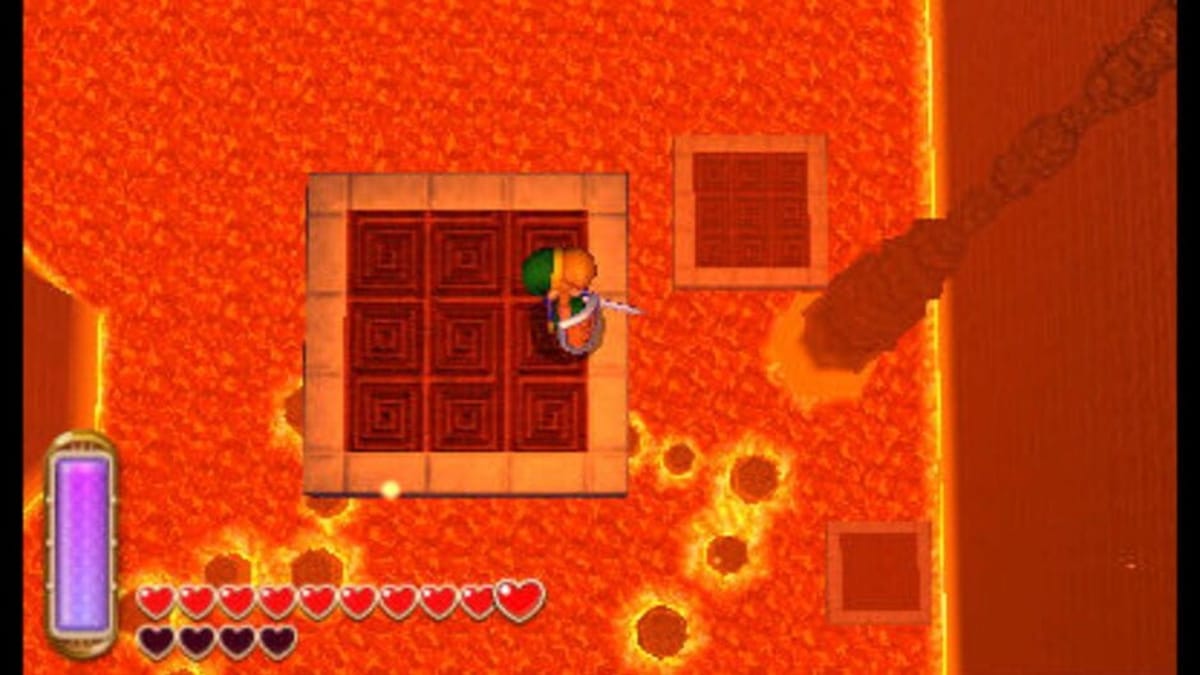
The open-source Nintendo 3DS emulator Azahar has released version 2127.0 Alpha 3, an experimental test build that introduces emulation for the console's CSND audio module. Built by veteran 3DS homebrew developer PabloMK7, the addition finally lets system applets like the 3DS on-screen keyboard, 3GX plugins, and older homebrew applications output sound properly. It is an incremental prerelease aimed at testers willing to put up with bleeding-edge bugs before the next stable update arrives.
While commercial retail games like Super Mario 3D Land or The Legend of Zelda: A Link Between Worlds usually route their audio through the 3DS's dedicated DSP chip, system-level software and early community tools often rely on the CSND (Capture Sound) service to play sound directly. Without it, typing on the system keyboard or running custom 3GX game plugins meant operating in dead silence. Having PabloMK7 tackle this specific blind spot makes plenty of sense, considering he also created and maintains CTGP-7, the massive custom track mod for Mario Kart 7 that relies heavily on plugin architecture.
From Citra's ashes to an orange blossom

Azahar isn't a brand-new emulator built from scratch, even if the name still trips up anyone who hasn't checked on 3DS emulation in the last couple of years. The project formed in late 2024 when two separate post-Citra forks, Lime3DS and PabloMK7's personal Citra branch, decided to merge their codebases rather than split the community's attention.
That split happened in March 2024, when Tropic Haze settled its lawsuit with Nintendo for $2.4 million and shut down both the Switch emulator Yuzu and the decade-old 3DS emulator Citra. Lime3DS initially focused on user interface polish and Android improvements, while PabloMK7 focused on low-level core accuracy. Combining the two under the name Azahar (Spanish for orange blossom, a nod to Citra's citrus theme without risking trademark headaches) was a smart move for the 3DS preservation scene, especially after Nintendo shut down the 3DS eShop in March 2023 and killed off official Nintendo Network online play in April 2024.
Today, Azahar runs across Windows, macOS, Linux, and Android as a standalone program, with Flathub and Google Play Store builds available alongside Libretro cores for RetroArch that also extend support to iOS and tvOS.
Theme freezes and compressed bundles
Beyond the CSND audio work, 2127.0 Alpha 3 cleans up a handful of annoying regressions and interface quirks across platforms. PabloMK7 also patched several minor inaccuracies in the High-Level Emulation (HLE) GSP graphics module, which should iron out obscure edge-case bugs in retail games, though I'm curious to see which specific titles actually behave differently once testers start comparing notes.
The rest of the changelog targets everyday usability and file handling:
- Windows theme fix: Developer OpenSauce04 fixed a nasty regression introduced in 2127.0 Alpha 1 where changing the UI theme on Windows caused the entire emulator to hang indefinitely. (Nothing tests your patience quite like an emulator surviving dual-screen 3D rendering only to lock up because you wanted dark mode.)
- Compressed ROM bundles: DevYukine resolved a bug where CIA content inside a ROM Bundle wouldn't install properly if it had been compressed into a
.zciafile before bundling. - Smarter input binding: Instead of throwing a flat failure message when you try to bind a button or hotkey to an input that's already in use, a new dialog by DavidRGriswold simply asks if you want to unbind the previous assignment.
- Desktop hotkeys and build fixes: Desktop users get new "Configure" and "Configure Current Application" hotkeys courtesy of contributor crueter, and rtiangha fixed a CMake target name conflict that was breaking source builds on newer versions of zstd.
Because this is an alpha release, the development team warns that it isn't considered stable yet. If you don't feel like troubleshooting prerelease quirks or reporting bugs on GitHub, you're better off sticking to the current stable branch until 2127.0 finishes cooking.

Comments ()