
Evercade's four-game James Pond cartridge launches on December 4
Blaze Entertainment's physical compilation packs four 16-bit Sega Genesis adventures of the British mascot onto a single Evercade cartridge.
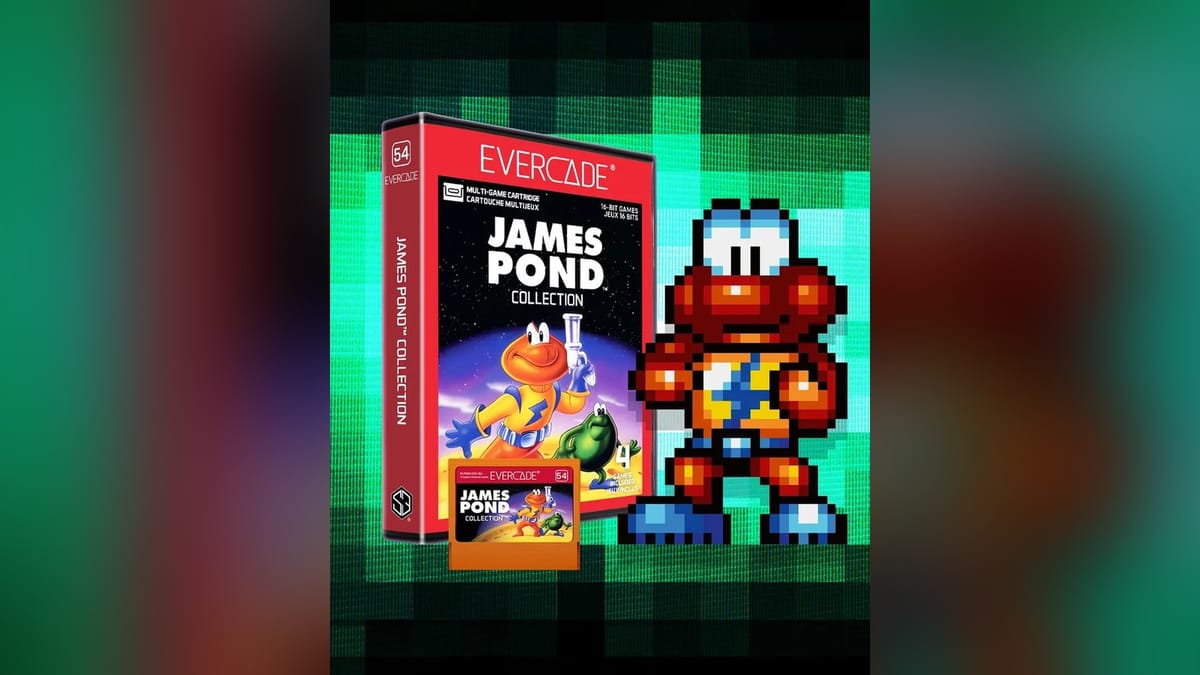
Blaze Entertainment is keeping pre-orders open for the Evercade James Pond Collection ahead of its December 4 launch. First announced on September 24 alongside The Last Ninja & International Karate Collection, the physical cartridge compiles four 16-bit console games starring the British aquatic mascot for $29.99 (£24.99 in the UK).
Numbered as Cartridge 54 in the Evercade Home Console line, the compilation pulls together the Sega Genesis (Mega Drive) versions of the character's early '90s catalog. It runs across the entire hardware ecosystem, including the Evercade EXP-R handheld, the Evercade VS-R home console, and the Super Pocket.
Three platformers and an Olympic spinoff
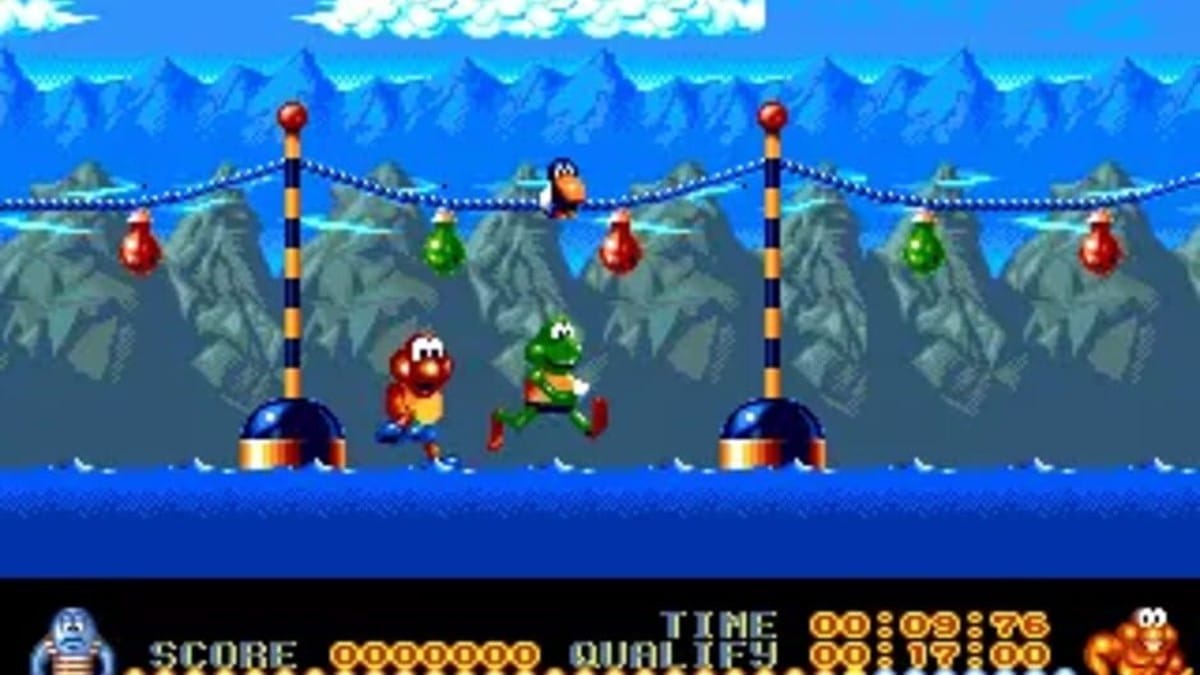
The cartridge covers the series' entire 16-bit console run from 1990 to 1993:
- James Pond: Underwater Agent (1990)
- James Pond 2: Codename: RoboCod (1991)
- The Aquatic Games Starring James Pond and the Aquabats (1992)
- James Pond 3: Operation StarFI5H (1993)
Created by designer Chris Sorrell and programmer Steve Bak under British publisher Millennium Interactive, the series began on the Commodore Amiga and Atari ST in 1990 before Electronic Arts handled the Sega Genesis ports. The concept is peak early '90s British game design: an anthropomorphic mudskipper working for the British secret service against an aquatic supervillain named Dr. Maybe. Naming a secret agent fish "James Pond" is the kind of dad joke that shouldn't sustain a four-game franchise, yet it worked well enough to make him one of the UK's biggest mascots of the era.
While the first game focuses on underwater exploration and rescuing trapped sea life, 1991's Codename: RoboCod shifts mostly to dry land. Dr. Maybe retreats to the North Pole and takes over Santa's workshop, giving Pond a robotic suit that lets him stretch his torso infinitely upward to grab ceilings. In the UK, the original computer versions of RoboCod were also inescapable for their blatant corporate tie-in with McVitie's Penguin chocolate biscuits, which plastered the wrapper art across the intro screen and stage hazards.
The remaining two games take wildly different directions. The Aquatic Games drops the platforming entirely for a button-mashing summer sports parody in the style of Epyx's California Games, complete with seal balancing and kipper watching. James Pond 3: Operation StarFI5H returns to traditional platforming, sending Pond and his frog sidekick Finnius across the moon to stop Dr. Maybe from mining high-grade lunar cheese in a massive, interconnected world map borrowed straight from Super Mario World.
Why the Genesis ports
Putting this compilation in the red-cased Home Console line rather than the blue-cased Home Computer line confirms Blaze Entertainment is using the 16-bit console releases instead of the original Amiga versions. That's mostly a practical win for modern hardware, since the Genesis builds were designed around a standard three-button gamepad rather than the Amiga's single-button joystick controls. I'm curious whether the RoboCod ROM on the cartridge retains any trace of the European biscuit branding or defaults to the North American Genesis build, which swapped the Penguin logos out for generic items.
For collectors, Operation StarFI5H and The Aquatic Games haven't received nearly as many modern digital ports as RoboCod, which has popped up on almost every platform from the PlayStation 2 to the Nintendo Switch over the last two decades. Getting all four Genesis games in one clamshell box with a printed manual for $30 is far easier than tracking down the original Electronic Arts cartridges, especially with those clunky yellow plastic tabs on the side of the shells.
Comments ()