
Double Dragon creator Yoshihisa Kishimoto has died at 64
The pioneer of the beat 'em up genre passed away on April 2. He directed arcade classics like Renegade and introduced two-player co-op to the brawler.
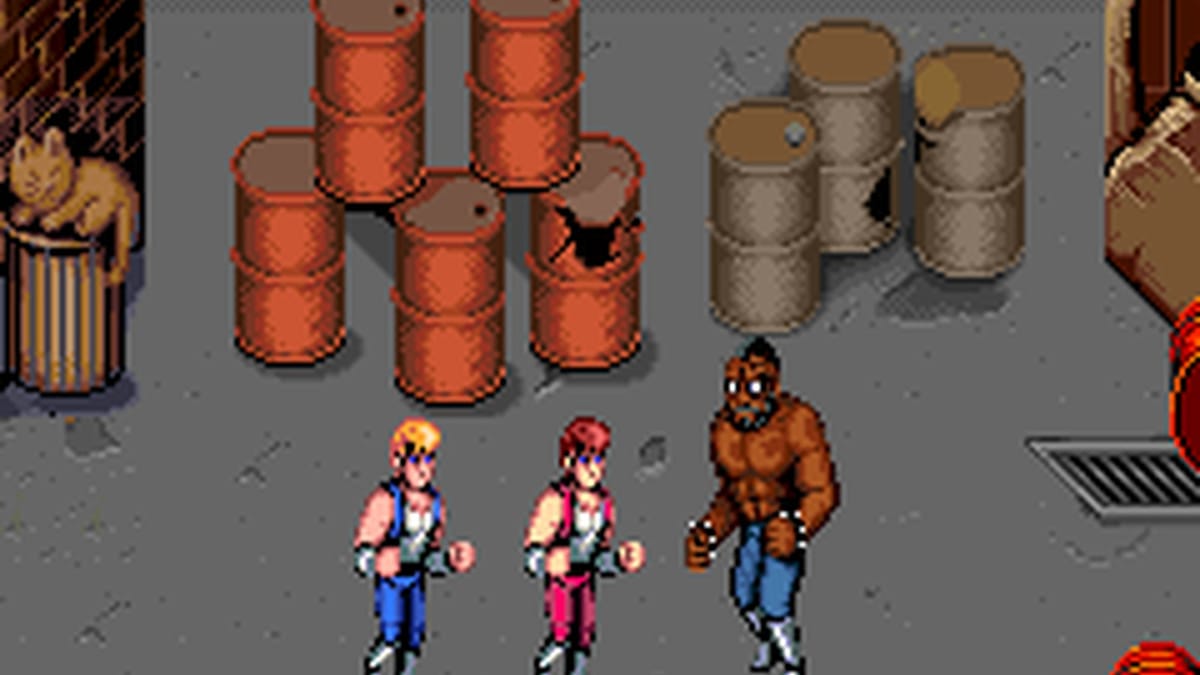
Yoshihisa Kishimoto, the director who created the Double Dragon and Kunio-kun franchises, has died at age 64. His son Ryūbō announced the news on Facebook. Kishimoto passed away on April 2.
I love the Double Dragon series. I actually just played Double Dragon II: The Revenge for a game club. This news hits particularly close to home. Sixty-four is entirely too young. Kishimoto essentially invented the modern beat 'em up genre and left a massive footprint on arcade history.
That sequel refined the original's mechanics. It swapped the standard punch and kick buttons for a directional attack system that changed depending on which way your character faced. It is a brilliant piece of design that still feels great today.
Starting with laserdiscs in 1984
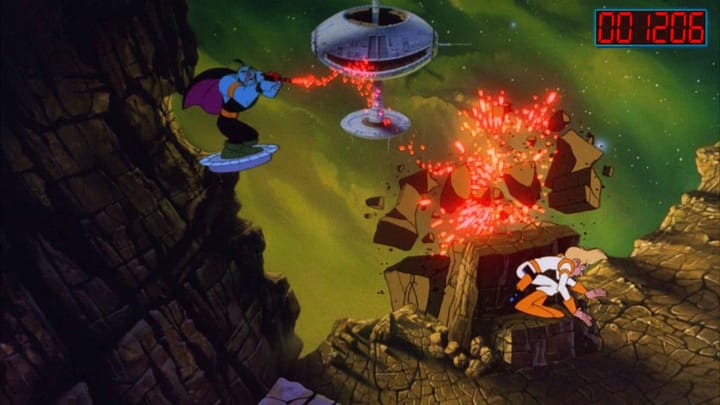
Kishimoto began his career in the early 1980s at Data East. He directed the laserdisc arcade games Cobra Command (known as Thunder Storm in Japan) and Road Blaster. These were interactive movies that relied on high-quality animation played back from a laserdisc. The hardware allowed for visuals that standard arcade boards of the era could not produce.
He left Data East to join Technos Japan in 1985. That move shifted his focus from interactive cartoons to street fighting. His own teenage years provided the blueprint for his next project. Kishimoto was a self-described rebellious high schooler who frequently got into fights. He channeled those experiences into the 1986 arcade game Nekketsu Kōha Kunio-kun.
The game established the template for the modern beat 'em up. It introduced four-way movement in a pseudo-3D space. Western audiences know the game as Renegade. The localization team completely changed the graphics and setting to resemble the 1979 American film The Warriors. They swapped Japanese high school delinquents for street gangs.
The Kunio-kun franchise became a massive property in Japan. Technos spun the characters off into sports games like Super Dodge Ball and Nintendo World Cup. The series eventually morphed into River City Ransom in the West.
Two players on one cabinet
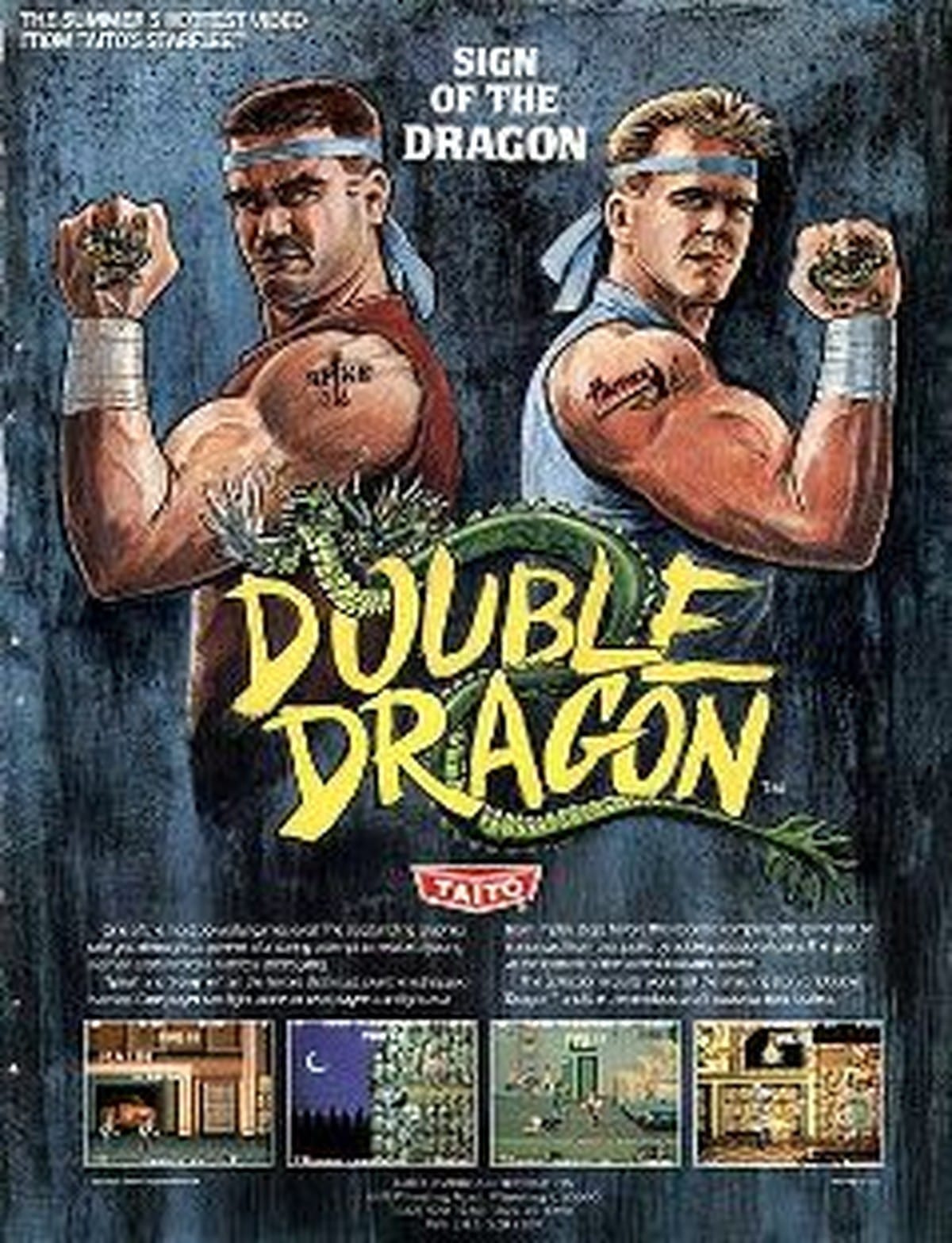
The following year brought his biggest success. Kishimoto wanted to improve the Renegade formula and pay tribute to Bruce Lee. He directed Double Dragon in 1987. The game introduced simultaneous two-player cooperative play to the genre. It also added the ability to disarm enemies and use their weapons against them. Players could pick up baseball bats, whips, and throwing knives.
The co-op mechanics included friendly fire. Players could accidentally hit each other during a brawl. This culminated in the game's famous ending. If both players defeated the final boss, the game forced them to fight each other to the death for the affection of the rescued captive Marian.
Double Dragon was a massive arcade hit. It spawned multiple sequels, comics, toys, and a live-action movie. Kishimoto stayed with Technos Japan through the early 1990s. His credits there include China Gate, WWF Superstars, and The Combatribes.
Hundreds of budget titles
After leaving Technos, Kishimoto worked as a freelance designer and producer under the name Plophet. He produced the horizontal shooter Cho Aniki for the PlayStation and Sega Saturn. He also developed budget games for mobile phones and created software for the "Plus e" platform. This was a computer terminal distributed to family restaurants across Japan.
Kishimoto remained involved with his most famous creations long after Technos closed its doors. He was a creative consultant on WayForward's Double Dragon Neon in 2012. He also consulted on River City Ransom: Underground. In 2017, he returned to the director's chair for Double Dragon IV. This direct sequel used the 8-bit visual style of the NES ports.
His son asked fans to respect the family's privacy during their private funeral. He also expressed hope that players will continue to enjoy his father's games. Given how many modern brawlers still use the exact mechanics Kishimoto invented 40 years ago, that seems like a certainty.
Comments ()