
Analogue 3D just got an OLED-focused HDR update
Firmware 1.2.5 brings Advanced HDR to the FPGA N64 console, along with alphabetical library navigation and automatic Rumble Pak detection.
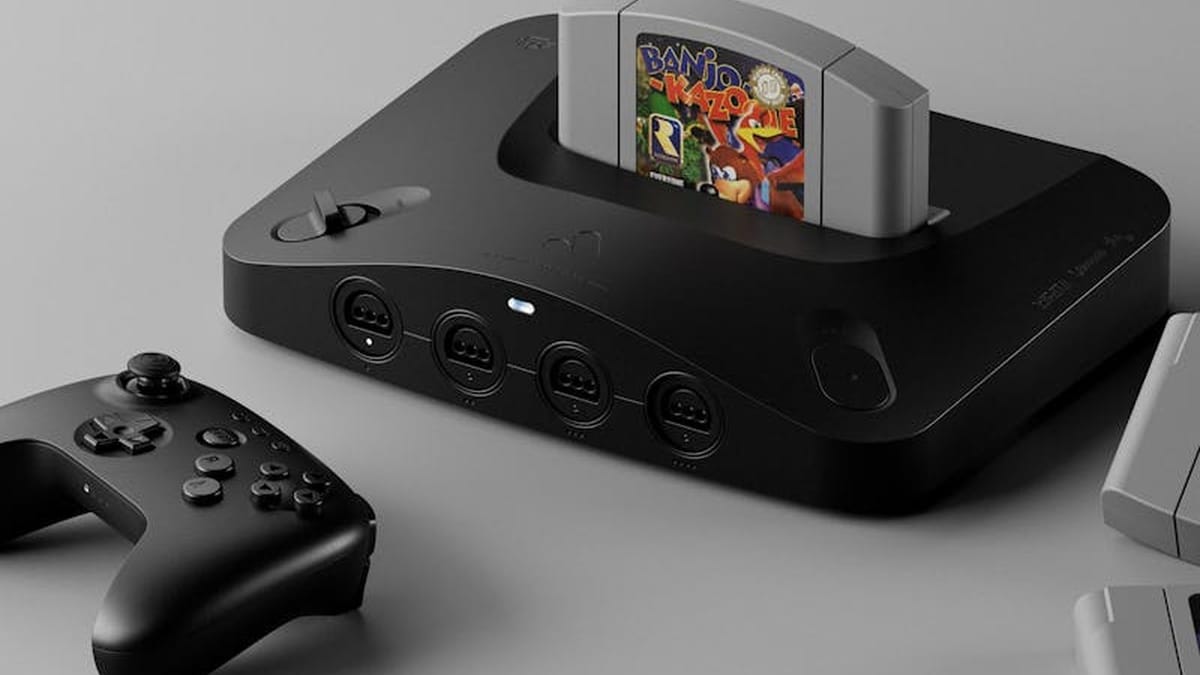
Analogue has released firmware version 1.2.5 for the Analogue 3D, adding new HDR capabilities specifically designed for modern OLED displays. The update went live on April 10 and is available to download for the FPGA-based Nintendo 64 console.
The main addition is a feature Analogue calls Advanced HDR. This allows the console's original display modes to take full advantage of the brightness and color gamut available on modern televisions. Users can now adjust a maximum luminance setting to match their specific display type. The goal is to make the simulated CRT filters look more authentic by pushing the peak brightness higher than standard dynamic range allows.
I am always skeptical when modern display tech gets grafted onto 1996 graphics. But pushing enough brightness through a heavy CRT mask filter is notoriously difficult. Giving the Analogue 3D access to an OLED panel's peak luminance should theoretically solve the dimming effect that usually plagues heavy scanline filters. A proper CRT mask eats up a massive amount of light, and standard dynamic range simply cannot compensate for it.
Fixing the library scroll
The update also addresses some basic user interface complaints. The library menu now supports alphabetical navigation. Scrolling through a large list of cartridge dumps is faster and more responsive.
Controller accessories also received a necessary adjustment. The firmware now automatically selects the virtual Rumble Pak for several specific games when using a wireless controller. The original Nintendo 64 had a notoriously fragmented accessory ecosystem. The controller only had one expansion slot, forcing players to constantly swap between the Controller Pak for saving games and the Rumble Pak for force feedback. Having the console handle that virtual swap automatically removes a minor but persistent annoyance when booting up games that rely heavily on rumble.
The Nintendo 64 library is known for early 3D platformers like Super Mario 64 and Banjo-Kazooie, but it also has a massive catalog of games that relied heavily on the blurring effects of consumer CRT televisions. Games like GoldenEye 007 and Perfect Dark used early anti-aliasing techniques that look incredibly harsh on a raw, unfiltered 4K digital signal. The Analogue 3D's display modes are designed to recreate the softening effect of a tube television. The new Advanced HDR implementation ensures those softening filters do not result in a dark, muddy image on modern screens.
$269 after the tariff bump
The Analogue 3D launched on November 18, 2025, as the first fully FPGA-based hardware recreation of the Nintendo 64. It bypasses software emulation entirely and runs original cartridges in 4K resolution. Nintendo 64 emulation has historically been a massive headache due to the complex architecture of the original Silicon Graphics hardware and the console's unified memory architecture. Analogue's approach recreates the original silicon behavior at the hardware level.
The console initially opened for pre-orders at $249.99. Analogue later increased the base price to $269.99 for new orders, citing new tariffs. A batch of translucent Funtastic colorways followed in December for $300. These mimic the colorful plastic shells Nintendo released late in the original console's lifespan.
Analogue has a history of steadily updating its FPGA consoles for years after launch. The Analogue Pocket is still receiving core updates, and the Super Nt saw firmware revisions long after its original release. Version 1.2.5 for the 3D continues that pattern, focusing on visual accuracy and removing minor menu friction.
Comments ()