
6 Sega Technical Institute prototypes recovered by Hidden Palace
Preservationists at Hidden Palace and DevStash have pulled playable prototypes, design docs, and raw source code for six early-1990s Sega Genesis projects off former STI programmer Ken Rose's old floppy disks.
Preservation collectives Hidden Palace and DevStash have published an archive of playable Sega Genesis prototypes, design documents, and raw source code pulled from the personal floppy disks of former Sega Technical Institute senior programmer Ken Rose. Founded in Redwood City, California in 1991 by Mark Cerny, STI was supposed to pair Japanese veterans like Yuji Naka and Hirokazu Yasuhara with American developers, though internal friction and tight holiday deadlines killed off a lot of the studio's Western side before those games ever reached a cartridge.
Rose worked at STI from June 1991 until February 2, 1994, the exact day Sonic the Hedgehog 3 hit store shelves. Only one project he touched during that three-year run, Sonic the Hedgehog Spinball, ever made it to retail, but he completely modernized how the studio wrote games by introducing automated revision control and convincing management to let his team code in C instead of pure 68000 assembly. Here are the six projects recovered from the disks he kept in storage for over three decades.
1. Kid Chameleon (Prototype B)
STI's first original release began development in 1990 as Cerny pushed for a character-driven mascot game, eventually launching in 1992. Rose didn't program Kid Chameleon, yet his disks held a late-1991 build that matches an already archived December 1991 prototype on the surface. The real oddity is buried in the ROM's empty space: leftover data on the disk matches an existing May 1992 prototype of Dark Empires byte for byte, showing how the studio recycled media across unrelated teams.
2. Dark Empires
Rose's first assignment at STI was leading programming alongside Scott Chandler on Dark Empires, a fantasy tactical strategy game designed by Bill Dunn and built on top of Mike Schwartz's existing Dick Tracy Genesis engine. This was the project where Rose forced STI to adopt source code control after watching the Kid Chameleon team lose entire weeks to manual code merges. The newly recovered assembly source code is missing art assets and won't compile on its own, though it preserves internal unit lists from a niche strategy experiment that Cerny and Sega ultimately axed to chase broader commercial hits.
3. B-Bomb
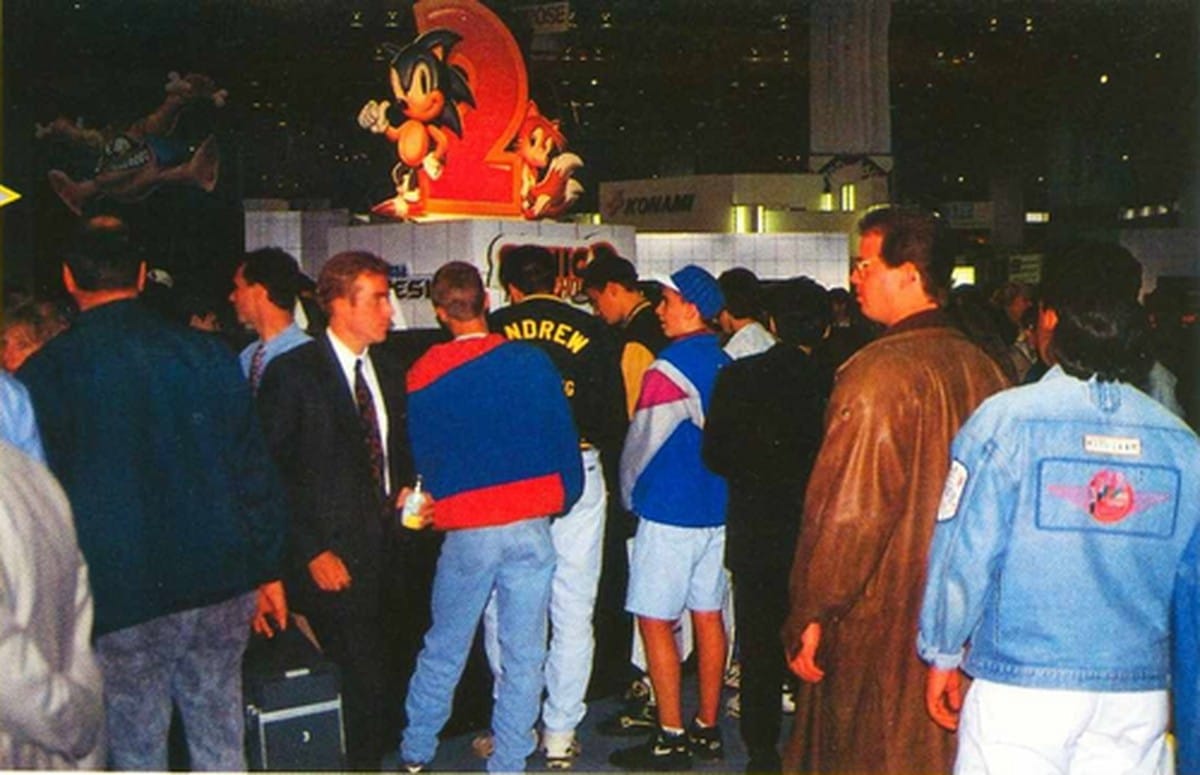
After Dark Empires got the axe, STI needed a quick game its Western team could finish in nine months for the 1992 Christmas rush. Artist Rick Macaraeg pitched B-Bomb (short for "Butt-Bomb"), a vertical, Joust-style platformer designed by Craig Stitt with sprites by Brenda Ross, where players drop onto enemies from above. Rose talked a hesitant Cerny into letting him write the game in C, making it STI's first project in the language, and the newly released October 1992 build is much further along and more playable than Sega's decision to cancel it after Summer CES 1992 for not being an "A title" would suggest.
4. Jester (Kinetix)
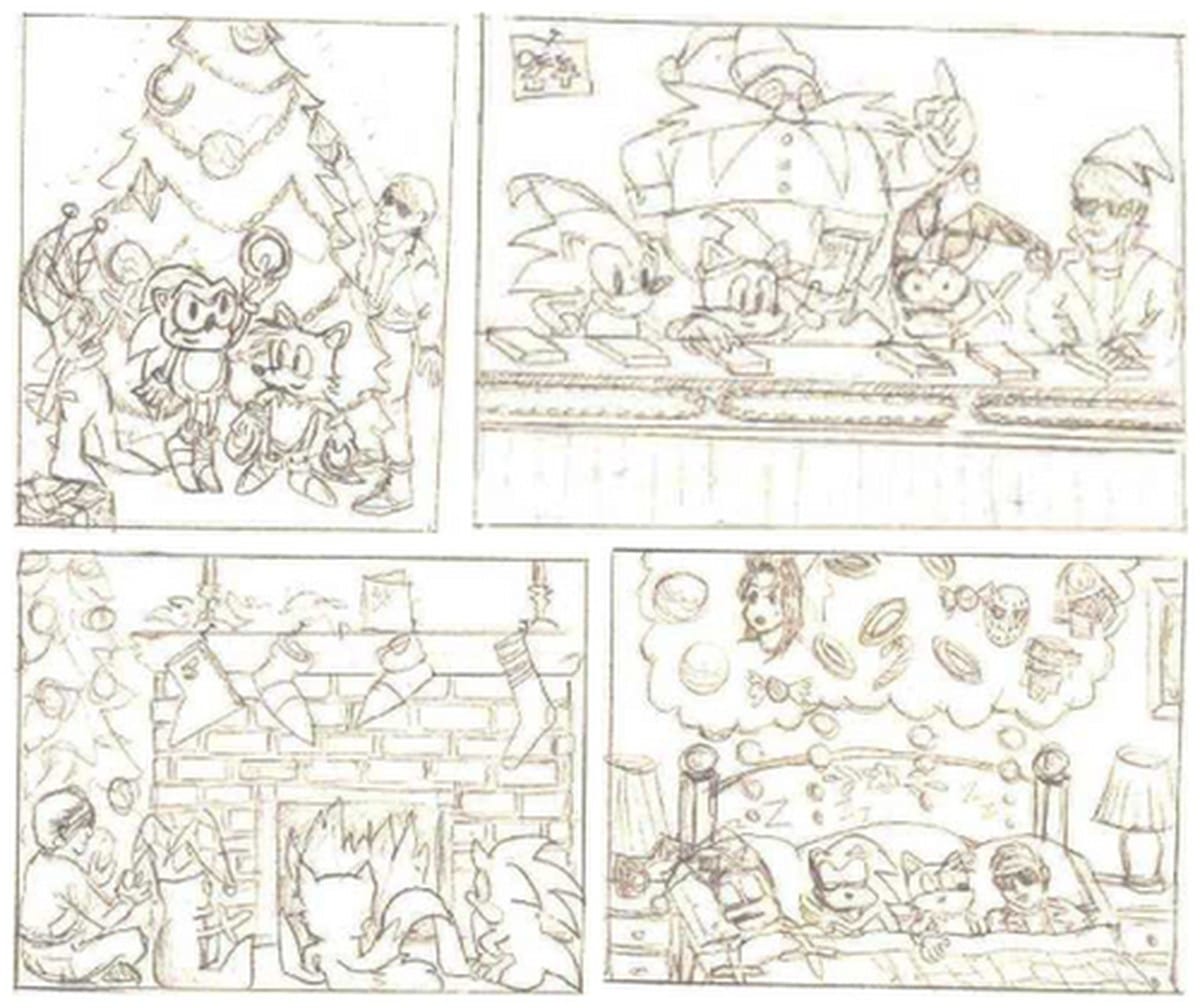
Also conceived by Macaraeg and programmed by Chandler, Jester (working title Kinetix) was a comedic platformer with no traditional enemies at all. Instead, stages were packed with environmental hazards meant to burn, squash, and maim the clay protagonist's body, and the February 1993 build on Rose's disks shows off mechanics that had only ever been hinted at in old magazine screenshots, like morphing into a bouncing ball and shooting through transport tubes. It spent roughly three years in development with an April 1994 release target and even appeared on an internal STI Christmas card next to Sonic and Tails, making it baffling that a replacement producer shelved the nearly finished game after Cerny left Sega.
5. Treasure Tails
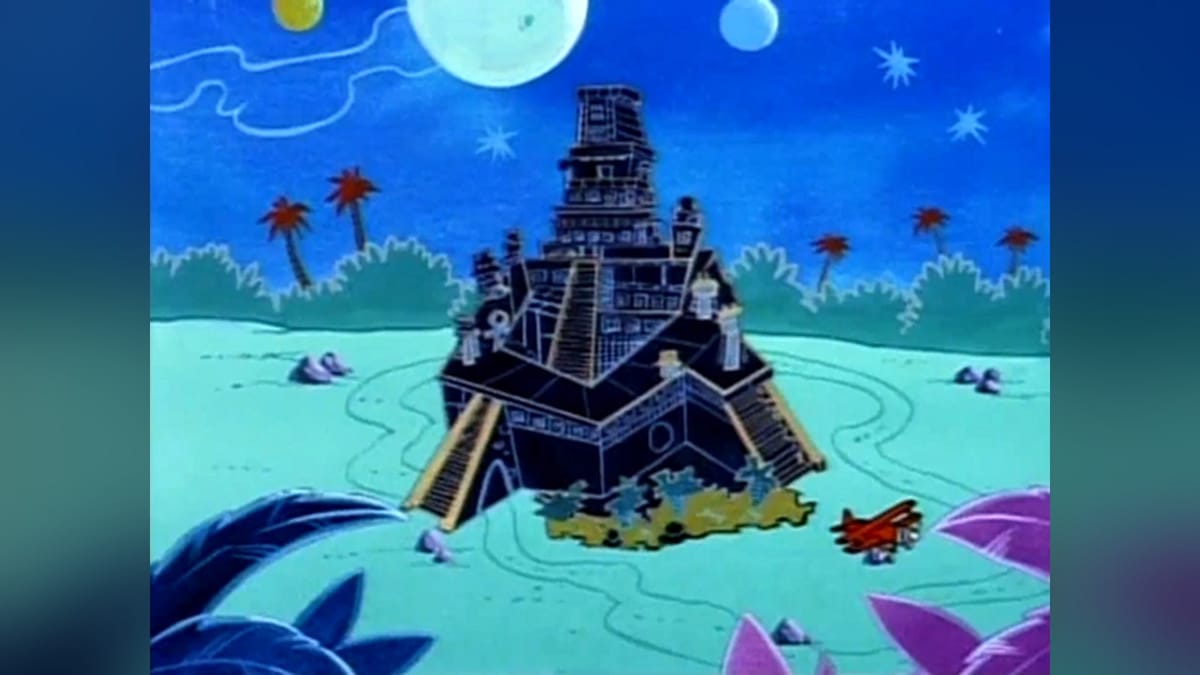
In December 1992, Sega of America management asked STI for a simple Christmas 1993 game starring Miles "Tails" Prower, resulting in an isometric puzzle-adventure programmed by Rose and Earl Stratton with design by Hoyt Ng. Recovered design documents reveal it was planned as a direct tie-in to the "Tails' Tale" episode of the DiC cartoon Adventures of Sonic the Hedgehog, much like Sonic Spinball tied into the episode "Attack on Pinball Fortress." Stitt was the sole artist assigned to the project, and when Rose had him tally the remaining workload, Stitt calculated it would take four years to draw every animation; studio head Roger Hector killed the project on April 16, 1993, and moved the staff onto Spinball, leaving behind an April 1993 playable build and source code that prove even Sega's flagship characters weren't immune to terrible scoping.
6. Segapede (Astropede)
Pitched by Stitt in September 1993, Segapede (later retitled Astropede) put Rose to work building the physics engine that linked the trailing body segments of its robotic centipede protagonist, Zipp. Hector fired Rose in February 1994 before he could finish it, and while the game died in development, the source code on his disks compiles into a previously unseen January 25, 1994 prototype with a unique stage layout. That repository is the real prize of the dump for hardware nerds, because tucked inside the files are collision routines from Sonic Spinball, header files from four other cancelled STI projects, the entire kernel program for B-Bomb, and Sega's GEMS 2.2 audio driver.
Most studio histories only survive through the games that actually shipped, which makes STI look like little more than the team that built Sonic 2, Comix Zone, and The Ooze. Getting playable builds and raw C and assembly source code for the studio's graveyard projects fills in the three-year gap where its American developers were quietly figuring out how to modernize 16-bit software engineering, even when management kept pulling the plug.
Comments ()