
Xemu just updated its Xbox emulation with better display scaling
The original Xbox emulator Xemu just released version 0.8.136, bringing x86-64-v3 CPU optimizations and fixes for high-resolution displays.
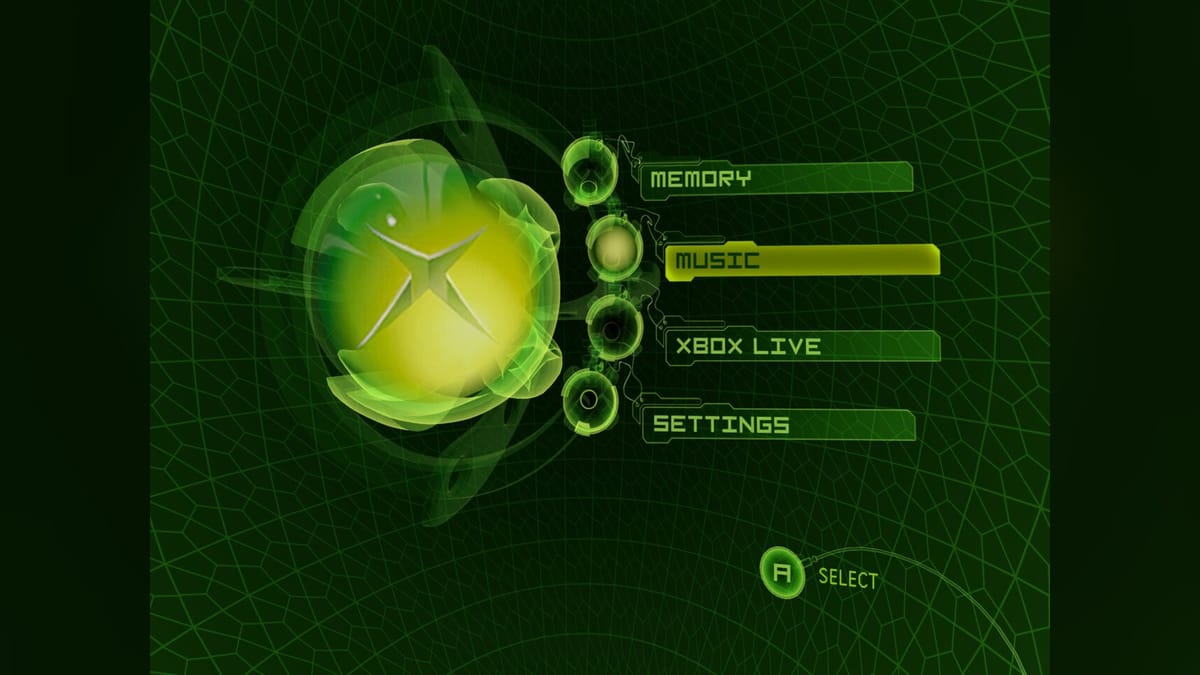
The original Xbox emulator Xemu just pushed version 0.8.136, bringing a fresh set of performance optimizations and display scaling fixes to the project. The v0.8.136 update is available now across Windows, macOS, and Linux.
Lead developer Matt Borgerson merged several pull requests that improve how the emulator handles modern hardware. The biggest under-the-hood change is the activation of x86-64-v3 optimizations for release builds. This instruction set architecture level requires a CPU from around 2015 or newer (like Intel's Haswell or AMD's Excavator architectures) and allows the software to leverage Advanced Vector Extensions 2. Emulating a console requires heavy CPU lifting. Giving the emulator access to these wider instruction sets helps squeeze out extra frames in demanding titles.
The update also fixes a persistent annoyance for users with 4K monitors. The user interface now properly accounts for pixel density and display scaling. Previously, dragging the emulator window across monitors with different scaling percentages could cause the interface to render incorrectly or appear microscopic. Borgerson also bumped the SDL3 subproject to version 3.4.10 and explicitly set the video driver hints to prioritize Wayland and X11 on Linux systems.
Escaping the dark ages of Xbox emulation
For a long time, the community assumed original Xbox emulation was a lost cause. The console was essentially a modified PC in a black plastic box, which led to a misconception that it would be easy to emulate. The reality was the exact opposite.
Microsoft used a custom Intel Pentium III CPU and a highly customized Nvidia NV2A graphics chip. Because the hardware was so close to a standard PC, early developers tried high-level emulation. Projects like Cxbx attempted to intercept Xbox API calls and translate them directly into Windows API calls. It worked for a handful of games like Turok: Evolution, but the compatibility list remained tiny for over a decade. The undocumented audio processor and the specific quirks of the NV2A GPU made accurate emulation incredibly difficult.
From XQEMU to hardware acceleration
The breakthrough came with XQEMU. Instead of trying to translate API calls, developers built a low-level emulator on top of the open-source QEMU machine emulator. It was highly accurate but brutally slow. You needed a supercomputer to run Halo: Combat Evolved at single-digit framerates.
Xemu started as a fork of XQEMU. Borgerson and other contributors shifted the focus toward hardware-accelerated graphics and actual playability. They replaced the slow software rendering with an OpenGL backend that offloaded the heavy lifting to the host PC's graphics card.
The project evolved rapidly after that shift. As of 2025-2026, Xemu boots over 80-82 percent of the original Xbox library. Games that were trapped on aging hardware for two decades are now fully playable.
This latest update is a maintenance release rather than a massive compatibility overhaul. It cleans up the code base, updates the build toolchains, and removes some hardcoded target restrictions for macOS builds. The steady drip of optimizations is exactly what keeps a project like this viable long-term.



Comments ()