
Xbox App finally embraces Arm architecture on Windows 11 PCs
Microsoft has released a native Xbox App for Arm-based Windows 11 devices, signaling a major shift for gaming on non-x86 hardware.
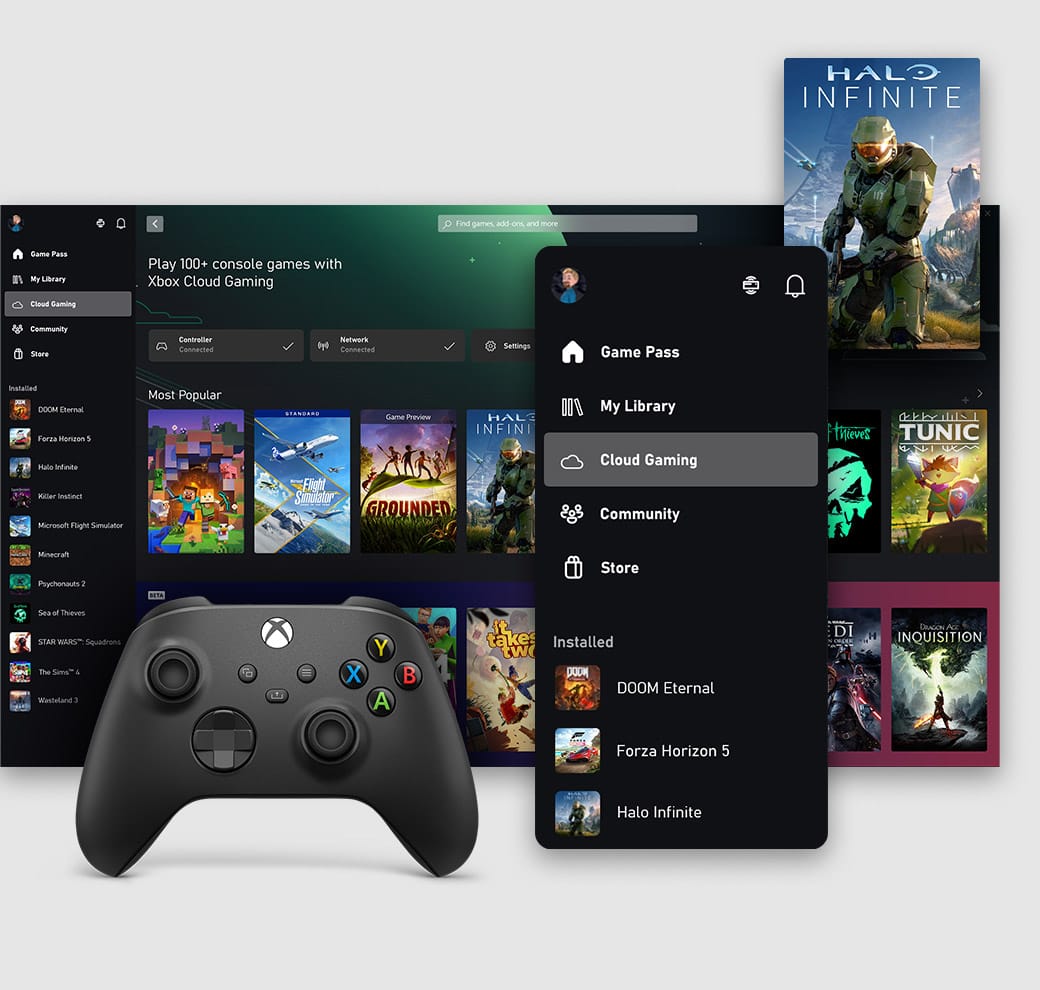
Microsoft has officially released a native version of the Xbox App for Arm-based Windows 11 PCs, expanding its gaming ecosystem to devices powered by Qualcomm and other Arm processors. As announced by Xbox Wire Editor-in-Chief Joe Skrebels, this update brings the full suite of Xbox services, including Game Pass Ultimate and cloud gaming, to a class of hardware that has historically been left on the sidelines of the PC gaming world.
For years, the concept of "gaming on Windows on Arm" was something of a punchline. It usually involved terrible emulation performance, graphical glitches, or simply staring at an error message because a game required x86 instruction sets that the processor didn't understand. This release marks a significant pivot. It suggests that Microsoft is finally confident enough in the hardware ecosystem to put its primary gaming branding directly onto these low-power, high-efficiency chips.
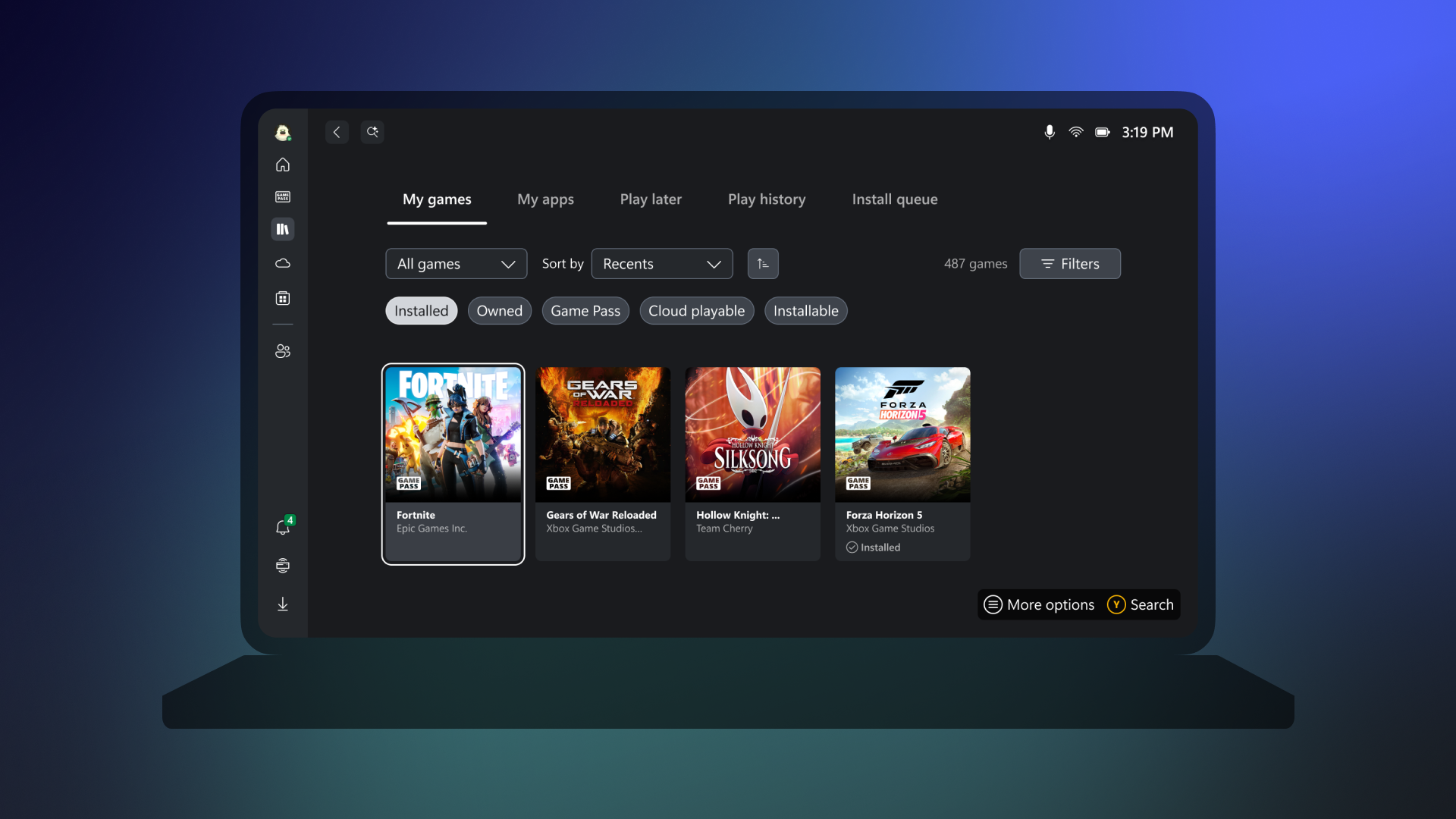
Breaking the Wintel Monopoly
To understand why this matters, you have to look at the architecture. For decades, PC gaming has been synonymous with the x86 architecture used by Intel and AMD. It is the language that almost every PC game from Doom to Starfield speaks. Arm processors, which power your phone, your Switch, and modern MacBooks, speak a different language. Getting them to talk to each other has historically required a translation layer that eats up processing power and kills battery life.
By releasing a native Xbox App, Microsoft is bypassing that translation layer for the launcher itself. While this doesn't magically make every game run natively, it creates a stable environment for accessing the ecosystem. It is particularly relevant for cloud gaming. Arm devices are typically thin, light, and have excellent battery life. They are arguably the perfect vessels for streaming games via Xbox Cloud Gaming, provided the app itself doesn't drain the battery faster than the stream can load.
The Ghost of Windows RT
It is impossible to discuss this without bringing up the history of Microsoft's attempts at Arm. We all remember, perhaps with a shudder, the Surface RT from 2012. It was a device that looked like a PC but couldn't run PC apps, trapping users in a walled garden that had fewer inhabitants than a deserted island. It poisoned the well for Windows on Arm for nearly a decade.
However, the landscape has changed since 2021. With the release of Windows 11 and the pressure from Apple's M-series chips, the industry has been forced to take Arm seriously for desktop computing. The hardware inside devices like the Surface Pro 9 (5G model) or the Lenovo ThinkPad X13s is significantly more capable than the Tegra chips of the past.
What This Means for Players
According to the announcement, users on these devices can now access the full catalog of PC Game Pass titles. The interesting technical hurdle here will be seeing which games run natively and which rely on Windows 11's improved emulation layer. Microsoft has been quietly improving its "Prism" emulator to handle x86 applications more efficiently, but native execution is always the gold standard.
This move also opens the door for a new form factor of handheld Windows PCs. We have seen an explosion of x86 handhelds like the ROG Ally and Lenovo Legion Go, but they all suffer from mediocre battery life due to their power-hungry chips. An Arm-based Windows handheld, running a native Xbox App and focusing on indie titles or cloud streaming, could offer the kind of battery life that actually lasts longer than a flight from New York to Chicago.
For now, this update ensures that if you bought an Arm-based laptop for work, you aren't completely locked out of your backlog. You might not be rendering 4K ray tracing natively on a Snapdragon chip just yet, but at least the launcher will open without asking for a driver that doesn't exist.



Comments ()