
Hamster is bringing Devastators and Ninja-Kid 2 to modern consoles
Konami's 1988 arcade shooter and UPL's 8-bit home console action game are the latest additions to the Arcade and Console Archives series.
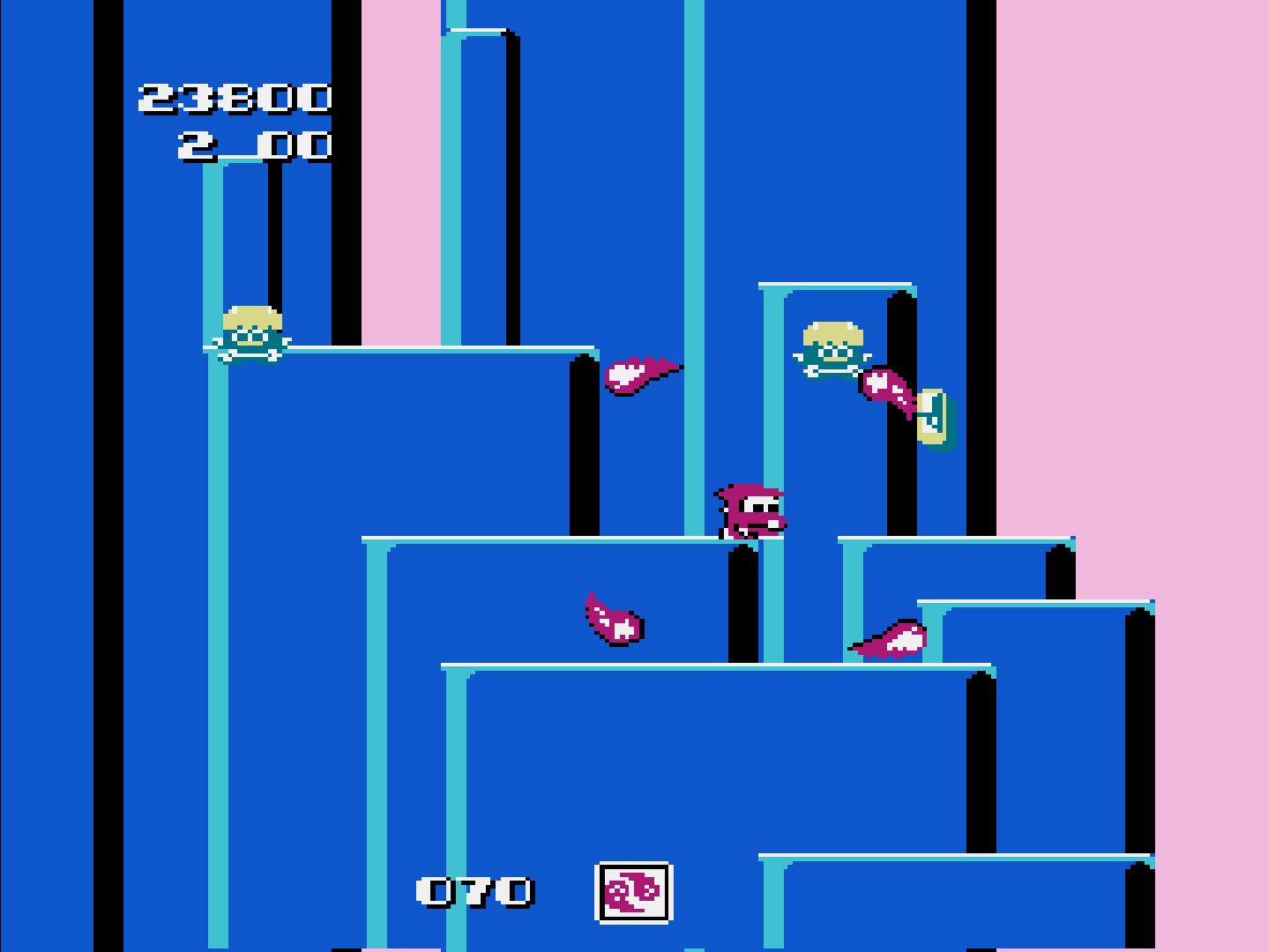
Hamster Corporation is releasing two retro titles on March 19. Konami's 1988 arcade shooter Devastators is joining the Arcade Archives series. UPL's 8-bit home release of Ninja-Kid 2 is coming to the newer Console Archives line. Devastators is launching across Nintendo Switch, Switch 2, PlayStation 4, PlayStation 5, and Xbox Series X|S. Ninja-Kid 2 is slated for the Switch 2 and PlayStation 5. Both games will cost $7.99.
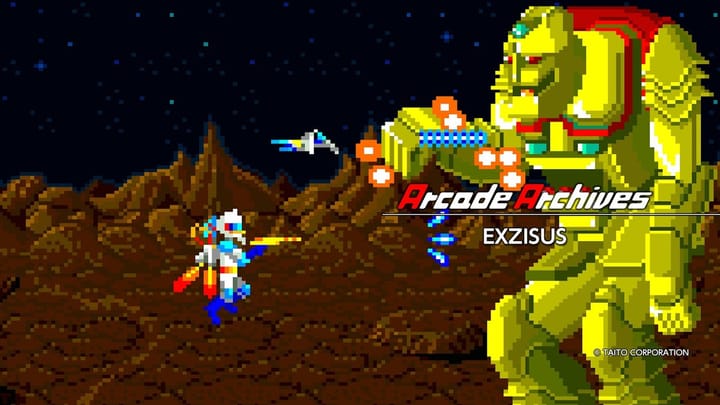
Devastators is an early example of the behind-the-back run-and-gun genre. Konami built it around a forward-scrolling perspective. Elite mercenaries fight to save a developing nation from a superpower. The camera sits behind the player character, similar to the base infiltration stages in Contra, but applied to an entire game. Players have to manage their movement in a pseudo-3D space to dodge incoming fire and take out enemy encampments.
Konami released Devastators in arcades during a highly experimental period for the company. They were trying to figure out how to translate the success of side-scrolling shooters into different perspectives. The hardware scales sprites to create the illusion of depth. You move your mercenary left and right across the bottom of the screen while pushing forward into enemy territory. It feels like a precursor to games like Wild Guns or NAM-1975, but with continuous forward movement. The arcade cabinet originally used a standard joystick setup, which translates perfectly to modern controllers.
The Hamster release includes both the English and Japanese ROMs. The two versions have slight gameplay differences. The Arcade Archives wrapper also includes the standard high score modes and variable refresh rate support for newer displays. Hamster noted that the game includes intense flashing lights, and they chose to leave the original visual effects intact rather than altering the ROM.
UPL's 8-bit ninja platformer
Ninja-Kid 2 (known as Ninja-kun Ashura no Shou in Japan) is an action platformer. Players use wall kicks and various weapons to defeat the villain Ashura. The game spans multiple environments like mountains, oceans, and caves. The art style is cute, but the actual platforming is notoriously difficult.
I looked into the history of this specific port to see why Hamster would release it again. Hamster already released the arcade original of Ninja-Kid 2 a few years ago. This new release specifically preserves the 1988 home console port. The 8-bit Famicom version actually has different level layouts and mechanics compared to the arcade original. It is a distinct experience rather than just a downgraded arcade board. Hamster acquired the rights to UPL's entire catalog back in 2016. This explains why we keep seeing these deep cuts from the defunct developer.
The Famicom version of Ninja-Kid 2 had to make compromises to fit on a home cartridge. The developers at UPL compensated for the weaker hardware by redesigning the stages. The arcade version is built around single-screen vertical platforming. The console port stretches those ideas into longer scrolling levels. You still get the same core mechanics. Your ninja can throw shurikens, blow fire, and bounce off walls to reach higher platforms. The wall-jump mechanic was actually quite novel for 1988. Most players would not see that kind of movement until Ryu Hayabusa popularized it in Ninja Gaiden a year later.
The shift to home consoles
The Console Archives series is a relatively new initiative for Hamster. After spending a decade releasing hundreds of arcade boards, the company recently started preserving home console ports. They kicked off the line earlier in 2026 with titles like Nobunaga's Ambition.
The Console Archives line is a smart pivot. Hamster has spent the last decade releasing a new arcade game every single week. They hold a Guinness World Record for their unbroken streak. But the well of viable arcade games is eventually going to run dry. Licensing issues, lost source code, and complex custom hardware make some arcade boards impossible to re-release. By opening the door to the Famicom, Super Famicom, and other home systems, Hamster guarantees they will have material for another ten years. It also gives them a chance to highlight the weird differences between arcade originals and their home ports.
This dual-release strategy allows them to preserve games that publishers like Koei Tecmo or Konami might not see enough financial value in re-releasing themselves. The arcade market has a finite number of games that can be legally untangled and emulated. Moving into the 8-bit and 16-bit console libraries gives Hamster a massive new pool of games to draw from.
Both games include the standard Hamster emulation options. Players can remap buttons, adjust difficulty settings, and use save states. The emulation wrapper also allows players to apply CRT filters to replicate the look of an old television.

Comments ()