
The Regions of Ruin sequel is coming to PC this April
Gameclaw Studio and Raw Fury are bringing the dwarf-centric RPG city-builder Regions of Ruin: Runegate to Steam and GOG on April 14.
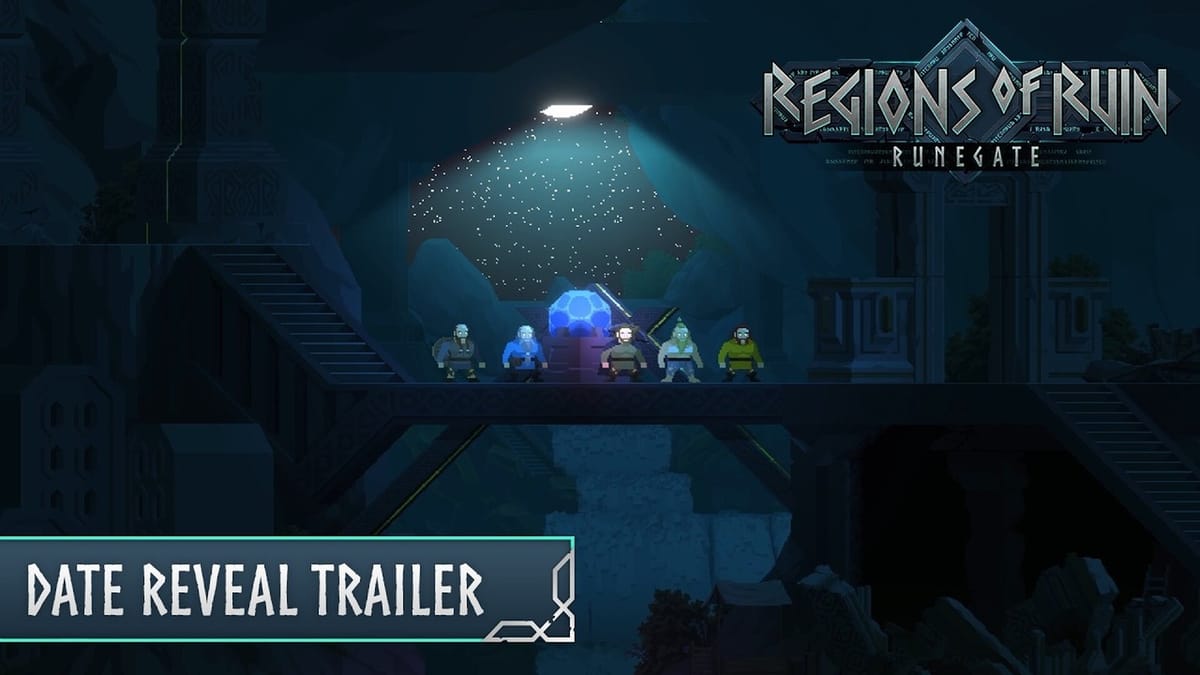
Gameclaw Studio and Raw Fury are launching the dwarf-centric RPG city-builder Regions of Ruin: Runegate for PC via Steam and GOG on April 14. The game is a direct sequel to 2018's Regions of Ruin. It brings back the original's mix of 2D side-scrolling combat and town-building mechanics.
The primary objective is the reconstruction of a lost dwarven civilization. You control a lone dwarf tasked with venturing into monster-infested landscapes to rescue scattered exiles and gather materials. The core loop demands balancing your time between exploring the wilderness and upgrading your central settlement.
The codebase was cursed
Gameclaw Studio originally did not plan to make a full sequel. The Australian developer treated the 2018 release as a prototype project. When the game found an audience, the team wanted to keep adding new lore, balancing tweaks, and gameplay mechanics to the existing client.
They quickly ran into a wall. Gameclaw director Steve explained in a developer blog that the foundational codebase of the first game was too messy to support major expansions. The programming was suboptimal. Instead of trying to bolt new features onto a fragile structure, they discarded the expansion plans and started over from scratch.
This clean slate allowed the team to completely overhaul the graphics, audio, and combat systems. The project was initially announced in 2024 as Regions of Ruin 2 when Raw Fury stepped in as publisher, before eventually adopting the Runegate subtitle. The developers also promised a more robust endgame. They want players to have things to do after finishing the main campaign without relying entirely on procedurally generated filler content.
Axes and architecture
Rebuilding the dwarven homeland requires heavy logistics. You have to manage the upgrade paths for town facilities. An Excavated Storehouse requires wood, stone, and other materials you must manually extract from the environment. You also need to manage food supplies and trade routes to keep your growing population alive.
This management layer sits on top of a traditional action-RPG foundation. Every building you construct unlocks new technologies, gear, or skill trees. You shape your character's fighting style by experimenting with different weapon combinations and stat upgrades. The game encourages you to rescue skilled adventurers in the wild and recruit them to work in your growing town. Each rescued dwarf brings different skills to your settlement. These recruits unlock specialized crafting options or combat perks.
When you are out in the field, the action moves quickly. You fight off goblins and other monsters using shields, spears, and axes. You can charge directly into a crowd of enemies or try to sneak up and backstab them. The enemies adapt to your tactics. You have to stay alert and change your approach. The combat system relies heavily on stamina management and precise timing. Players who just mash the attack button will get punished.
Writing backward
Gameclaw Studio took an unusual approach to the game's narrative design. The team built the world map and established the various factions before writing a single line of the main plot.
They populated the continent with different groups. These factions include human races like the Fjukamann and the Dulra. These groups have entirely different ways of life and built-in reasons for conflict. The Fjukamann might control key trade routes, which puts them at odds with nomadic groups. By establishing the political and cultural borders first, the developers avoided having to invent random plot devices later. The story just guides the player through a world that already operates by its own rules.
PC release plans
The April 14 launch is currently limited to Steam and GOG. The original game eventually made its way to PlayStation 4, Xbox One, and Nintendo Switch a few years after its PC debut.
Gameclaw Studio has not mentioned console ports for Runegate yet. The immediate focus is the PC launch. If you want to test the combat and resource management loops early, a demo is available on Steam right now.
Comments ()