
Hidden Palace releases playable Treasure Tails and Jester prototypes
Preservation groups Hidden Palace and DevStash recovered six Sega Technical Institute projects from programmer Ken Rose's old floppy disks.
Preservation groups Hidden Palace and DevStash have released playable prototypes, source code, and design documents for six early Sega Technical Institute (STI) projects, including the long-lost Sega Genesis games Treasure Tails and Jester. Several of these cancelled games were previously known only through magazine screenshots or blurry footage from a 1995 VHS demo reel, and they are now publicly playable for the first time.
The entire lot came from the personal floppy disks of former STI senior programmer Ken Rose, who sent the files over after a December 2025 interview with DevStash founder Ashley Rojas.
Mark Cerny founded STI in Redwood City, California in 1991 to combine Japanese and American development talent under one roof, eventually producing Sonic the Hedgehog 2 and Comix Zone. Cerny hired Rose in June 1991 after a decade in which the programmer ported games like Battlezone and Desert Falcon to Atari 8-bit computers. Over the next three years, Rose worked on a string of cancelled titles before STI head Roger Hector let him go on February 2, 1994, the exact day Sonic the Hedgehog 3 hit retail shelves. Only one project Rose touched at the studio, Sonic the Hedgehog Spinball, ever made it to stores.
Four years of Tails animations
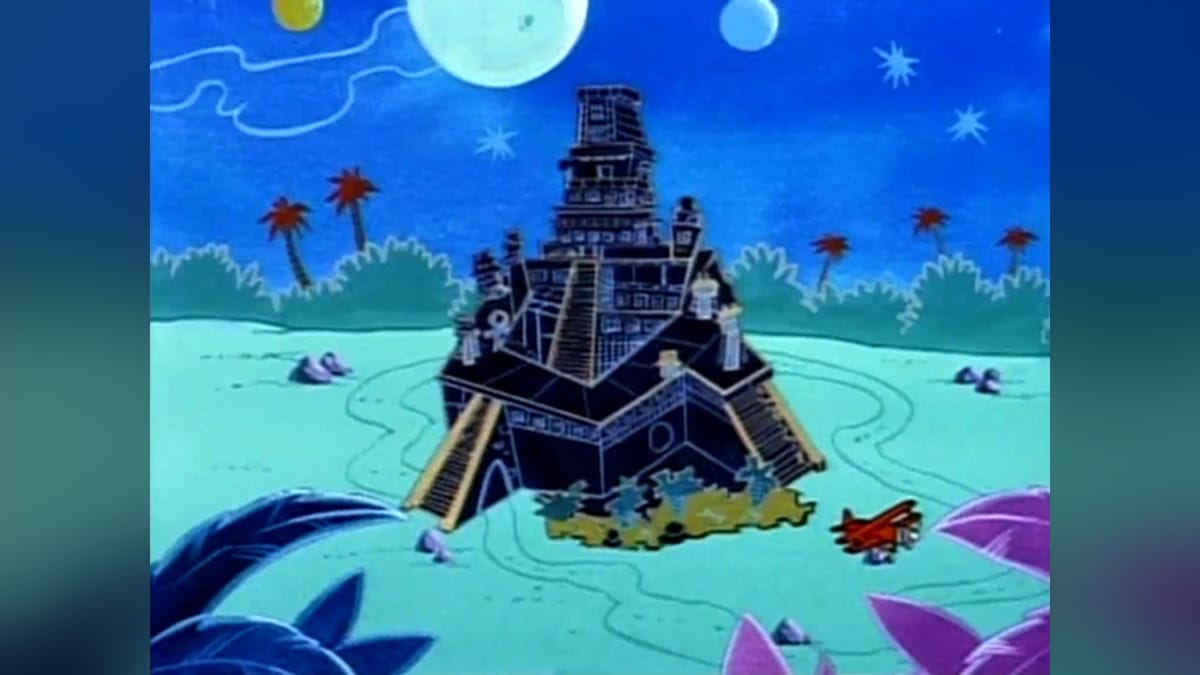
Sega of America management asked STI in December 1992 for a simple Tails game that could ship by the following Christmas. The studio came back with Treasure Tails, an isometric puzzle-adventure built by Rose, programmer Earl Stratton, and designer Hoyt Ng. Included design documents show it was planned as a direct tie-in to "Tails' Tale," an episode of the Adventures of Sonic the Hedgehog cartoon where Tails explores an ancient temple and fights a villain named Comomatz.
It didn't last long. Craig Stitt was the sole artist assigned to the project, and when he grew worried about the workload, Rose had him tally every animation required to finish the game. Stitt calculated it would take roughly four years of art labor, so the pair took the numbers to Hector and got the project cancelled on April 16, 1993. Doing the math before you spend four years drawing isometric sprites is probably the most sensible thing anyone did at Sega in the nineties. The team was immediately reassigned to Sonic Spinball, where Rose programmed the bonus stages, leaving behind the April 1993 prototype and source code released in this batch.
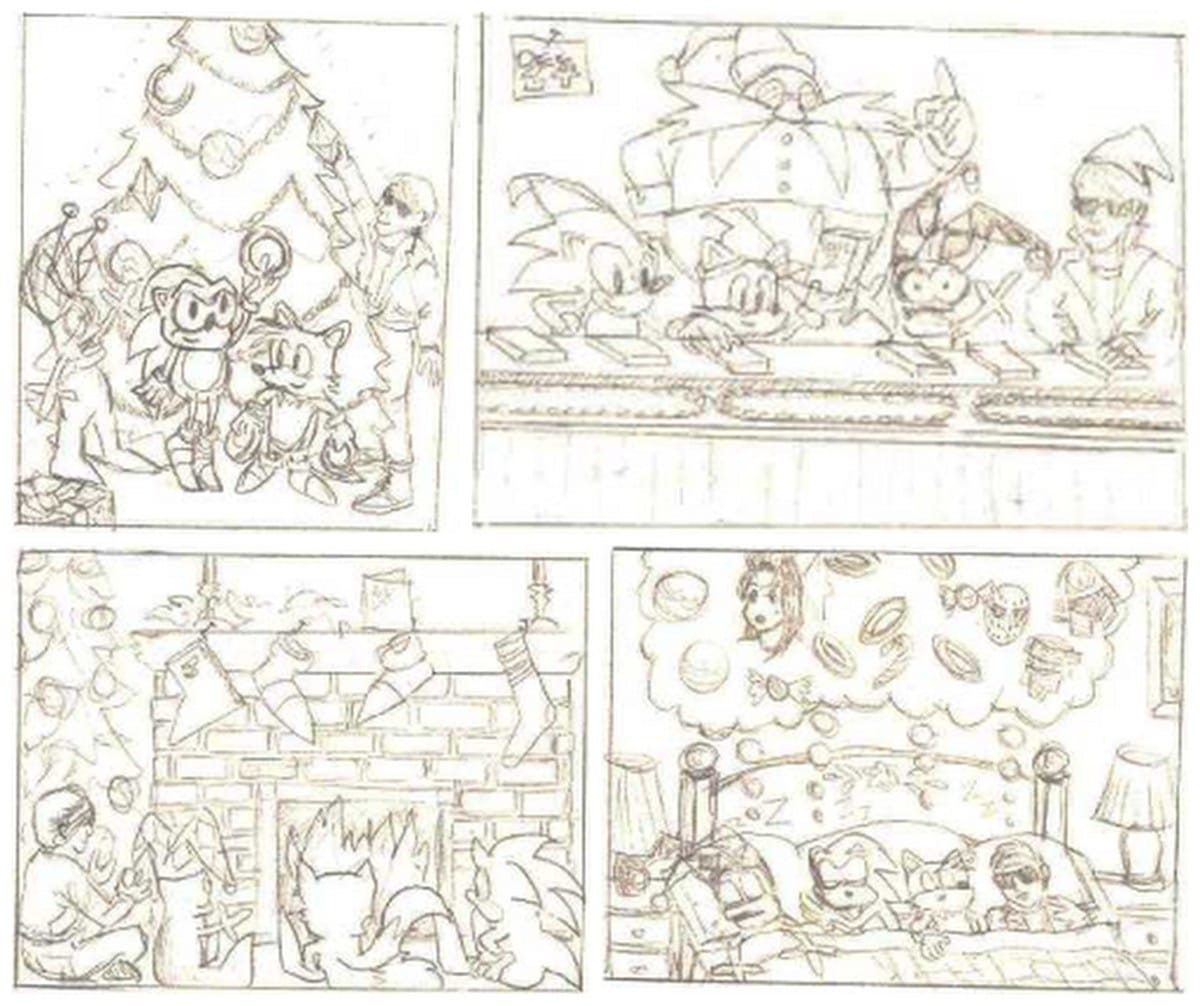
The other major prototype is a February 1993 build of Jester, originally titled Kinetix. Conceived by artist Rick Macaraeg and programmed by Scott Chandler, the platformer had no enemies at all. Players guided a malleable clay character through environmental hazards designed to squish and burn him for slapstick comedy, transforming into a bouncing ball to ride stage tubes. It started development in 1991 and was treated as a major priority with an April 1994 target release, even appearing alongside Sonic and Kid Chameleon on STI's 1992 Christmas card. Stitt suspects the nearly finished game was shelved because Cerny departed Sega and his replacement had no interest in seeing it through.
Teaching Sega to use C and version control
Rose's disks also preserve the unglamorous engineering changes he brought to the studio. His first assignment was leading Dark Empires, Bill Dunn's fantasy tactical strategy game built on top of Mike Schwartz's old Dick Tracy Genesis assembly code. After watching the Kid Chameleon team suffer through week-long manual code merges, Rose pushed STI to adopt proper source code version control on Dark Empires. Sega cancelled the game in December 1991 to focus on broader commercial hits, and while the September 1991 prototype Hidden Palace released in 2025 already showed how it played, Rose's disks add the uncompiled source code and a December 1991 Kid Chameleon build containing leftover Dark Empires data.
After Dark Empires died, the team had roughly nine months to build a 1992 Christmas release. They put together B-Bomb (short for "Butt-Bomb"), a vertical platformer inspired by Joust where players squash enemies from above. Rose convinced a reluctant Cerny to let him write it in C instead of assembly, making it STI's first C project and setting the standard for the studio's later Western games. Sega showed it at Summer CES 1992 and then killed it after six months because it wasn't an "A title." Rose noted the team would have been thrilled to ship a B-minus game by Christmas, and the recovered October 1992 prototype looks like the most enjoyable playable build of the bunch.
Rounding out the archive is Segapede (later renamed Astropede), a September 1993 pitch by Stitt where Rose spent months programming physics for linked, trailing body segments. The release includes the full source code, which compiles into a previously unseen January 1994 build with a different stage layout, plus GEMS 2.2 audio tools, Sonic Spinball collision code, and the entire kernel program for B-Bomb.




Comments ()