
The PS5 can emulate PS3 games at 4K but the CPU still struggles
Digital Foundry tested the RPCS3 emulator running natively on PS5 Linux. The console's GPU easily pushes early PS3 titles to 4K, but the cut-down Zen 2 CPU hits a wall with complex games.
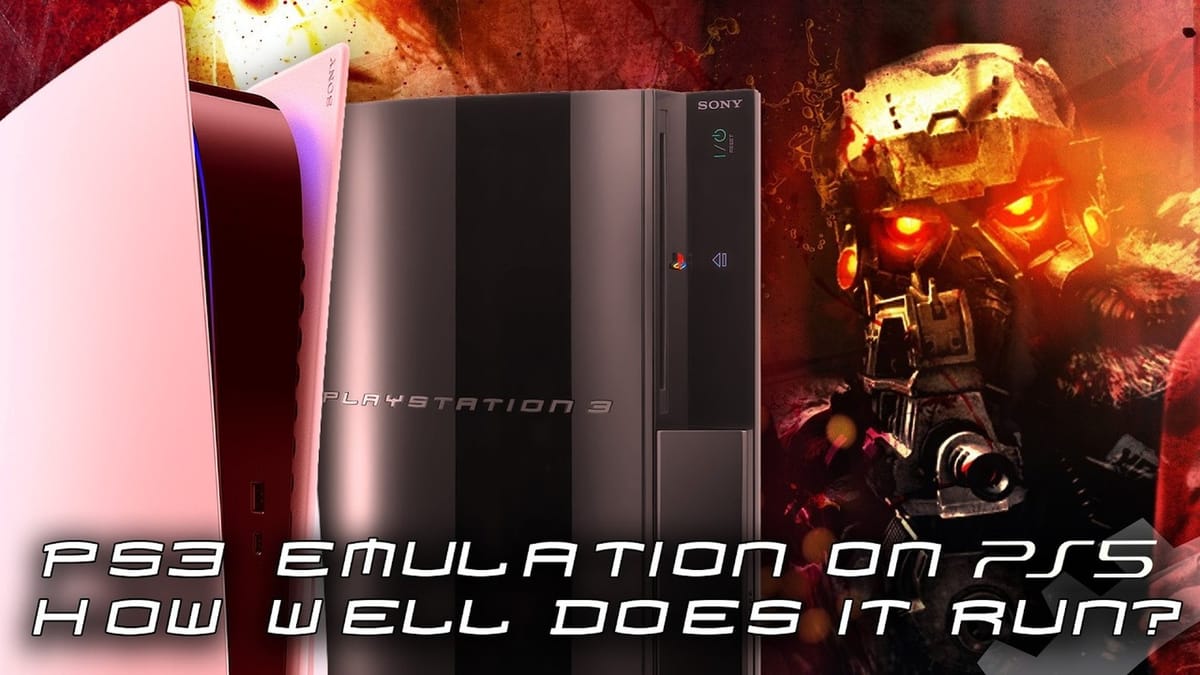
Digital Foundry tested the RPCS3 emulator running natively on a PlayStation 5 via Linux. Technology Editor Rich Leadbetter used the setup to see how well Sony's current hardware handles the notoriously complex PlayStation 3 library. The results are a mix of massive visual upgrades and hard hardware limits.
Pushing pixels with the GPU
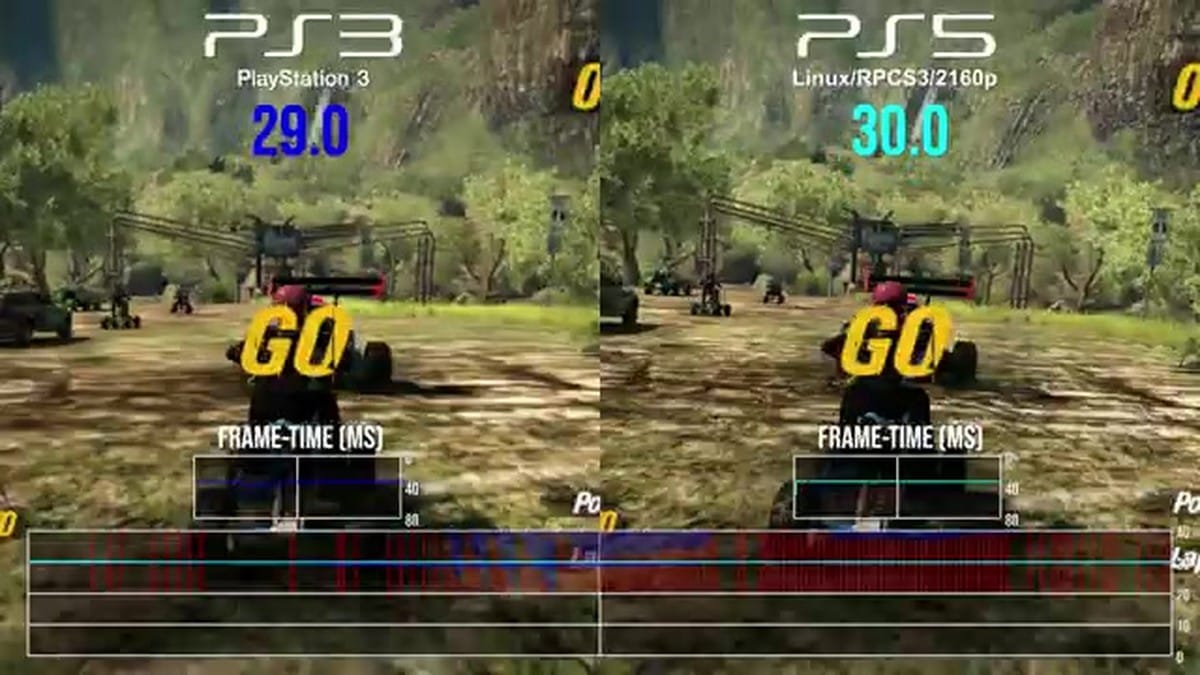
The emulator runs as a native Linux application. It uses the RadV GPU driver rather than a translation layer like Proton. This direct access lets the PlayStation 5 flex its graphical muscle. Early PS3 games scale up beautifully. Titles like Ridge Racer 7 and Resistance run at a native 4K resolution. The hardware even pushes Heavenly Sword to 5K resolution. It maintains a near-locked 30 frames per second at that size.

The visual clarity of MotorStorm: Pacific Rift at 4K is a massive upgrade over the original 720p output. The GPU handles these resolution bumps easily. The PlayStation 5 does not struggle with the graphical output of a console released in 2006. The raw compute power of the modern GPU easily brute-forces the rendering pipeline.
The CPU wall
The problems start when games heavily utilize the PS3's Cell processor. The PS5 uses a cut-down Zen 2 CPU. This chip lacks the specific instructions and raw clock speed needed to emulate the Cell's synergistic processing units (SPUs) at full speed. Leadbetter notes that the Zen 2 architecture is not recommended for PS3 emulation in the PC space. The PS5 version of that chip is even more constrained.
Games like Grand Theft Auto IV, Metal Gear Solid 4, and Killzone 2 perform worse on the PS5 than they do on original hardware. Rockstar pushed the Cell processor hard for its open-world physics and AI routines. The PS5 simply cannot keep up with the math required to translate those specific instructions on the fly. The frame rates tank, and the audio stutters.
There are workarounds for some of these CPU bottlenecks. Developers heavily used the SPUs for post-processing effects like Morphological Anti-Aliasing (MLAA). Emulating that specific task eats up around five milliseconds of processing time per SPU.
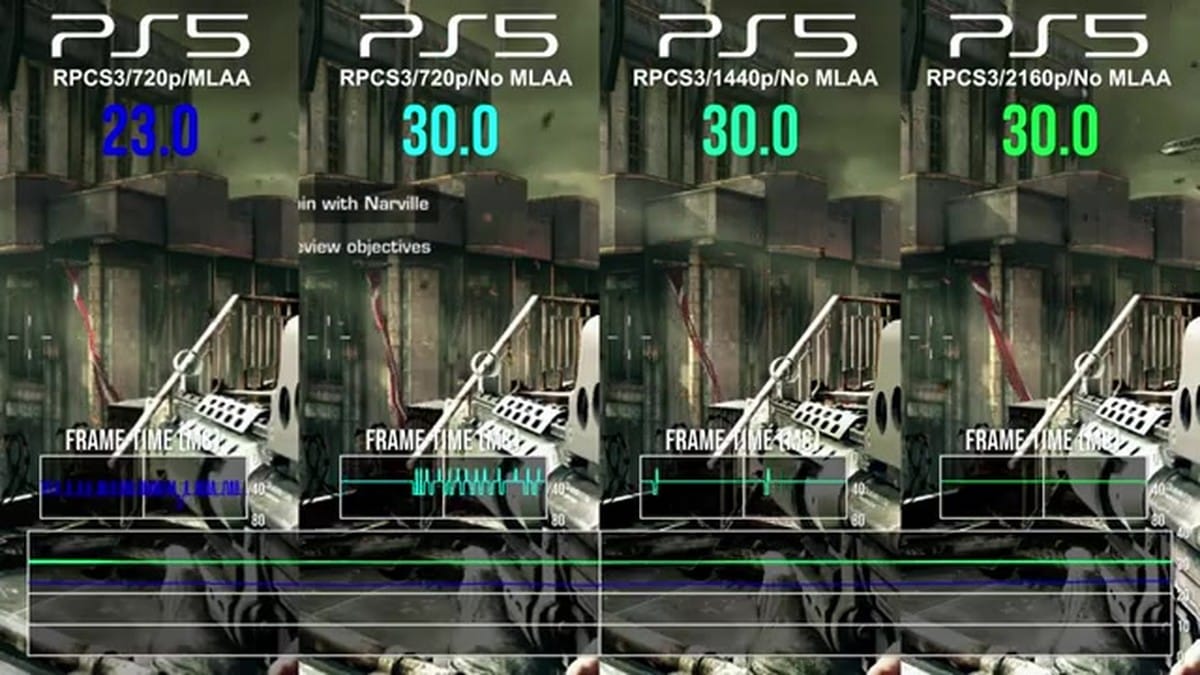
By applying game patches to disable MLAA, the CPU load drops entirely. This allows games like Killzone 3 to hit 30 frames per second at 4K. It requires community-made patches to get there, but the performance gains are real. The emulator has to do less work to translate the alien architecture. These patches show how much overhead the post-processing effects demand.
The backwards compatibility problem
Sony never built a native PS3 emulator for the PS4 or PS5. The company relies entirely on cloud streaming for its older catalog. This stands in stark contrast to Microsoft. Many Xbox 360 games run natively on Xbox One and Xbox Series hardware at higher resolutions and frame rates. The difference is architectural. The Xbox 360 used a more standard PowerPC design. The PS3 used a bespoke processor that remains difficult to decode.
Digital Foundry did a great job with this analysis. It highlights exactly what modern hardware can and cannot do with older code. The exotic nature of the Cell processor remains the biggest hurdle for revisiting PS3 games. Many of those titles were never ported to modern systems.
On PlayStation 6, there is no excuse for skipping full backwards compatibility. Emulators like RPCS3 already run great on standard PC hardware. Sony just needs to build a proper emulator into the operating system. Let players plug in a USB CD, DVD, or Blu-ray drive and play their old physical collections. The community already figured out the software side.
Comments ()