
The Legend of Kage is coming to PS5 and Switch 2 tomorrow
Hamster is bringing Taito's 1986 ninja action game to its Console Archives lineup with new quality-of-life features and CRT filters.
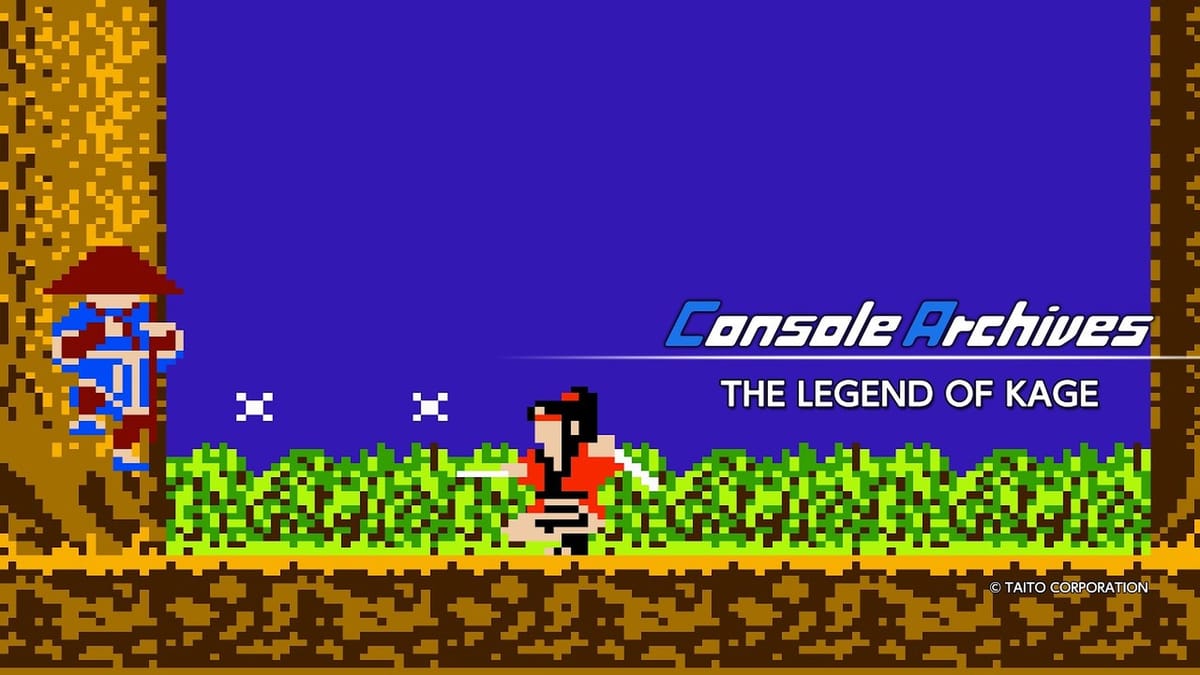
Hamster Corporation is releasing the 1986 Famicom version of Taito's The Legend of Kage for PlayStation 5 and Switch 2 on June 18. The game will cost $7.99 and joins the developer's growing Console Archives lineup.
The Legend of Kage originally hit arcades in 1985 before Taito brought it to the Famicom and NES a year later. The arcade version is already available through Hamster's Arcade Archives series. This new release specifically emulates the 8-bit home console port. The NES version actually added power-ups that were not present in the arcade original. This makes it a distinct experience despite the hardware downgrade.
The game puts players in control of Kage, an Iga ninja attempting to rescue Princess Kirihime from the villainous warlord Yoshiro Kuyigusa. The mechanics revolve around high-speed vertical movement and projectile combat. Players have an unlimited supply of shurikens and a short sword to fight off endless waves of enemies. The sword is dual-purpose. It can slice through enemies at close range, but it also deflects incoming projectiles if you time your swings correctly.
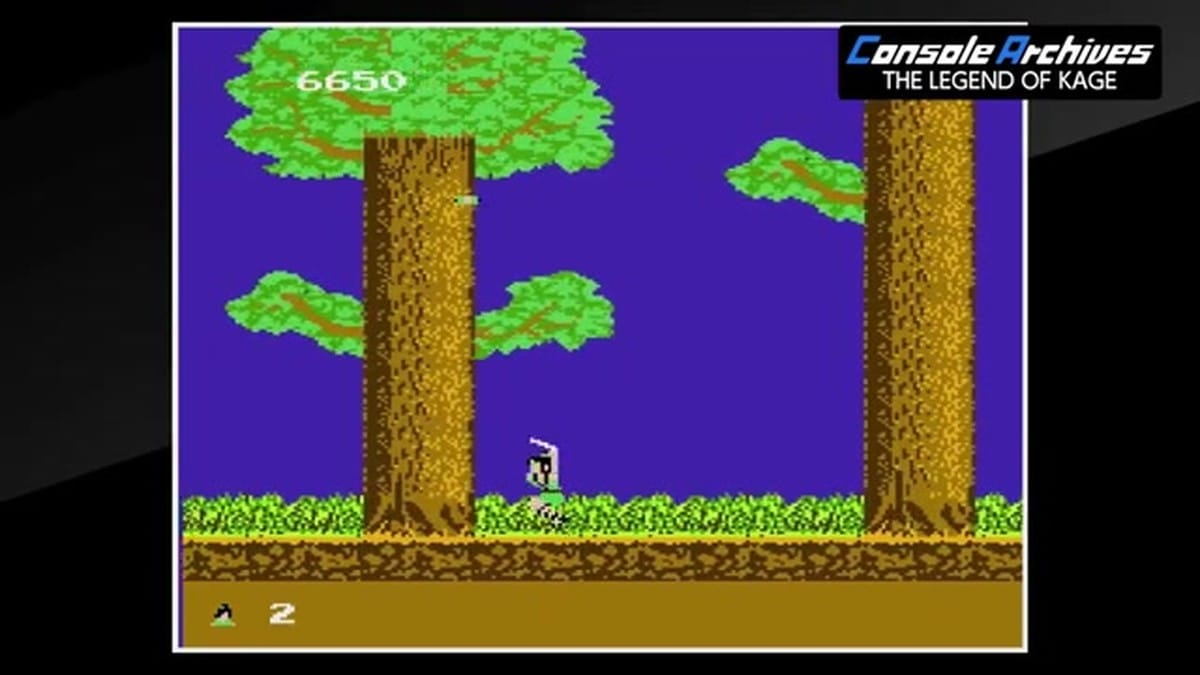
The level design relies heavily on verticality. Kage can leap dozens of feet into the air to jump between tree branches or scale castle walls. It is a frantic system that demands constant movement to survive. Enemies attack from all angles. They drop from the sky and rush in from the sides of the screen.
Four stages of action
The game is split into four distinct stages that each require a different approach. The first stage takes place in a forest where Kage must travel horizontally and defeat specific red-clad monks to advance. The second stage drops players at the base of a castle wall. You must hit a set number of kills to proceed.
The third stage shifts to pure vertical platforming as Kage scales the fortress exterior. The final stage brings the action indoors to rescue the princess and fight a boss. Completing all four stages is only the beginning. The game requires players to finish the entire loop three times to see the true ending. A different boss waits at the end of each run.
Power-ups and progression
To survive the escalating difficulty, players need to utilize the home console version's power-up system. Collecting crystal balls upgrades Kage's abilities and changes his outfit color.
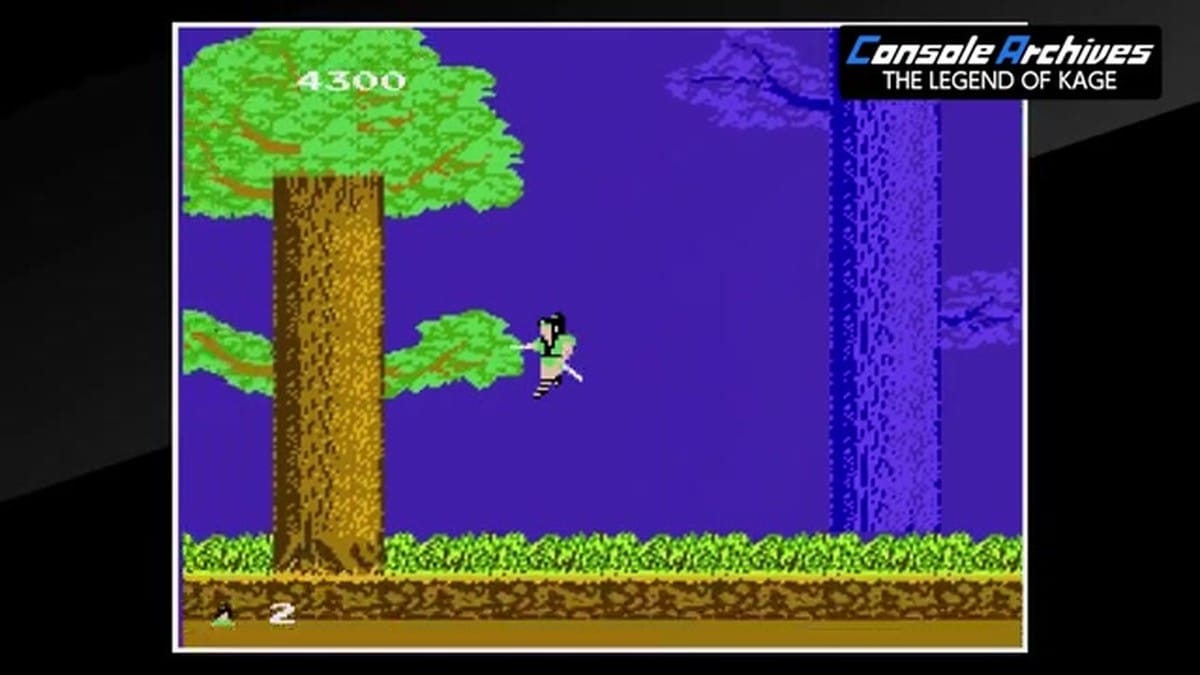
The green outfit provides enhanced speed and attack power. You need every advantage you can get. Taito programmed these enemies to swarm without hesitation, and they will quickly overwhelm a stationary player. The game throws red monks, fire-breathing enemies, and rival ninjas at you simultaneously.
Modern conveniences
The original 1986 cartridge was notoriously difficult. Hamster has added modern tools to make the experience less frustrating. The new release includes save states, customizable button layouts, and a rewind function. The rewind tool is basically mandatory unless you still have the reflexes of a teenager hopped up on Jolt Cola. It at least gives you a fighting chance against the final boss without forcing a complete restart.
Players can also adjust the screen layout and apply CRT filters to replicate the look of a 1980s television set. The visual options include simulated scanlines and screen curvature adjustments. You can tweak the intensity of the CRT effect to match specific styles of vintage tube televisions.
Hamster launched the Console Archives label earlier in 2026 to bring classic home games to modern hardware. The project acts as a spiritual successor to Nintendo's old Virtual Console service. It offers individual game purchases rather than tying retro titles to a subscription model. The lineup so far includes a mix of 8-bit, 16-bit, and 32-bit titles. This separates the home console releases from the company's long-running arcade emulation efforts. The arcade original usually gets all the attention in retro compilations. Giving the 8-bit home port its own standalone release brings back a version with completely different mechanics and power-ups.

Comments ()