
The GlyphBlaster just brought 60fps video to vintage CGA monitors
A new Raspberry Pi Pico project called GlyphBlaster manages to push 60fps video to IBM PC CGA hardware. It is a brilliant piece of technical cheating.
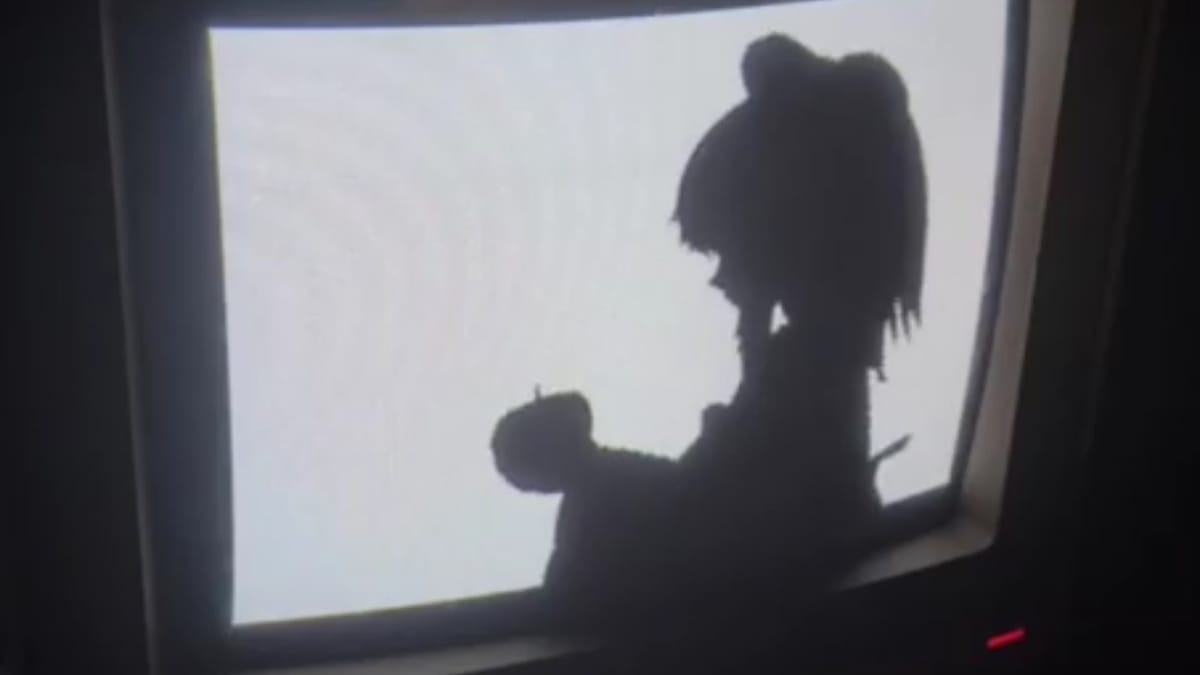
The GlyphBlaster is a new Raspberry Pi Pico-powered hardware modification that forces vintage IBM Color Graphics Adapter hardware to display full 60fps video. The project bypasses the crippling bandwidth limitations of 1980s PC architecture to render high-framerate video directly into CGA text mode.
I absolutely love projects like this. The MartyPC blog has been documenting some incredible retro hardware feats lately, and our readers should give it a follow. The creator calls this genre of hardware modification technically cheating, but the audaciousness of the engineering merits respect.
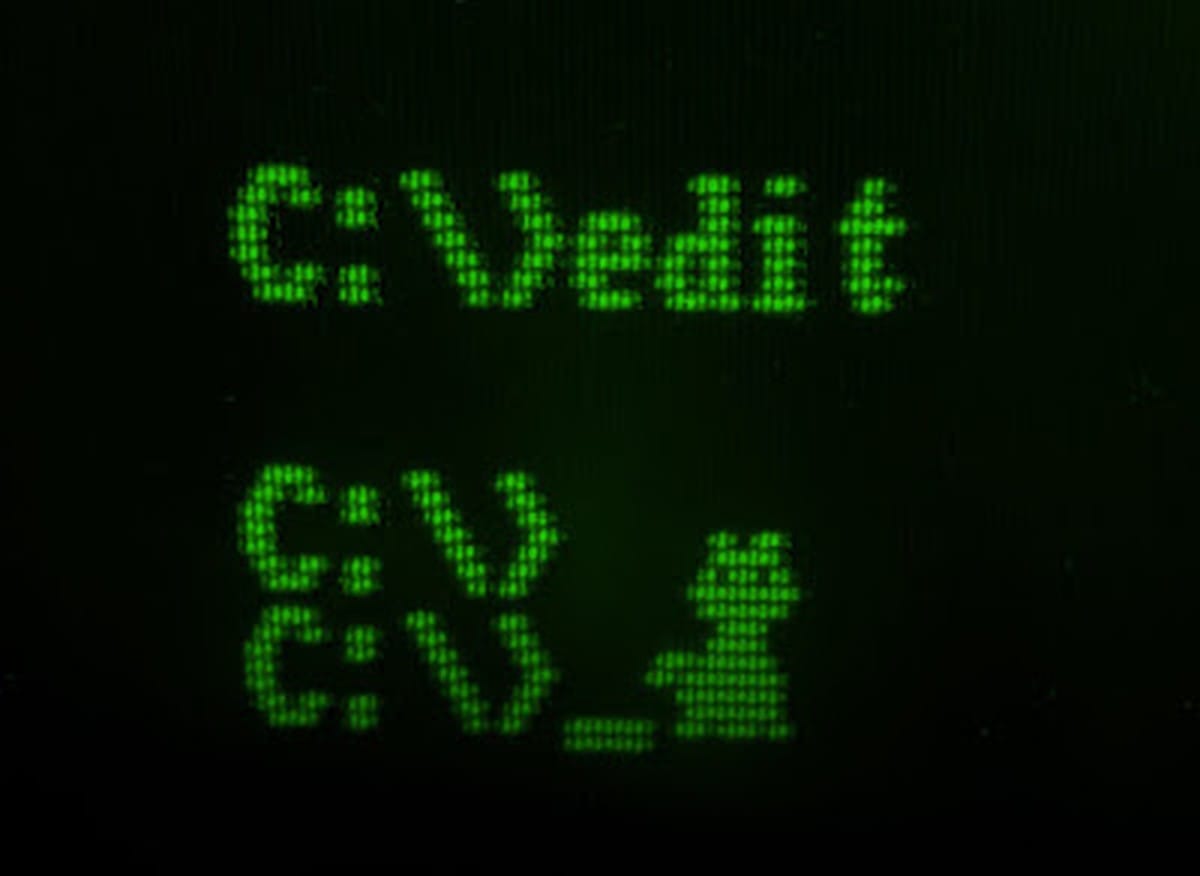
Getting smooth video out of an original IBM PC is notoriously difficult. The Color Graphics Adapter launched in 1981 alongside the IBM 5150. It was designed for business applications and rudimentary games, not multimedia playback. The 4.77MHz Intel 8088 processor and the 8-bit ISA bus simply cannot move data fast enough for modern video.
4000 bytes per frame
A standard 80x25 text mode screen requires 4000 bytes of data per frame. Half of that memory is dedicated to the characters themselves, and the other half stores the color attributes. Pushing that data at 60 frames per second means moving 240 kilobytes every single second. The original hardware chokes on that math. Attempting to update the screen that quickly on a stock IBM PC usually results in dropped frames, massive screen tearing, or the infamous CGA snow effect.
The GlyphBlaster solves this bottleneck by offloading the heavy lifting to a Raspberry Pi Pico. The modern microcontroller handles the video processing and blasts the data directly to the display hardware. The initial demonstration shows a cat video running flawlessly in text mode. Using a 133MHz dual-core ARM processor to help a 1981 graphics card draw a cat is hilarious overkill. It is essentially using a modern computer to puppet the vintage silicon.
The $4 microcontroller
The Raspberry Pi Pico has quietly taken over the retro computing hobby. At just four dollars, the RP2040 chip is cheap enough to throw at any hardware bottleneck. It has enough processing power and fast enough I/O pins to interface directly with vintage buses.
TheRasteri previously used a Pico to build the PiPU, a custom NES mapper that allowed the 8-bit console to run DOOM. That project proved that the tiny microcontroller could act as a powerful coprocessor for aging systems.
TheRasteri's PiPU project running DOOM on an NES.
Since then, the PC enthusiast community has built an entire ecosystem around the chip. The PicoGUS emulates the Gravis Ultrasound sound card, replacing a piece of hardware that routinely sells for hundreds of dollars on eBay. The PicoMEM replaces aging ISA memory and storage drives, and the PicoIDE provides modern drive emulation.
The GlyphBlaster is the latest entry in this growing list of projects that use modern microcontrollers to give vintage PCs superpowers. It works, which is the nicest thing I can say about the absurdity of putting a dual-core ARM chip inside a 45-year-old computer just to watch videos.


Comments ()