
Square Enix brings four classic Final Fantasy RPGs to GOG, DRM-free
Final Fantasy III, IV, VIII, and IX are now available without digital rights management, preserving the 3D remakes and PlayStation classics.
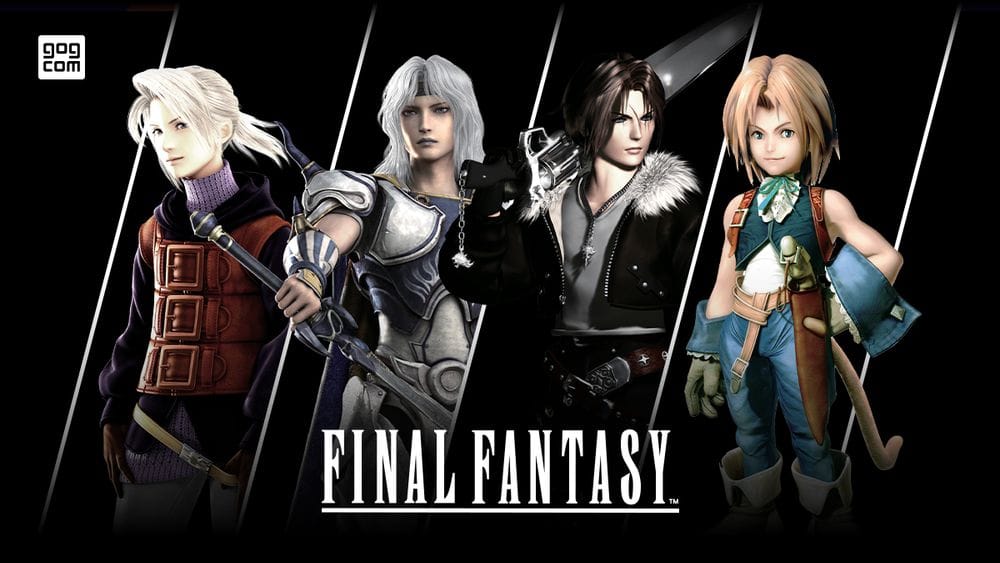
Digital storefront GOG has announced the immediate availability of Final Fantasy III (3D Remake), Final Fantasy IV (3D Remake), Final Fantasy VIII Remastered, and Final Fantasy IX on its platform. This release marks a significant expansion of Square Enix's catalog on the service, allowing users to purchase and download these role-playing games without the requirement of client-side launchers or persistent internet connections.
It is a good day for people who like their existential teenage angst and chocobo breeding programs to be fully offline. While Square Enix has slowly migrated its back catalog to PC over the last decade, seeing a major publisher drop four heavyweight titles onto a DRM-free platform at once is rare. Usually, we have to wait for a specific planetary alignment or a shareholder meeting gone wrong for this kind of preservation win.
The 3D Remakes: A Specific Flavor of Nostalgia
The inclusion of the "3D Remakes" of Final Fantasy III and IV requires some clarification for those who haven't tracked the dozen different versions of these games. These are not the recent Pixel Remasters that adhere strictly to the original 2D sprite work. Instead, these are ports of the Nintendo DS versions developed by Matrix Software in 2006 and 2007.
These versions feature a distinct "chibi" art style and full 3D polygons. For Final Fantasy III, this version is historically significant because it gave the four protagonists actual names (Luneth, Arc, Refia, and Ingus) and personalities, whereas the 1990 Famicom original featured generic blank-slate Onion Knights. It was also the first time the West officially received Final Fantasy III, finally closing the confusing numbering gap that plagued North American gamers for the entire Super Nintendo era.
The Final Fantasy IV 3D remake is known for being notoriously difficult compared to its SNES counterpart. It introduced the "Augment" system, which allows players to inherit abilities from temporary party members. If you missed a specific item in a specific room ten hours ago, you might find the final boss mathematically impossible. It is a harsh lesson in 1990s game design philosophy delivered via 2000s portable hardware.
The PlayStation Era
The drop also includes Final Fantasy VIII Remastered and Final Fantasy IX. The remaster of VIII, originally released in 2019, updates the character models to look sharp on modern high-resolution displays. However, this creates a visual disconnect that fans have debated since launch: the pristine, high-poly characters often look like they are floating on top of the original, low-resolution pre-rendered backgrounds. It is a bit like pasting a 4K sticker onto a blurry oil painting.
Final Fantasy IX remains the series' love letter to itself. Released in 2000 as the PlayStation 1 was winding down, it rejected the sci-fi aesthetics of VII and VIII to return to castles, black mages, and crystals. The PC port includes the usual suite of "boosters" found in modern re-releases, such as the ability to turn off random encounters or maximize damage. These features are vital for anyone who wants to experience the story without grinding through random battles that run at 15 frames per second.
Preservation and Access
The arrival of these titles on GOG is a victory for game preservation. Square Enix has a checkered history with PC ports, often utilizing Denuvo anti-tamper tech or requiring constant server check-ins even for single-player experiences. By offering offline installers, GOG ensures that these specific versions of the games will remain playable regardless of what happens to authentication servers in the future.
This is particularly important for the 3D remakes of III and IV. With the release of the Pixel Remasters, the 3D versions have somewhat fallen out of marketing favor. Having a DRM-free backup ensures that Matrix Software's unique interpretation of these classics remains accessible, distinct from the 2D revivals that currently dominate the conversation.
The games are available individually or as part of the broader Square Enix sale currently running on the storefront. There is no word yet on whether Final Fantasy VII (the original) or the Tactics series will join them, but for now, four massive RPGs should be enough to keep your backlog unmanageable for at least another year.

Comments ()