
Sony's new controller patent replaces buttons with a touchscreen
Sony Interactive Entertainment filed a patent for a controller that swaps physical face buttons for a customizable touchscreen. It looks very familiar.
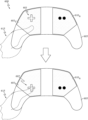
Sony Interactive Entertainment has filed a patent for a PlayStation controller that replaces traditional physical face buttons and D-pads with a customizable touchscreen surface. The patent for an "Adaptable Surface for an Entertainment System" was published on August 15, 2024.
According to the Google Patents filing, the device lets players rearrange virtual buttons to fit their hands. You can resize touch zones or turn them off entirely when a game only requires a few inputs. The patent describes optical sensors located under the surface that detect a finger approaching before it even makes contact. It also includes gesture support for taps, swipes, pinches, and joystick-like movements across the glass. Lighting can mark reference points to help you see where active zones sit.
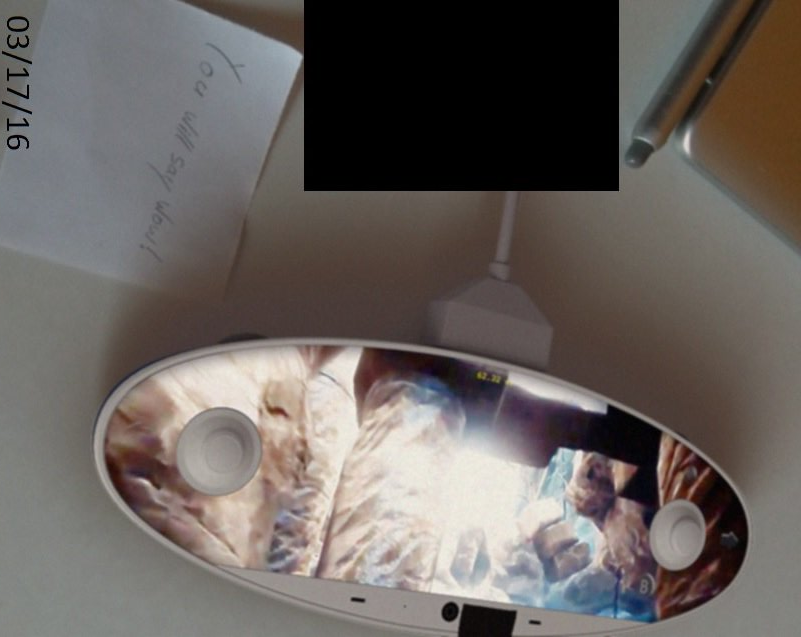
It looks like the 2016 NX hoax. Kinda.
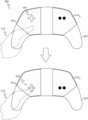
If the patent drawings look familiar, they perfectly mirror the infamous Nintendo NX controller hoax from a decade ago. Back in 2016, multiple reports surfaced online claiming to show the new console pad. A Reddit user named Idriss2Dev posted photos of an oval-shaped controller with a giant screen covering the entire face and two analog thumb pads protruding through the glass.
It was later revealed to be a 3D-printed fake created by Frank Sandqvist. I still remember when those photos circulated and convinced half the internet. Sony's new patent drawings look almost identical to that 3D-printed mockup.
The BlackBerry Storm2 is the minimum bar
A touchscreen controller sounds cool on paper. In practice, non-haptic touch buttons would never work on a traditional gamepad. Players need tactile feedback to know they pressed a button without looking down at their hands. A flat piece of glass ruins muscle memory.
For a design like this to actually function, it would need at least the haptic feedback quality of the BlackBerry Storm2. According to The Verge, the original 2008 BlackBerry Storm used SurePress technology to turn the entire screen into one giant mechanical switch. It was notoriously awful to type on. The 2009 Storm2 improved this by using four piezoelectric sensors under the glass to simulate localized clicks. That 17-year-old phone is the absolute minimum bar for making a glass controller feel usable.
Nintendo kept the physical buttons
Other companies are exploring touch inputs with a much more conservative approach. Nintendo filed a separate patent in early 2025 for a controller that detects touches in addition to physical presses.
Instead of replacing the buttons with a screen, Nintendo's concept puts touch sensors on top of standard Joy-Con style buttons. Players could glide a finger across two physical buttons to trigger a specific skill. The Nintendo patent also suggests using clockwise finger glides for flipping pages in e-books or detecting directional flicks for rhythm games.
I think Sony's adaptable layout is a fascinating concept for accessibility. Being able to move the D-pad to the right side or create massive touch targets for simple puzzle games solves real problems for players with different motor needs. But patents are not products. Hardware companies patent wild ideas constantly to protect their research and development. I do not expect to see a buttonless DualSense on store shelves anytime soon.


Comments ()