
Epilogue's Playback update bypasses dead cartridge batteries
The software update feeds your computer's clock to Game Boy cartridges with dead batteries. It arrives just as the SN Operator prepares to ship.
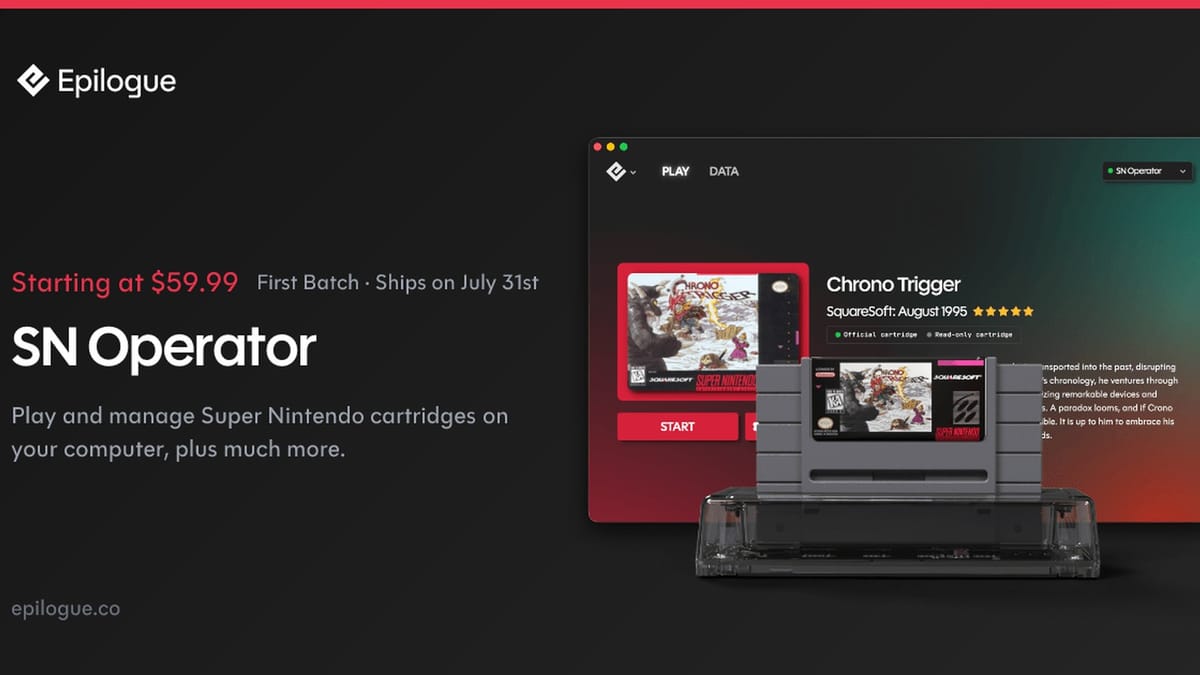
Epilogue has released version 1.10.0 of its Playback software. The update adds a clever workaround for dead cartridge batteries just as the company's new SN Operator hardware prepares to ship. The patch focuses heavily on accuracy and quality-of-life improvements for Game Boy and Game Boy Advance titles.
Super Nintendo on a laptop
The software update arrives as the SN Operator prepares for its first batch shipment. Epilogue is a boutique hardware manufacturer best known for the GB Operator, a device that lets you play original Game Boy cartridges on modern hardware. The new SN Operator does the exact same thing for Super Nintendo and Super Famicom games. It costs $59.99 and connects via USB to Windows, macOS, and Linux machines.
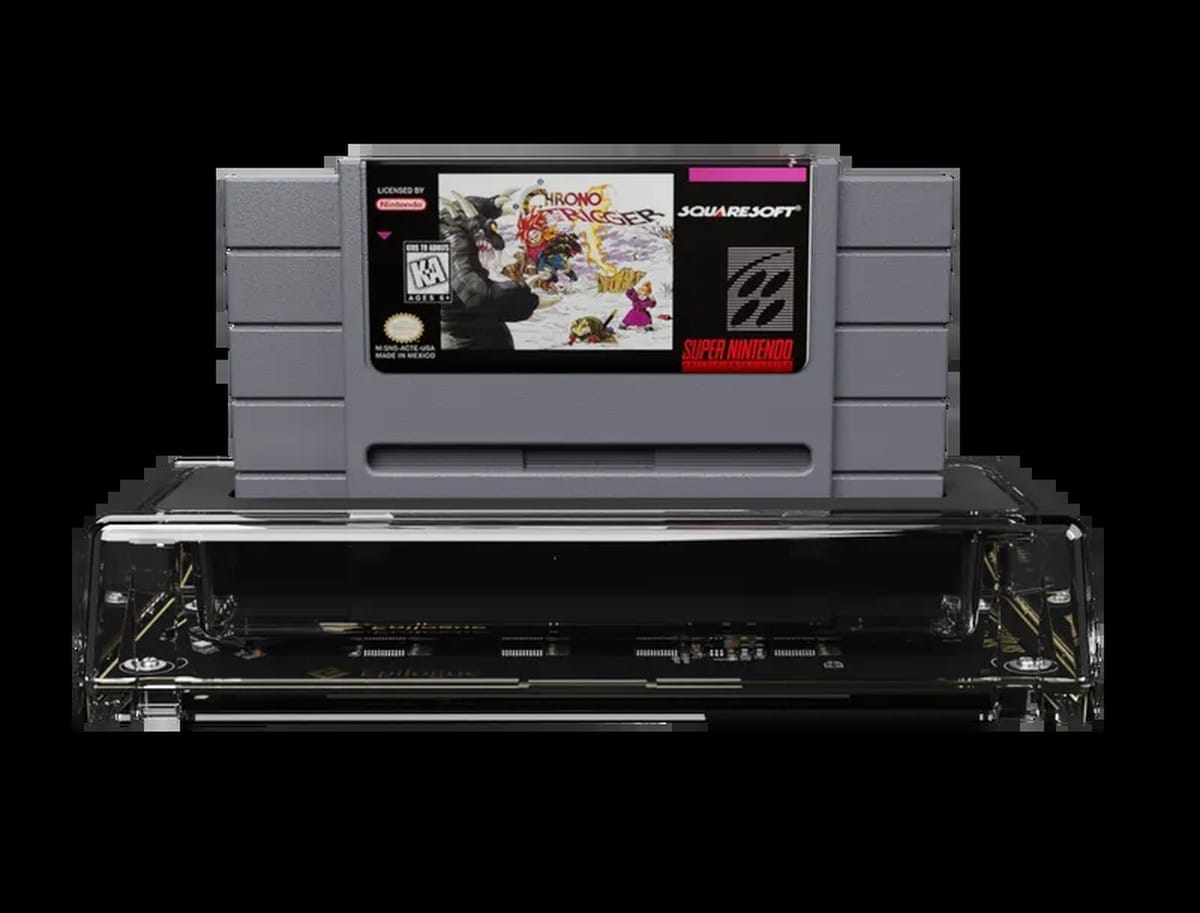
The device dumps the ROM and save data directly from the physical cartridge into the Playback app. From there, you can play the game using an integrated emulator, sync your saves to the cloud, and unlock RetroAchievements. The hardware includes overcurrent protection and connection-stability checks to prevent damage to 35-year-old circuit boards.
The SN Operator also supports local co-op play and modern controller inputs. It essentially turns a laptop into a portable Super Nintendo. You can also bypass the built-in Playback software entirely and use the hardware to dump your legal ROMs for use in other emulators like RetroArch or standalone SNES9x.
Time starts moving again
The biggest addition in Playback version 1.10.0 is a fix for dead real-time clocks. Cartridges like Pokémon Gold, Silver, and Crystal rely on an internal coin cell battery to track the time of day. When that battery dies, the in-game clock stops entirely. Berry trees stop growing. Daily events break. The day-night cycle freezes.
Playback now detects when a cartridge has a dead clock battery and automatically feeds it the host computer's system time. The game runs normally, completely bypassing the hardware failure. This works for original Game Boy Color titles as well as Game Boy Advance games like Pokémon Ruby, Sapphire, and Boktai.
Boktai is a great example of why this matters. Hideo Kojima's vampire-hunting action game used a physical solar sensor on the cartridge, but it also relied heavily on the internal clock to track daylight hours. Without a working battery, the game becomes nearly unplayable.
One less audio bottleneck
The update also overhauls the underlying emulation core. Playback uses mGBA, which is widely considered the most accurate Game Boy Advance emulator available today. Version 1.10.0 pulls in a full year of upstream updates from the mGBA development team. This includes proper GBA clock support at the emulator level, fixes for rumble cartridges, and a long list of timing corrections.
The audio pipeline got a much-needed cleanup as well. Previous versions of Playback relied on a community fork of mGBA that converted the audio signal internally before passing it to the app. The app then converted it a second time for your specific audio hardware. That double conversion caused subtle latency and distortion.
The new version removes the middle step entirely. The emulator now hands the raw audio directly to Playback. The Game Boy Advance is notorious for its crunchy, compressed audio output. The original hardware lacked a dedicated sound chip. Developers had to mix audio via software using the CPU. Getting that sound to emulate cleanly without adding extra latency is a well-known headache in the emulation scene. Removing a redundant conversion layer makes a noticeable difference in games with complex soundtracks like Mother 3 or Golden Sun.
Comments ()