
RPCS3 now plays PS3 discs directly on Mac and Linux
The PlayStation 3 emulator has officially expanded its direct disc playback feature to Linux, macOS, and FreeBSD.
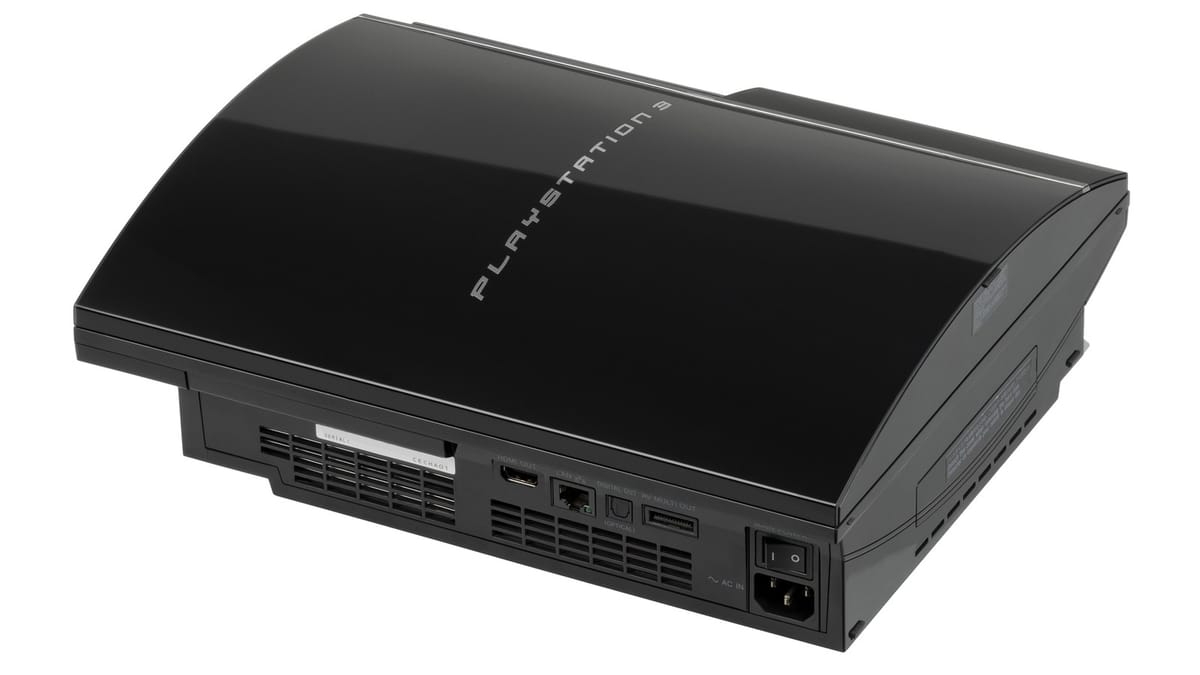
The PlayStation 3 emulator RPCS3 has officially expanded its direct disc playback feature to Linux, macOS, and FreeBSD. The development team announced the wide public rollout on September 6, bringing the rest of the supported operating systems up to speed with the Windows version that debuted in April.
According to the official RPCS3 X account, the feature allows users to play physical media released up to 20 years ago without relying on servers or dumping utilities. You just put the disc in the drive and play.
You probably need an external drive
The biggest hurdle is that most modern PC cases don't even have a slot for an optical drive anymore. I'm curious to see how many people actually go out and buy an external Blu-ray reader just for this, but the RPCS3 team maintains a quickstart guide listing supported models. Sony's seventh-generation console was the first to use high-definition Blu-ray media, which made emulation and game dumping notoriously difficult for years.
Before this update, playing a physical PS3 game on PC was a massive chore. You had to install custom firmware on an actual PlayStation 3 console, run a homebrew application like MultiMAN, and FTP the files over your local network to your computer. For massive games like Metal Gear Solid 4 or The Last of Us, that process could take hours.
Decryption on the fly
The cross-platform expansion was driven by contributors digant73 and Megamouse. The code changes, finalized in pull request #19233 on August 31, add raw device access and on-the-fly decryption for the remaining operating systems.
The update also includes specific technical fixes, like resolving buffer alignment crashes on macOS and forcing the emulator to use a single thread when installing package files from an optical drive. To make the plug-and-play system work, you just need the corresponding game decryption keys from the Redump database placed in the emulator's data folder. The software handles the rest.
Fifteen years of development
Development on RPCS3 started in May 2011. The PS3's complex Cell Broadband Engine architecture was a massive roadblock for early emulation efforts. The console used one main processor core and several Synergistic Processing Elements, and getting those components to sync properly on standard PC hardware took years of intense optimization.
The community has now brought over 70 percent of the commercial library to a fully playable state. Adding native plug-and-play disc support is a massive quality-of-life upgrade for that library. I want to see how well the on-the-fly decryption handles games that heavily stream data from the disc, but the sheer convenience of bypassing the dumping process entirely is hard to overstate.


Comments ()