
3dSen's version 2.0 update adds sub-voxel rendering and OpenXR support
Geod Studio has rolled out version 2.0 of 3dSen PC and 3dSen VR, adding sub-voxel modeling, Run Ahead input lag reduction, and OpenXR support.
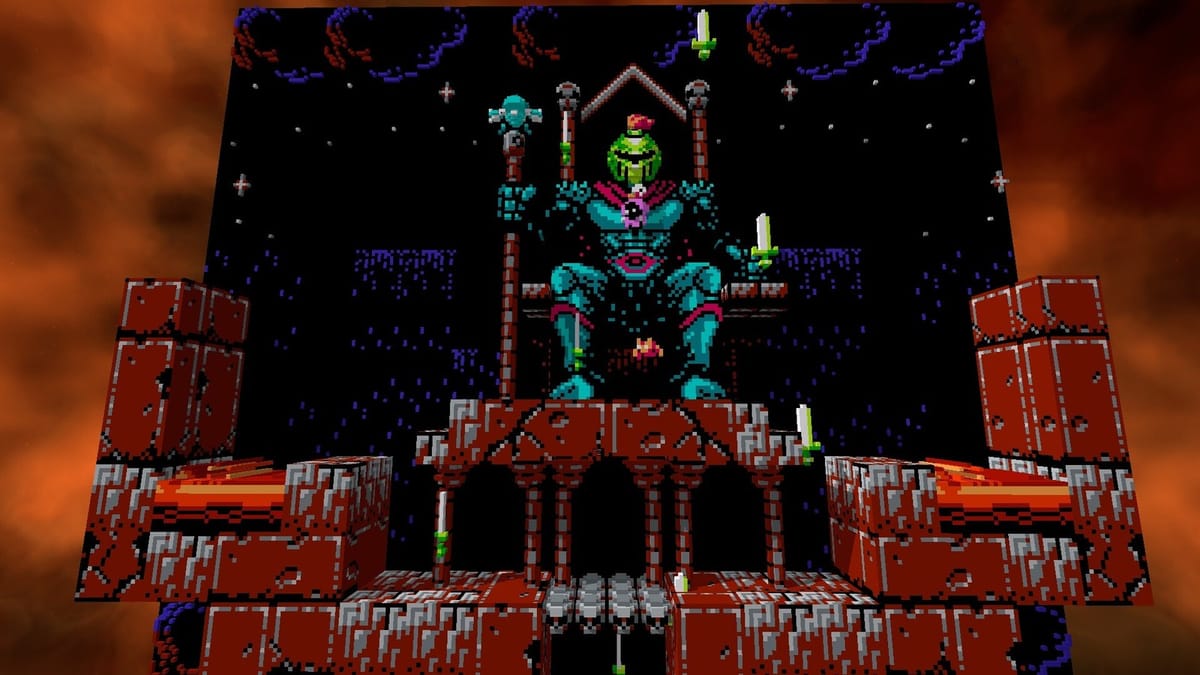
Vietnamese solo developer Tran Vu Truc and Geod Studio have released version 2.0 of 3dSen PC and 3dSen VR, the emulator that rebuilds 2D Nintendo Entertainment System games as real-time 3D voxel dioramas. Subtitled "Sub-voxel, bend it, shade it, make it shine," the patch overhauls the user interface, replaces the VR backend with OpenXR, and adds sub-voxel surface modeling alongside Run Ahead latency reduction.
Truc calls the patch his "biggest overhaul yet." While most emulators focus on cycle accuracy or CRT shader math, 3dSen intercepts 2D sprite patterns, background tiles, and color palettes to extrude flat 8-bit graphics into rotatable 3D spaces with dynamic lighting and real-time shadows.
Smoothing out the blocks without losing the plot
The centerpiece of version 2.0 is a rendering option called Retina mode. Instead of treating every original NES pixel as a rigid cube, Retina uses sub-voxel modeling to sculpt rounded, smooth surfaces that cut across voxel boundaries. It pairs with a new visual effects suite that adds adjustable reflections, shading, pixel shadows, voxel grooves, and world curvature, plus 2x and 4x anti-aliasing options.
All of those extra visual toggles ship switched off by default so the classic boxy look stays intact until you start tinkering. You can preview the shader and curvature tweaks live over a paused game.
On the emulation accuracy side, 2.0 fixes thin cracks, dark dots, and seams between 3D tiles while cutting down on loading stutters. It also turns on Run Ahead by default to shave off input delay, and adds a console-style Soft Reset option so games that track high scores across resets behave like original hardware.
A decade of hand-built 8-bit dioramas
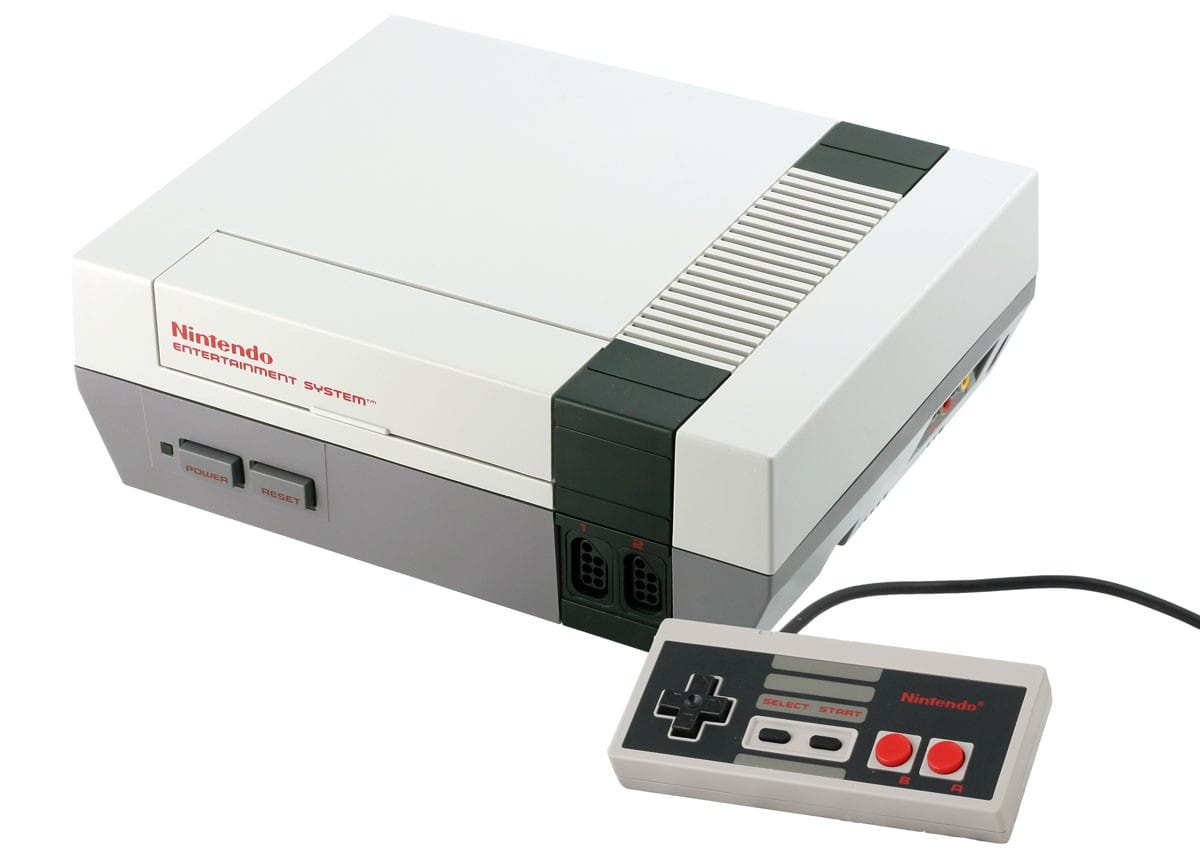
Truc started working on the project in 2015 and first showed it off as a viral browser prototype called 3DNes in March 2016. Those early builds tried to convert any NES ROM automatically using shape-recognition heuristics, an approach that struggled whenever an 8-bit developer got creative with background tiles. Spending ten years manually extruding 1980s brick tiles is an extreme way to avoid playing a flat screen, yet the results speak for themselves.
Geod Studio eventually dropped automatic detection in favor of hand-authored 3D profiles tailored to individual games, alongside a companion tool called 3dSen Maker for community profile creation. The emulator spent five years in Steam Early Access starting on June 19, 2020, before hitting version 1.0 on June 19, 2025. The library covers more than 100 commercial and homebrew NES games, including Super Mario Bros., The Legend of Zelda, Contra, Metroid, and Micro Mages. As always, you have to supply your own ROMs.
OpenXR and a frontend built for controllers
Both editions share a redesigned library browser that supports list and grid views with box art, search filters, favorites, and full gamepad navigation with an on-screen keyboard. Reopening the emulator now prompts you to either resume your exact previous session or discard it to boot fresh.
For headset owners, 3dSen VR has migrated to the OpenXR standard, simplifying compatibility across modern PC VR hardware. The VR build also picks up a Scene Scale adjustment tab and full controller button remapping for functions like Rewind, Fast Forward, and Quick Save.
Pick up 3dSen PC on Humble Bundle.
Some links in this article are affiliate links. Purchases made through them help support Pants Pants Revolution at no extra cost to you.

Comments ()