
melonRA brings native RetroAchievements to the melonDS desktop app
Open-source developer ppkkkkk has released melonRA, a standalone fork of the Nintendo DS emulator melonDS with built-in RetroAchievements, a game library grid, and per-game settings.
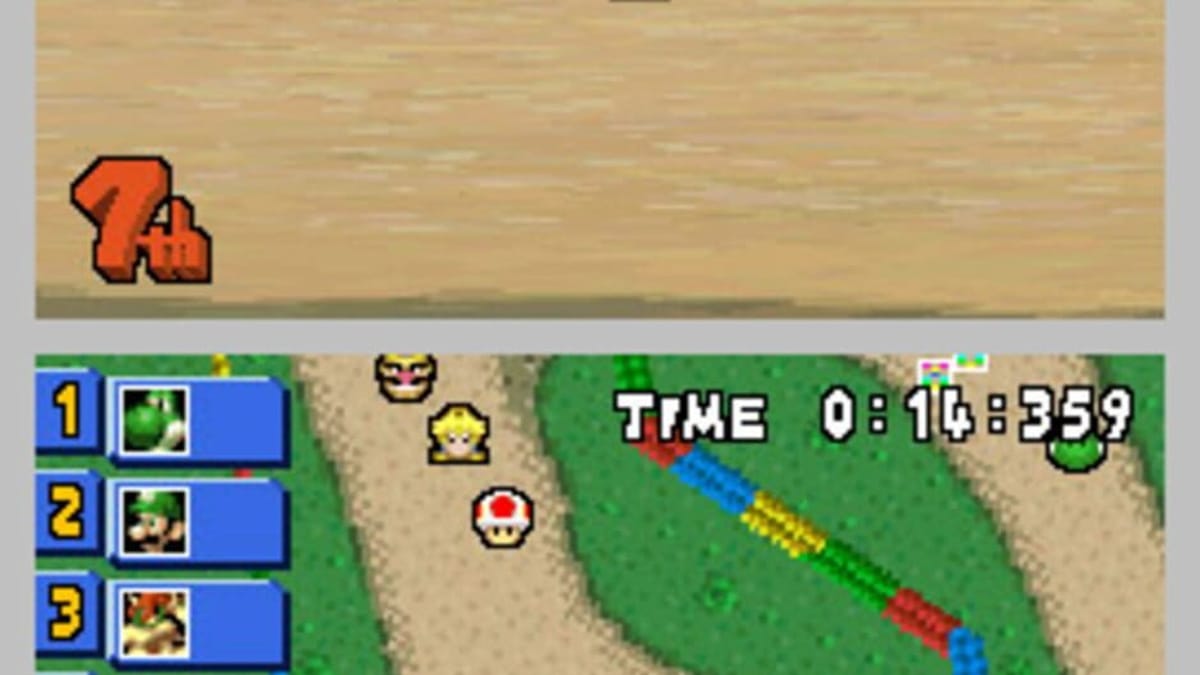
Open-source developer ppkkkkk has released melonRA, a desktop fork of the Nintendo DS and DSi emulator melonDS that adds built-in RetroAchievements support alongside a redesigned game library and per-game configuration options. Version 0.1.0 is out now under the GPLv3 license with pre-compiled binaries for Windows (x86_64) and Linux (as an AppImage), while macOS and Nix users can compile it directly from source.
Arisotura first created melonDS in 2016 as a fast, cycle-accurate alternative to older DS emulators, and it has since grown into the go-to desktop option for dual-screen handheld games like Mario Kart DS and New Super Mario Bros. Standalone emulators like PCSX2 and DuckStation have had native RetroAchievements tracking for years, which was founded in 2012 by Scott Breen to bring custom trophy lists and leaderboards to classic consoles. Meanwhile, the official desktop build of melonDS still lacked it. Until now, earning DS achievements on a PC meant running the melonDS core inside a multi-system frontend like RetroArch, which isn't how everyone wants to manage their library.
What melonRA adds to the base emulator
MelonRA embeds the rcheevos library straight into the standard Qt and SDL desktop interface, storing a login token rather than your raw password after the initial sign-in. Once logged into a RetroAchievements.org account, the emulator handles automatic game detection and supports subsets, encore mode, spectator mode, and unofficial achievements. Hardcore mode is included too, though it's currently flagged as a work in progress.
Casual mode supports offline play. Any game booted at least once while connected to the internet caches its achievement data locally and queues up unlocks to sync the next time you're online. A customizable on-screen overlay tracks active challenges, progress indicators, and leaderboards during gameplay, and x64 or x86 Windows users can download the RA_Integration-x64.dll developer toolkit directly through the settings menu to author new achievement sets.
The fork borrows heavily from the interface improvements seen in DuckStation and Dolphin rather than stopping at trophy hooks. Instead of booting into an empty gray window and digging through file menus, melonRA adds a visual game list with region flags, search and sorting tools, and a box art grid pulled from GameTDB and libretro thumbnails, complete with achievement progress bars and mastery stars.
Each title in that list can hold its own profile for graphics, screen layouts, emulation rules, and cheats. The fork also adds a server picker in the Wi-Fi settings to switch between community revival servers like Wiimmfi, Kaeru WFC, or a custom DNS without manually typing IP addresses every time. Dedicated hotkeys let you rotate the dual screens or cycle through layout and sizing presets mid-game, which is a massive relief when switching between standard games and sideways book-style titles like Hotel Dusk: Room 215 or Brain Age. You can also pack all of your settings into a single backup file to move your setup between computers, and a built-in updater handles Stable and Nightly release channels automatically on Windows and the Linux AppImage.
A note on how the fork was built
In the repository's documentation, ppkkkkk is upfront about using AI coding tools to help assemble the fork, framing the project as a stopgap until official support or a cleaner implementation comes along.
"I am not a developer with much finesse, but new technologies make it easier every day to mold things in a direction that you'd like them to," ppkkkkk writes in the project README. "I can at least say I polish up on visuals and stuff that AI could never replace to a T, my end goal is to have a temporary solution until something better comes along the way."
I'm curious to see how the hardcore mode compliance and netplay stability hold up under heavy use given the AI-assisted codebase, though the repository includes thorough technical breakdowns of how the DS memory map, savestates, and network synchronization are wired together. For players who just want to pop achievements in Pokémon Platinum from a clean standalone window without wrestling with RetroArch menus, melonRA fills an obvious gap right now.


Comments ()