
Rolling Thunder gets an unofficial Amiga AGA remake from JOTD
French developer JOTD and musician no9 have released a free, arcade-transcoded port of Namco's 1986 shooter, replacing Tiertex's notorious 16-bit conversion.
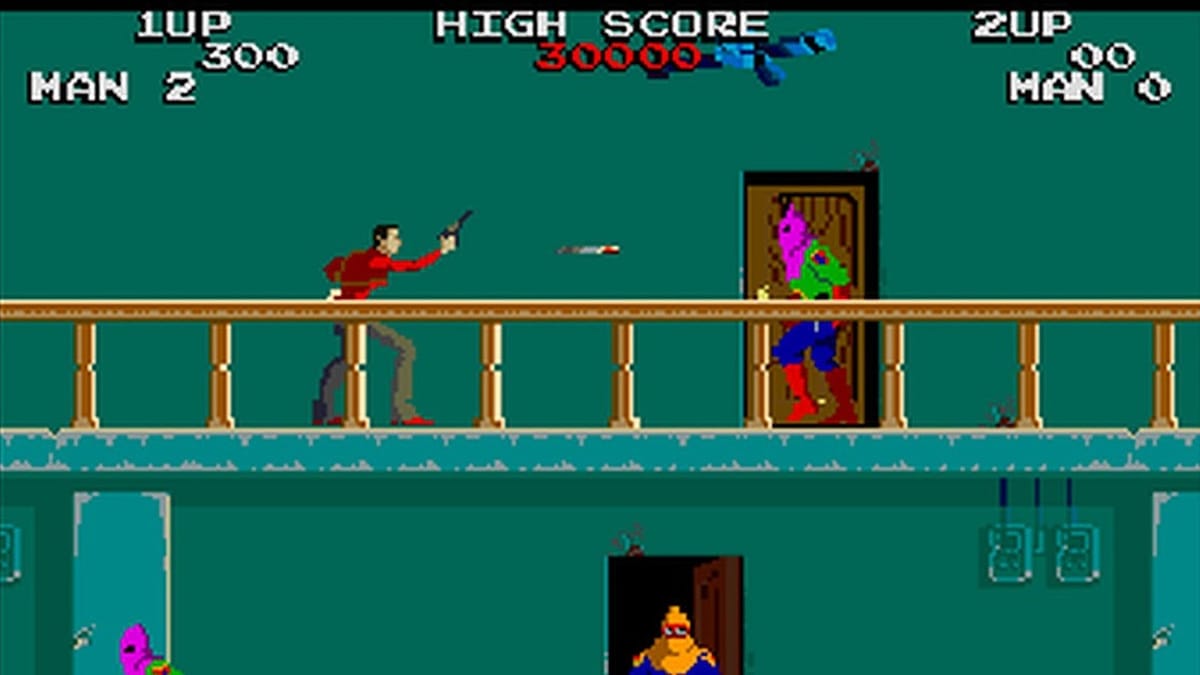
French Amiga developer Jean-François "JOTD" Fabre, collaborating with Polish tracker musician no9, has released an unofficial Amiga AGA remake of Namco's 1986 arcade run-and-gun game Rolling Thunder. Available as a free download on itch.io and covered on Sunday by Indie Retro News, the port replaces the notoriously poor 1988 commercial conversion with a direct transcode of the original coin-op ROMs.
First shown off as a work-in-progress on the English Amiga Board on October 7, followed by alpha gameplay footage on October 29, the completed release went live earlier this month. Rather than patching old home computer code, JOTD built this version from the ground up for Commodore's 1992 Advanced Graphics Architecture (AGA) hardware.
Erasing a 258x198 mistake
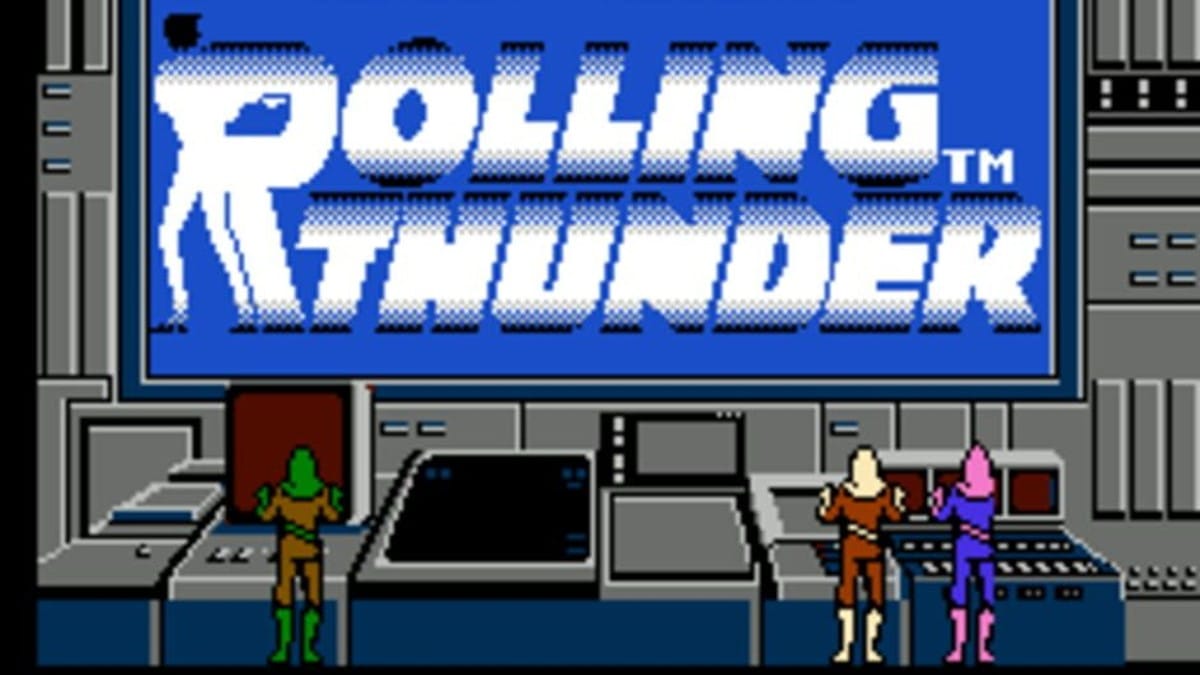
Namco's Rolling Thunder arrived in Japanese arcades in December 1986 on System 86 hardware, putting players in the shoes of WCPO agent Albatross as he ducked behind doors and counted bullets to rescue Leila Blitz from the Geldra organization. Its cover-based gunplay and espionage style helped inspire Sega's Shinobi and Namco's own Time Crisis series, spawning an arcade and Sega Genesis sequel in 1991 and a Genesis-exclusive third entry in 1993.
European home computer owners got a much worse deal. U.S. Gold contracted British studio Tiertex Design Studios to handle the 1988 Amiga port, which was Tiertex's very first 16-bit project. Built to share code with the Atari ST version, it crammed the action into a tiny 258x198-pixel window (roughly 62 percent of a PAL display) and ran at a sluggish crawl. Calling a port "not even Tiertex's worst" is faint praise from a studio that also inflicted 16-bit Street Fighter and Strider II on the public, and even after coder McGeezer released a blitter-assisted speed hack for that original version in April 2022, the underlying conversion couldn't really be saved.
Dual 6809s and a 68040 catch
JOTD has spent over two decades in the Amiga scene building the JST hard-drive launcher, authoring hundreds of WHDLoad installers, and creating 1:1 arcade conversions, including CPU-translated transcodes like Pacman500 and an AGA port of Commando as well as an AGA adaptation of Bad Dudes vs. DragonNinja that runs patched original 68000 arcade code. For Rolling Thunder, he used his custom 6809to68k tool to translate the arcade board's dual-6809 CPU assembly directly into Motorola 68020 instructions, adapting eight-way scrolling code from an earlier Ghosts 'n Goblins project while no9 converted Junko Ozawa's arcade score into Protracker format for the Amiga's Paula audio chip.
On the itch.io page and forum development thread, JOTD also disclosed using Claude AI alongside his manual assembly work. Because Namco's non-standard sprite system breaks standard MAME tile-ripping tools and syncs two CPUs via semaphores inside interrupt requests, he used the assistant to help rip ROM graphics, write the dual-IRQ task-switching routine, and hunt down typos in jump tables.
You'll need real muscle to run it at full speed. The game requires an AGA machine like an Amiga 1200 or 4000, WHDLoad, a two-button joystick, and Fast RAM (8MB is recommended, though 4MB worked in testing). It renders both arcade tile layers in 64 colors, hitting a smooth 50Hz on 68040 or 68060 accelerators and dropping to a playable 25Hz on 68020 or 68030 setups. Requiring an '040 for full arcade framerate is steep for original hardware owners, though anyone running WinUAE or a MiSTer FPGA core won't feel the pinch. After 38 years, it's a relief to finally see Albatross fill the whole screen.
Comments ()