
The Nintendo Wii now runs Mac OS X Cheetah
Developer Bryan Keller successfully ported Apple's 2001 operating system to the Wii, proving a Reddit commenter wrong in the process.
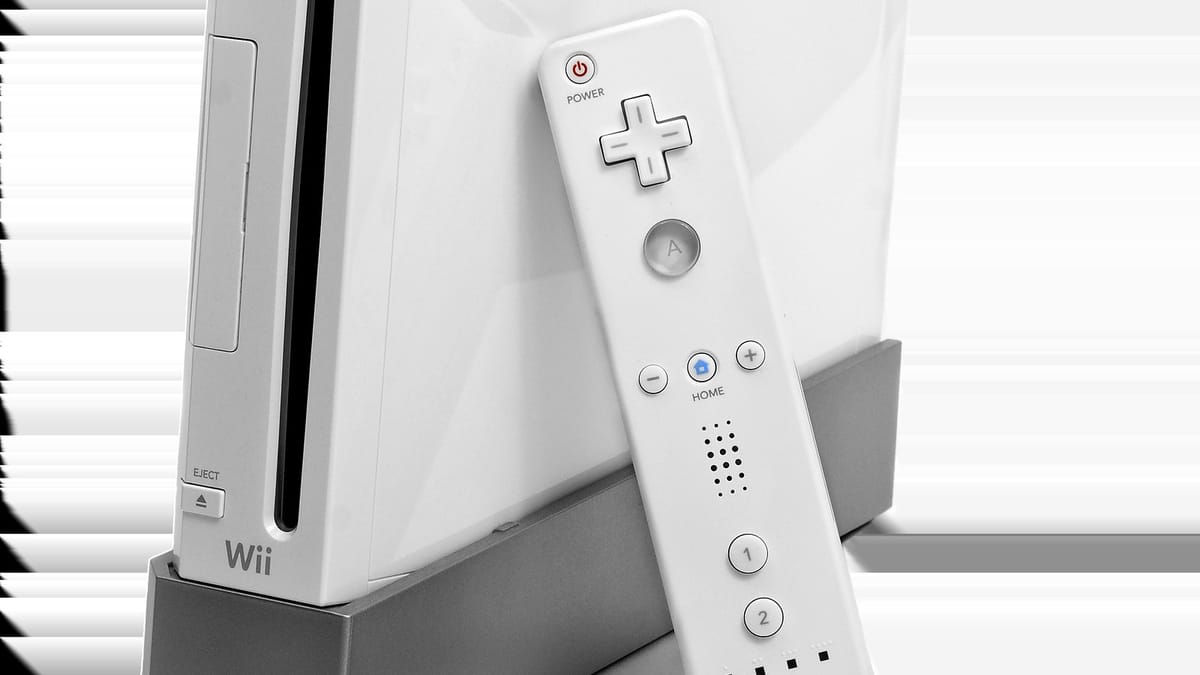
Developer Bryan Keller has successfully ported Apple's Mac OS X 10.0 Cheetah to run natively on the Nintendo Wii. The project brings the 2001 desktop operating system to Nintendo's 2006 motion-control console.
I think this is so rad. The Wii has seen its fair share of homebrew operating systems over the years, from Linux to Windows NT. Getting Apple's foundational OS X release running on a gaming console is a completely different beast. Keller apparently took on the project after seeing a Reddit comment claiming it was impossible.
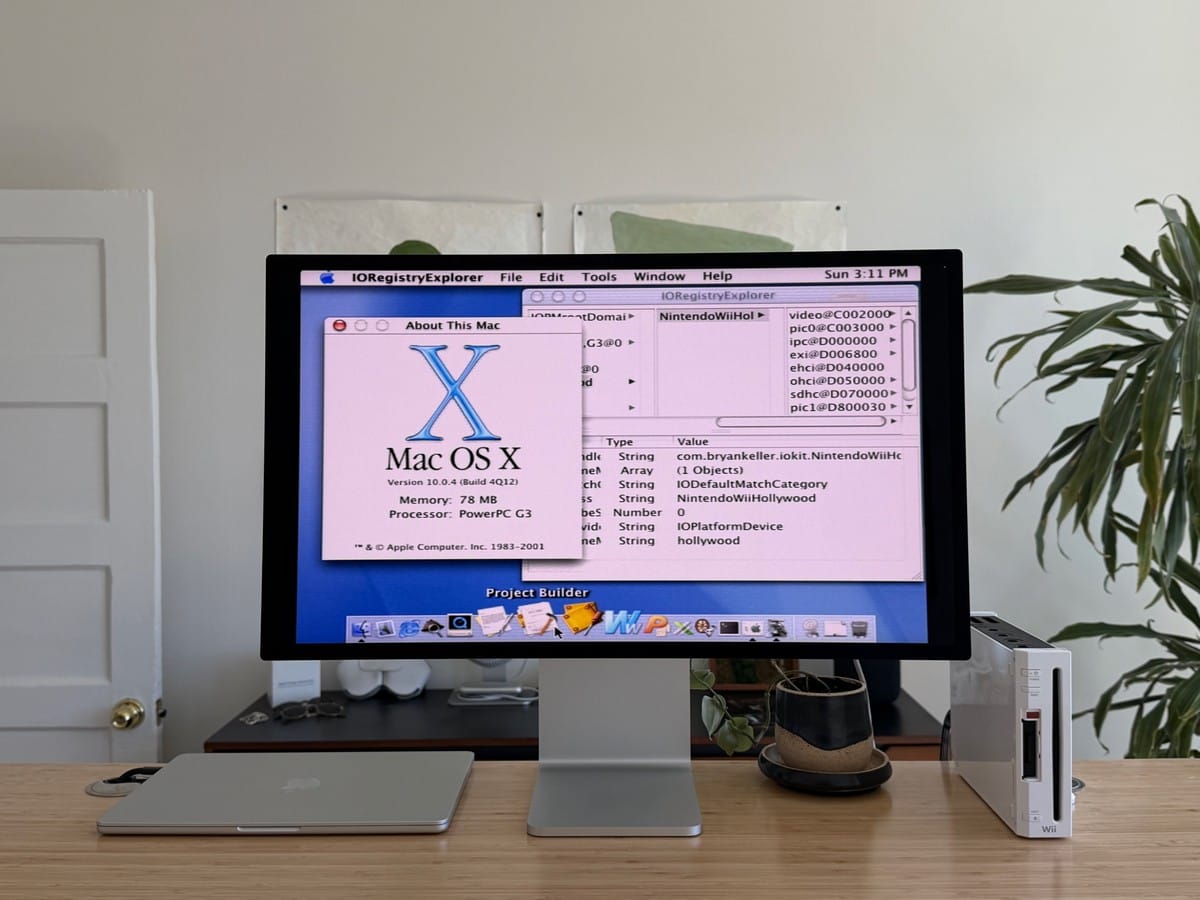
They both use PowerPC chips
The port works because both the Wii and early 2000s Macs share a common architectural lineage. Mac OS X Cheetah was built for Apple's PowerPC G3 and G4 computers. The PowerPC architecture was the standard for Apple desktops from 1994 until their transition to Intel in 2006. Nintendo also relied heavily on PowerPC, using variants of the architecture for the GameCube, Wii, and Wii U. The Wii is powered by a PowerPC 750CL processor. That shared instruction set provided the foundation, but getting the software to actually boot required months of reverse engineering.
Keller had to deal with the fact that the Wii uses a completely different memory map than a standard Mac. He wrote a custom bootloader from scratch to bridge the gap between the Wii's hardware and Apple's kernel. The Wii's memory configuration and its custom Hollywood system-on-a-chip are entirely alien to Mac OS X. To figure out how Apple's bootloader initialized the kernel, Keller used tools like Xcode and the Hopper disassembler to pull apart the original binaries. Hopper is a reverse engineering tool that transforms compiled macOS executables into readable assembly code.
A single blinking LED
Keller noted that the earliest breakthrough was getting the Wii's disc drive LED to blink. The Wii lacks standard Mac hardware like a serial port for debugging output. Keller had to patch the Mac OS X kernel to toggle the Wii's GPIO pins just to confirm the code was executing.
From there, the project required writing custom drivers for the Wii's specific hardware components. The console's USB host controllers and frame buffer needed to be mapped so the operating system could display its Aqua user interface and accept input. The Aqua interface was famous for its translucent windows and photorealistic icons, which look surprisingly crisp running through the Wii's video output. The final result is a fully functional desktop environment running on a console designed for Wii Sports.
The $129 operating system
Mac OS X 10.0 Cheetah originally launched on March 24, 2001, for $129. It was a massive shift for Apple. The company moved away from the classic Mac OS to a Unix-based core derived from NeXTSTEP and FreeBSD. It laid the groundwork for every Apple operating system that followed.
The Wii launched five years later in November 2006 and sold over 101 million units worldwide. It remains one of the most heavily modified consoles in gaming history. The homebrew community has spent nearly two decades pushing the hardware beyond its original limits. Keller's project is the latest proof that the scene is still active.
The full technical write-up, including architecture diagrams and photos of the OS running on a television, is available on Keller's website.
Comments ()