
Playground Games outlines the 'swashbuckling' combat and reputation systems of the new Fable
Game Director Ralph Fulton explains why the 2026 reboot leans into 'British social awkwardness' rather than high fantasy tropes.
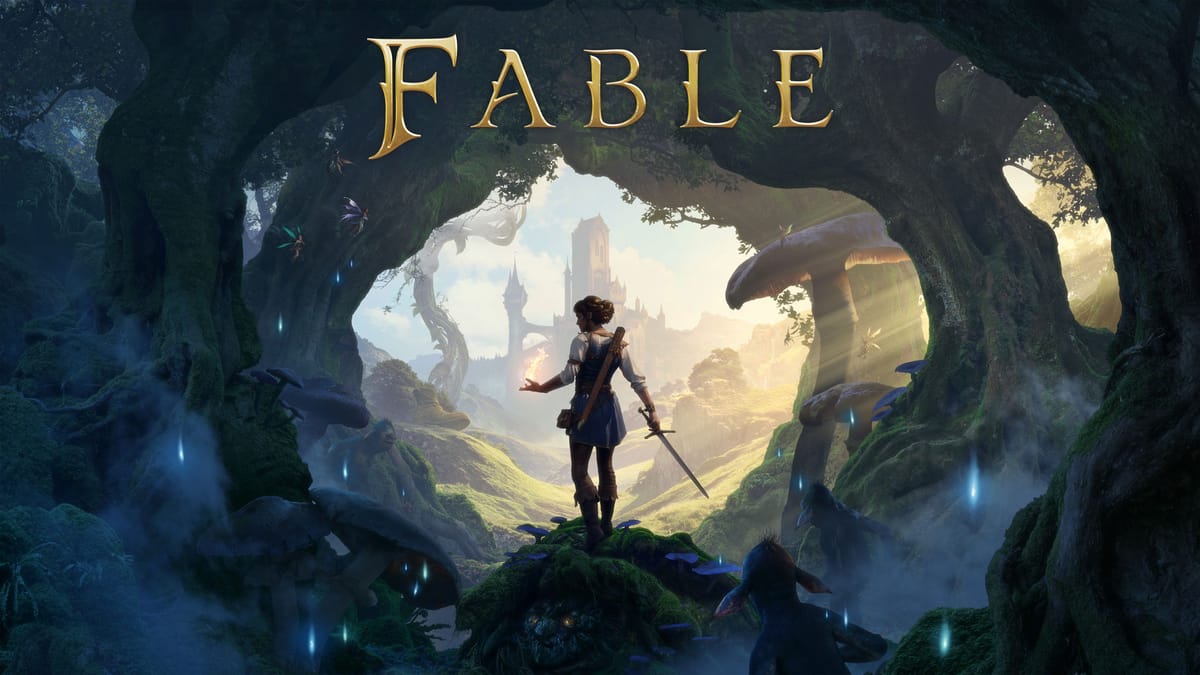
Game Director Ralph Fulton has provided the first concrete details on the gameplay systems and narrative tone of the upcoming Fable reboot following the recent Xbox Developer_Direct. In a detailed interview published on Xbox Wire, the Playground Games executive confirmed the title will launch in 2026 and clarified that the project is a complete restart rather than a direct sequel to Lionhead Studios' original trilogy.
The latest look at Fable from the Developer_Direct.
For those keeping score, it has been over 15 years since Fable III was released in 2010. The original developer, Lionhead Studios, was shuttered in 2016, leaving the franchise in limbo until Playground Games—a studio previously known exclusively for the Forza Horizon racing series—picked up the mantle. It is a strange pivot. Usually, when a developer switches genres, they go from shooters to RPGs, not from hyper-realistic driving simulators to kicking chickens in a fantasy village.
Fairy Tales, Not High Fantasy
Fulton emphasized a distinct tonal shift away from the "High Fantasy" tropes that dominate the RPG genre. While games like Dragon Age or The Elder Scrolls focus on world-ending cataclysms and ancient lore, Fable is aiming for something more grounded and arguably stranger.
"High Fantasy is dragons and elves and dwarves and saving the world from an impending doom," Fulton explained. "Fairy tale is giant beanstalks and pumpkins that turn into carriages and handsome princes and wicked witches."
This distinction informs the game's humor, which Fulton describes as distinctly British. The team is targeting a specific comedic vibe centered on "social awkwardness" and tragedy rather than constant jokes. It is the sort of humor where a hero tries to look cool and immediately trips over a rake. This aligns with the legacy of the original 2004 release, which stood out specifically because it didn't take itself as seriously as its contemporaries.
Swashbuckling and Reputation
The combat system is described as "swashbuckling," a term intended to convey improvisation over rigid tactical rotations. Players will have access to melee weapons, bows, and magic, but the intent is to mix them fluidly. Fulton gave the example of using a potion not just for health, but throwing it at an enemy to launch them into the air before striking them with a sword.
The franchise's signature morality system also returns, though it has been retooled around the concept of "Reputation." Rather than a simple good-versus-evil binary, the game tracks how the world perceives the player. This ties into what Playground calls the "Living Population" system.
This system appears to be the most technically ambitious component of the reboot. NPCs in Albion are not merely static quest givers standing in one spot waiting for you to press A. They have routines, relationships, and memories. If you cause a scene in the town square, the population reacts. This sounds excellent on paper, though veteran gamers will remember Peter Molyneux promising similar levels of AI complexity back in 2004. Hopefully, Playground's engineering team, having simulated complex physics in Forza, can deliver on the promise of a reactive world.
Release and Platforms
The game is scheduled for release in 2026. In a move that reflects Microsoft's shifting strategy regarding exclusivity, the title will be available on Xbox Series X|S, PC via Steam and the Microsoft Store, and PlayStation 5. It will also be available on day one via Xbox Game Pass Ultimate.

Comments ()