
OpenPS2BIOS v0.2 releases as a free PS2 BIOS replacement for emulators
Tamariba Devs has released OpenPS2BIOS v0.2, an experimental MIT-licensed PlayStation 2 BIOS replacement built for PCSX2 that avoids copyrighted Sony firmware.
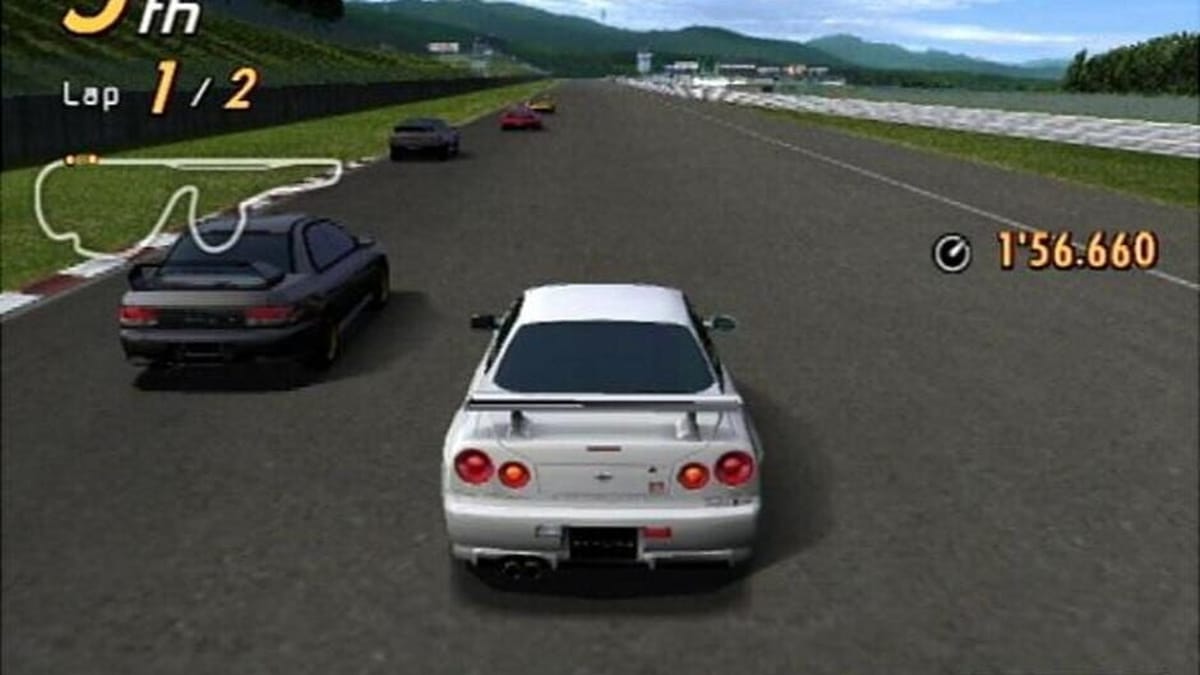
Independent development group Tamariba Devs has released version 0.2 of OpenPS2BIOS, an experimental, open-source PlayStation 2 BIOS replacement built from scratch for emulators. Following the initial v0.1 debut on October 16, 2026, the v0.2 update arrived a day later with a module startup scheduling fix for Gran Turismo 4 and prebuilt 4 MiB ROM images that drop straight into PCSX2.
Since Sony launched the PlayStation 2 in 2000 and went on to ship over 155 million units, emulating the 128-bit console legally has always hit the same wall. PCSX2, the open-source emulator that began in 2002 and now runs across Windows, Linux, and macOS, can play nearly the entire PS2 library, yet it still requires users to dump a copyrighted BIOS image directly from a physical console. While emulators for platforms like the Game Boy Advance or PlayStation 1 eventually gained high-level BIOS replacements, the PS2's dual-processor setup kept users tethered to proprietary Sony code.
OpenPS2BIOS is an attempt to break that dependency under the permissive MIT License. It bundles a custom boot screen alongside independent reimplementations of both the Emotion Engine (EE) CPU kernel and the Input/Output Processor (IOP) kernel, which is the secondary chip Sony originally carried over from the first PlayStation to handle I/O tasks and backward compatibility.
Why calling it clean-room is an overstatement
In software preservation, "clean-room" reverse engineering usually means two isolated teams: one that examines the proprietary hardware or code to write a technical specification, and a second blind team that writes the new software from those notes alone. Tamariba Devs, a group that also maintains source forks for emulators like DuckStation, Dolphin, and PPSSPP under the Tamariba Emulator Frontend organization, isn't pretending they went to that kind of trouble.
According to the developers, calling OpenPS2BIOS "clean-room" would overstate the process used, because they did not use a separate team to turn their findings into a specification for the people writing the code. Instead, the team consulted public hardware documentation, existing interfaces in the open-source PS2SDK, and PCSX2's own source code, while running behavioral tests against a retail BIOS. No Sony firmware is included, and the team strictly forbids contributors from referencing leaked Sony SDK materials or disassembled retail firmware.
That blunt transparency is welcome. Emulation projects sometimes throw the phrase "clean-room" around as a magic legal shield when they really just mean "we wrote our own C code," so seeing a team lay out their exact methodology is refreshing.
38 games reach the main menu
Before anyone reaches for a hardware programmer, this 4 MiB binary will not work on an actual PlayStation 2. Emulators like PCSX2 initialize the console's memory controller and low-level hardware on their own, so OpenPS2BIOS skips those steps entirely. Flashing it to a physical PS2 will just leave the console unable to boot.
Even inside PCSX2, the BIOS is still early. Its compatibility list tracks 38 game and disc entries that boot to their main menus, including Shadow of the Colossus, Final Fantasy X International, Persona 3, Kingdom Hearts II Final Mix+, and Grand Theft Auto: San Andreas. The v0.2 update pushes Gran Turismo 4 far enough to reach its memory-card prompt. Still, getting to a title screen doesn't mean you can actually play the game yet, as audio, controller input, and saving remain largely unverified.
The current build has several structural gaps:
- The custom boot screen launches PS2 discs directly, skipping the system configuration menu, memory card browser, and clock or language settings.
- PlayStation 1 discs, audio CDs, and DVD videos aren't supported.
- When a game reboots the IOP, the BIOS substitutes built-in service replacements rather than loading the specific modules the game requested, and encrypted KELF modules don't work at all.
- Whenever a game hits an unimplemented system call, OpenPS2BIOS intentionally halts execution right away so missing features show up as an obvious failure rather than a mystery crash ten minutes later.
I'm curious to see how quickly the built-in IOP module replacements hold up once testers push past title screens into actual gameplay, since PS2 games are notorious for relying on quirky, game-specific IOP behavior.
Comments ()