
OpenCDi developer shows off Digital Video Cartridge games running on PC
Creator Gianluca demonstrates how the MAME-based OpenCDi emulator handles tricky Philips CD-i FMV titles like Brain Dead 13 and Lost Eden.
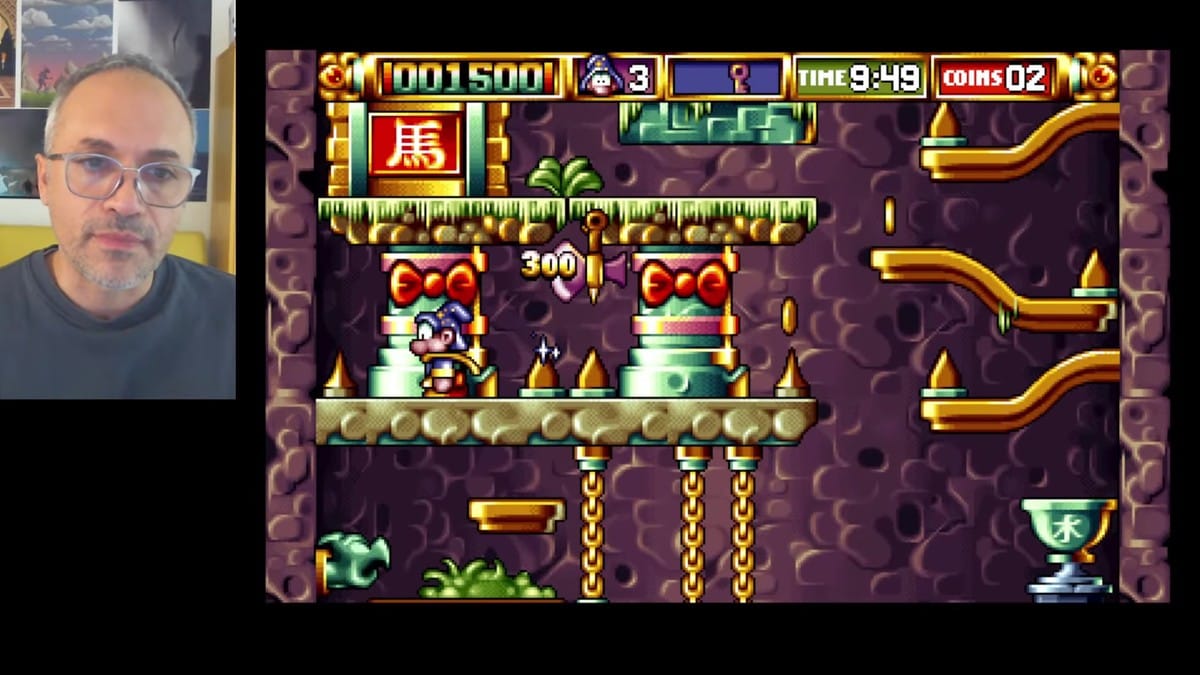
Italian developer and content creator Gianluca (known online as Sig. Santilio) has shared a 15-minute walkthrough demonstrating how his prototype Philips CD-i emulator, OpenCDi, handles games that require the system's Digital Video Cartridge (DVC). The free, open-source PC project first surfaced on GitHub on October 18, and as we previously reported when version 0.1.6 added Video CD fixes, its main goal is getting notoriously finicky full-motion video (FMV) software to boot and play without locking up.
Sig. Santilio's walkthrough of OpenCDi running Digital Video Cartridge software.
Why the MPEG cartridge is such a headache
Philips launched the CD-i in December 1991 for around $700 to $1,000, pitching it as an educational and multimedia player rather than a traditional game console. To handle high-end FMV and Video CDs, the company released the Digital Video Cartridge add-on, which slotted a dedicated MPEG-1 hardware decoder and extra RAM into the machine. That secondary processor is the reason so many big-budget CD-i games have stayed trapped on aging hardware.
Standalone programs like CD-i Emulator made headway in the 2000s, and the MAME project eventually built out solid hardware documentation through its cdimono1 driver. Even so, DVC games remained a sore spot. Rather than writing a new emulator from scratch, Gianluca built OpenCDi on top of MAME's open-source codebase, using its existing DVC implementation as a foundation to hunt down game-specific freezes and black screens.
"The digital video cartridge is supported. So you can play actually many games for that cartridge. And this was the biggest obstacle with other emulators," Gianluca said. "Many thanks to the MAME team because they did a great job and it was actually the emulator with the best DVC support out there."
Running DVC software in OpenCDi still requires original system BIOS dumps (such as cdi220b.rom) alongside the cartridge's own vmpega.rom file, so you'll need those files on hand before booting anything up. It is a welcome development that someone is finally focusing on the DVC bottlenecks rather than just the base hardware, even if it means preserving a library heavy on interactive cartoons and mid-90s FMV experiments.
Fixing Brain Dead 13 and testing the library
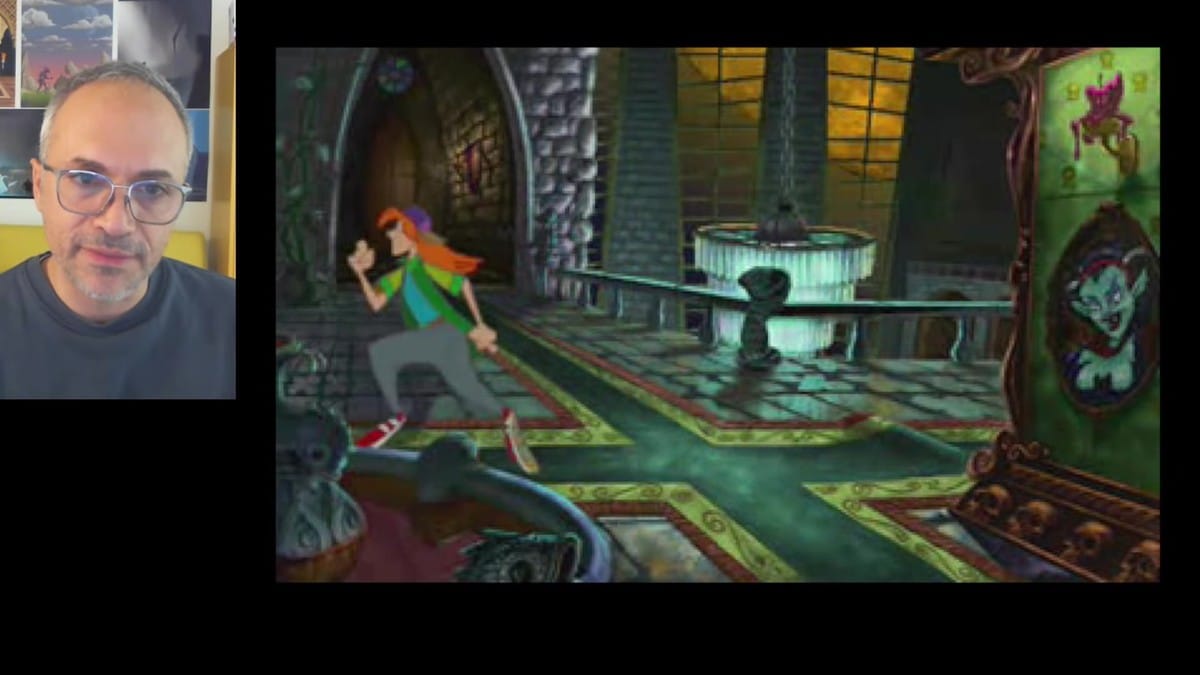
Much of Gianluca's development time went toward fixing ReadySoft's 1995 animated adventure Brain Dead 13. On older emulators, the game would either hang on a black screen at launch or freeze mid-scene. In a laserdisc-style quick-time event game, even a minor timing drift between the MPEG-1 video stream and the controller inputs makes it unplayable.
OpenCDi now runs Brain Dead 13 with its input-to-video timing intact, which is worth noting since the CD-i version has cleaner video compression than the later PlayStation and Sega Saturn ports. Gianluca also demonstrated several other titles running in the prototype build:
- Lost Eden, Cryo Interactive's 1995 prehistoric adventure game, which relies on the DVC for its full-screen pre-rendered cinematics.
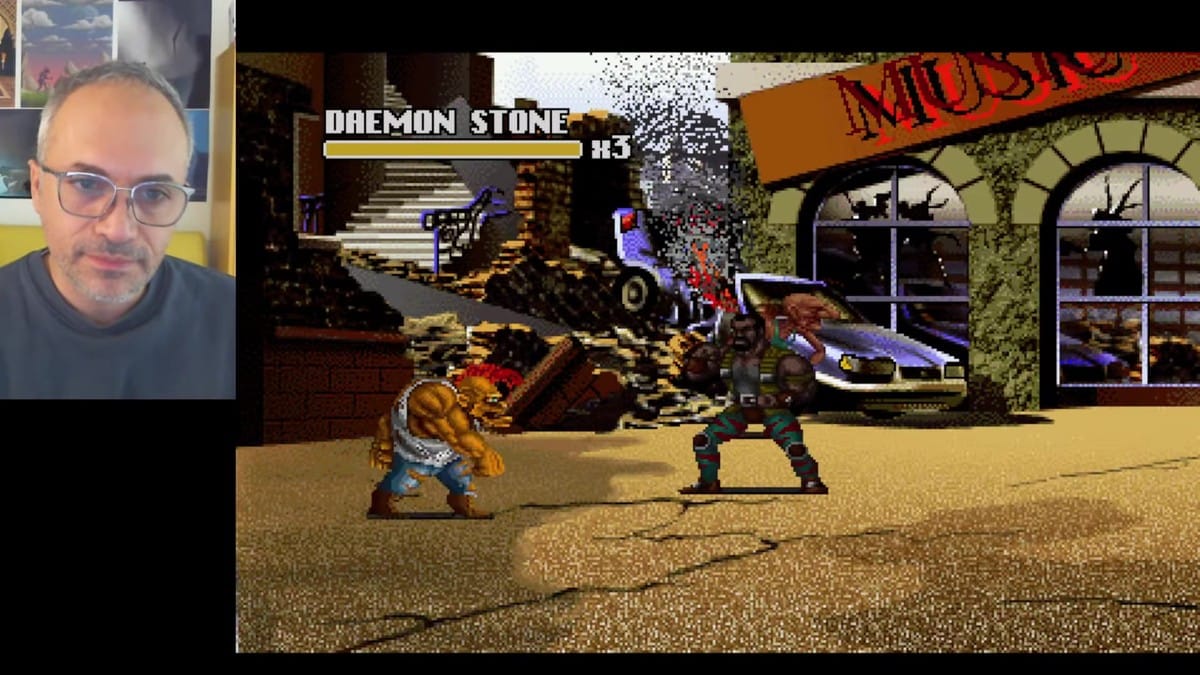
- Mutant Rampage: Bodyslam, a beat-'em-up co-developed with Animation Magic (the same studio behind the CD-i's infamous Zelda games). It plays smoothly, though it currently shows minor sprite flickering.
- Chaos Control, an FMV rail shooter that boots and runs without major hiccups.
- Escape from CyberCity, a shooter built around footage from the Galaxy Express 999 anime films, which runs in the prototype despite some lingering audio bugs.
- The Apprentice and Ultra CD-i Soccer, two non-FMV games that run smoothly in-game, though The Apprentice is currently missing its menu music.
Because he's working on the project alone, Gianluca says he can't play through every title from start to finish to verify whether late-game crashes still happen. It remains to be seen how many people actually have the patience to beat Escape from CyberCity on real hardware to compare the audio quirks, let alone in an early prototype emulator. Still, he is asking players to test the build and report bugs so he knows how OpenCDi's output compares to an actual CD-i hooked up to a television.
Comments ()