
Nintendo Music just added the complete Super Metroid soundtrack
Nintendo Switch Online subscribers can now stream all 28 tracks from the 1994 SNES classic Super Metroid on the Nintendo Music app.
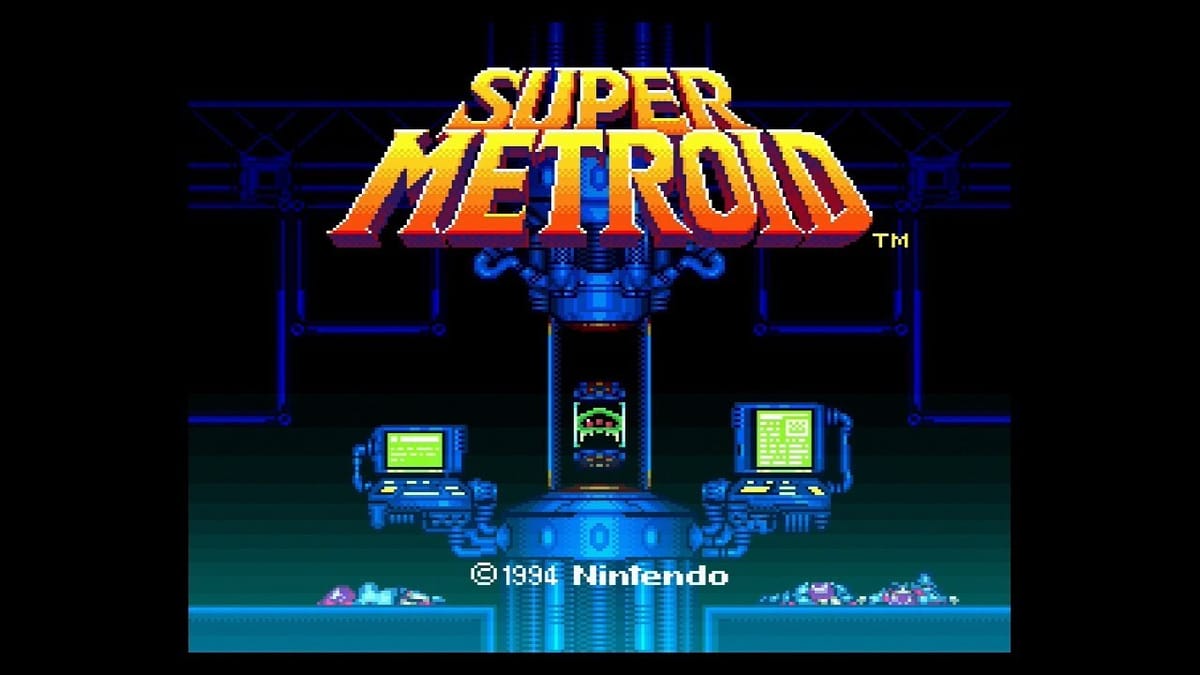
Nintendo has added a 28-track selection from the Super Metroid soundtrack to its Nintendo Music smartphone app. This release is not the complete soundtrack, as the official 1994 album 'Super Metroid: Sound in Action' features 38 tracks. The album went live today, March 17, 2026, and is available to stream or download for anyone with an active Nintendo Switch Online subscription. The release coincides with the game's original Japanese launch month back in 1994.
The release covers the entire Super Famicom game. It includes heavy hitters like the "Theme of Super Metroid" and "Theme of Samus Aran," along with the ambient environmental tracks that made the planet Zebes feel so isolating. The app organizes the music by game, and it includes a spoiler-prevention toggle that hides track names and thumbnail images for late-game boss fights.
The tracklist includes the eerie "Crateria Surface" theme alongside the frantic "Mother Brain" boss music. Nintendo also uploaded the specific jingles that play when Samus appears on screen or when the planet Zebes explodes.
Super Metroid's soundtrack is now available on Nintendo Music.
21 tracks can loop for an hour
If you use the app's "Extend" feature, 21 of the 28 tracks can be stretched out to loop seamlessly for 15, 30, or 60 minutes. I am personally thrilled about this, because I can now put the Lower Brinstar theme on a one-hour loop while I work. That bassline is perfect background noise.
The Nintendo Music app launched in October 2024 as a free perk for Switch Online members. It operates similarly to Spotify or Apple Music, but it is strictly limited to Nintendo's internal catalog. Users can download tracks for offline listening and build custom playlists based on specific characters or moods.
Yamamoto's motorcycle melodies
Super Metroid originally launched in March 1994. Its audio was handled by Kenji Yamamoto and Minako Hamano. They pushed the Super Nintendo's SPC700 sound chip to its absolute limit to create the game's oppressive, moody atmosphere. Instead of relying purely on upbeat chiptune melodies, they built tension using deep bass and echoing synthesizers.
The Super Nintendo only had 64 kilobytes of audio RAM. Yamamoto and Hamano had to be incredibly efficient with their instrument samples to fit the entire soundtrack onto the cartridge. They used heavy reverb to make the underground caverns sound massive and empty. This approach was a stark contrast to the bright, energetic platformer soundtracks that dominated the 16-bit console generation.
Yamamoto famously came up with several of the game's core melodies while riding his motorcycle home from the office. He would pull over to record himself humming into a tape recorder before he forgot the notes. The resulting soundtrack set the audio template for the entire franchise. Almost every subsequent Metroid game has remixed or referenced the musical motifs established in this 1994 release.
Metroid II took a year to show up
Nintendo has been slowly trickling out its back catalog since the music app debuted. The Metroid franchise has seen a particularly slow rollout compared to Mario or Zelda. The Game Boy soundtrack for Metroid II: Return of Samus did not hit the service until October 2025.
With Super Metroid finally available, the 16-bit era is covered. The app still has some major gaps in the series timeline. We are still waiting on Metroid Fusion and Metroid Dread. Until those arrive, at least we have the definitive version of the Brinstar theme available on demand.
Comments ()