
Nihon Falcom Debuts First-Ever Acrylic Blocks for The Legend of Heroes: Trails in the Sky
The veteran RPG developer is expanding its merchandise lineup with high-end acrylic blocks featuring art from the 2004 classic that started the Kiseki phenomenon.
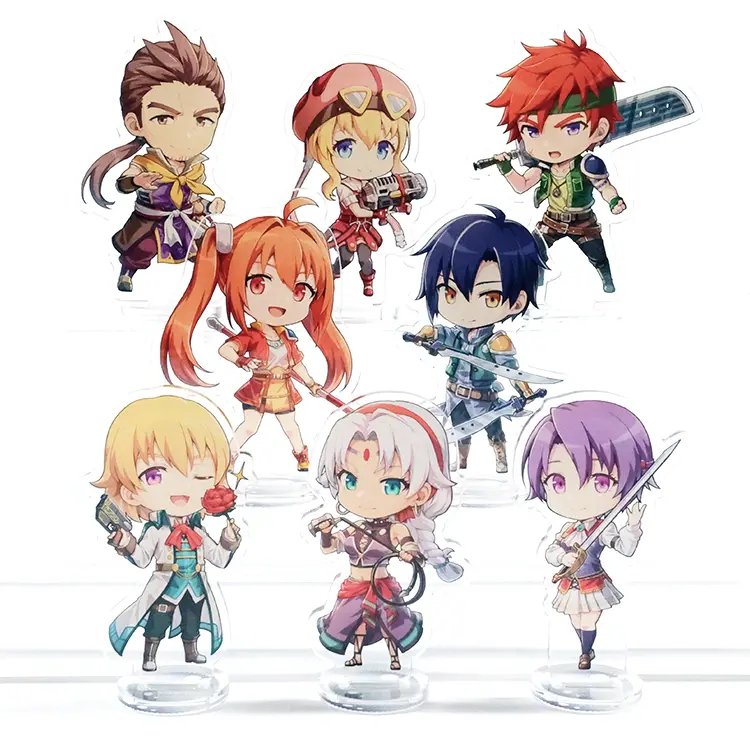
Nihon Falcom has released a new collection of acrylic merchandise for Sora no Kiseki the 1st (known in the West as The Legend of Heroes: Trails in the Sky), introducing acrylic blocks to the Falcom Shop for the first time. The new lineup is available immediately through the company's official online storefront.
According to the official announcement, the release includes standard acrylic stands (often called "Acsta" in Japan) alongside the new block-style items. While Falcom has produced endless streams of merchandise over the last four decades, this marks the first time the specific "acrylic block" format has appeared as a Falcom Shop original product. These blocks are generally thicker, freestanding slabs of acrylic that display artwork with a sense of depth, serving as a more premium alternative to the standard 2D standees that require a base.
The Game That Started the Saga
For those who haven't spent the last twenty years tracking the political machinations of the Zemurian continent, Sora no Kiseki the 1st is the patient zero of the modern Trails (Kiseki) franchise. Originally released for Windows PCs in Japan in 2004, the game represented a massive pivot for Nihon Falcom.
Prior to this release, the studio was best known for the high-speed action of the Ys series or the dungeon-crawling focus of Dragon Slayer. Trails in the Sky took a different approach. It prioritized an incredibly dense script, a slow-burn narrative, and a world where every non-playable character had their own changing dialogue after every minor story event. It was a risky move that established the template for what is now one of the longest continuous narratives in video game history.
The game introduces Estelle and Joshua Bright, members of the Bracer Guild, as they investigate a disappearance that eventually spirals into a geopolitical crisis involving the Liberl Kingdom and the Erebonian Empire. The artwork featured on these new acrylic blocks appears to utilize the classic character designs from that original era, rather than updated 3D models or later reinterpretations.
Falcom's Merchandising Machine
Nihon Falcom, founded in 1981 by Masayuki Kato, is one of the oldest video game companies still in operation. They are also notoriously savvy about leveraging their back catalog. Unlike many developers who let older IP rot in a vault, Falcom keeps their history in active circulation through ports, remasters, and a steady stream of physical goods.
The shift toward acrylic blocks follows a broader trend in Japanese hobbyist collecting. These items have gained popularity because they are durable and easier to display on crowded desks than fragile figures. They also allow for high-resolution printing of key visual art, which Falcom has in abundance. For a game released in 2004, the continued demand for merchandise speaks to the obsessive loyalty of the Trails fanbase.

Comments ()