
Mortal Kombat: Legacy Kollection just got private room codes
Digital Eclipse's massive compilation of early Mortal Kombat games just received a major update, bringing much-needed multiplayer features and difficulty locks.
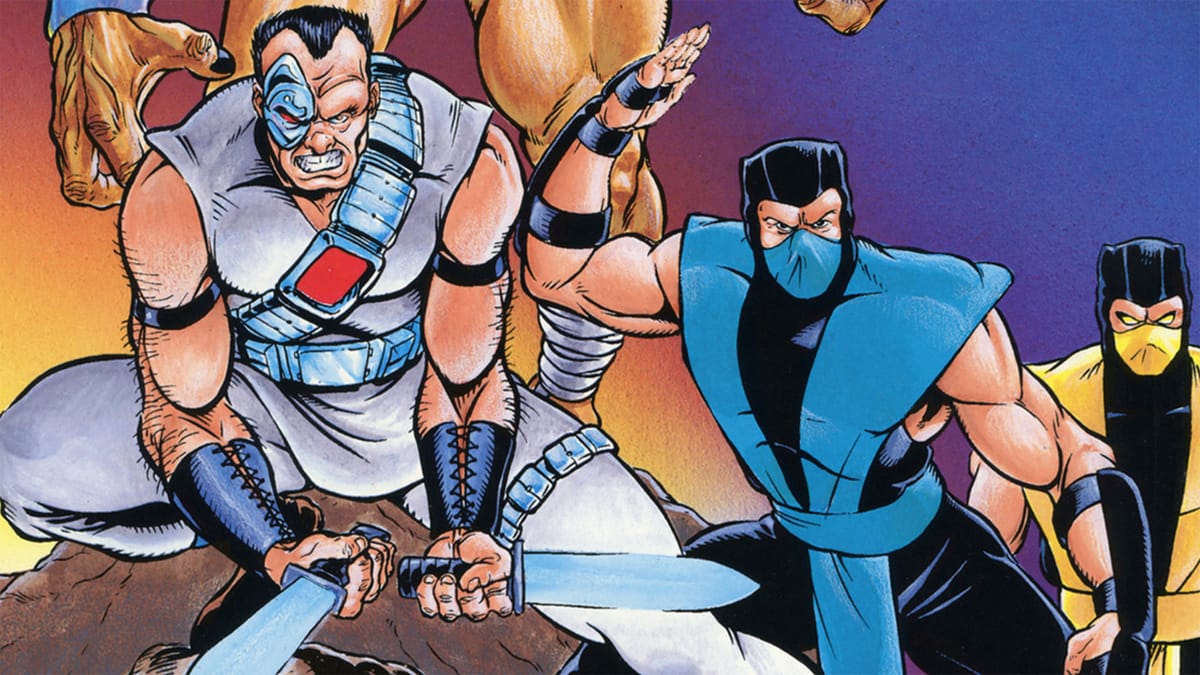
Digital Eclipse has released a new update for Mortal Kombat: Legacy Kollection. The patch adds private online room codes and connection filtering to the retro fighting game compilation.
When the collection launched back in October 2025, I was thrilled to finally have a legal, modern way to play the classic 2D era. Digital Eclipse applied the same interactive documentary treatment here that they used for Atari 50 and The Making of Karateka. The studio packed the release with behind-the-scenes footage and video interviews with creators like Ed Boon and John Tobias. The game library itself is massive. It includes the arcade originals, the Super Nintendo and Sega Genesis home ports, and even obscure handheld versions for the Game Boy and Game Gear. They even dug up the ultra-rare "WaveNet" edition of Ultimate Mortal Kombat 3, which only saw a brief location test in 1997. But the online multiplayer suite felt a bit barebones at launch. This update directly addresses some of those early friction points.
Five characters to enter
The biggest addition is the new room code system. If you want to set up a private lobby, the game now generates a five-character code. You just hand that code to a friend, they type it into the Play menu, and you are immediately matched up. The developers also added a toggle to hide the code on your screen. If I am streaming a session, I can keep the lobby locked down to specific friends. Alternatively, I can leave the code visible and let random viewers jump in to hand me a flawless victory.
Matchmaking also received a practical upgrade. You can now filter available public rooms by connection strength. The collection uses rollback netcode, which is generally excellent for retro fighting games. However, rollback cannot perform miracles if you are trying to fight someone on a spotty Wi-Fi connection three continents away. Setting a strict connection limit means you can stick to local players and avoid underwater-feeling matches entirely.
Locking down the CPU
Midway's original arcade boards are notorious for their brutal, quarter-eating artificial intelligence. The CPU opponents in Mortal Kombat II and Mortal Kombat 3 are infamous for reading player inputs and countering attacks with impossible reaction times. In a previous patch, Digital Eclipse added a "Fixed AI Difficulty" toggle specifically for the arcade versions of the games. This let you lock the CPU behavior on a scale from 0 to 9.
With today's update, that feature now applies to every single game in the entire package. This includes the Super Nintendo and Genesis releases, along with the various handheld ports. The home console ports of these games often had entirely different AI routines than their arcade counterparts. The Super Nintendo version of the original Mortal Kombat plays at a completely different rhythm than the arcade board. Applying the fixed difficulty toggle to these specific versions means you can finally practice combos on a consistent, predictable opponent regardless of which port you load up. You can set the difficulty to zero and it will actually stay there all the way to Shao Kahn. It is a welcome quality-of-life addition for anyone who just wants to see the character endings without having to memorize the exact pixel distance needed to bait a CPU jump-kick.
Dead Pool audio and future crossplay
The studio also implemented several specific bug fixes pulled directly from community feedback on their official Discord server. They squashed an audio bug in the Dead Pool stage of the Mortal Kombat II arcade version. They also fixed a graphical glitch that would pop up during 2-on-2 rematches in Mortal Kombat Trilogy.
According to Digital Eclipse, the team is not done updating the package. Full crossplay support is scheduled for the next major patch, which is slated to arrive later this spring. Once that drops, the player pool will finally merge across all PlayStation, Xbox, Nintendo, and PC platforms. Until then, at least we can finally filter out the bad connections.

Comments ()