
Mega Cat Studios releases JESTER, a new limited-edition NES cartridge
The retro publisher has launched a new physical maze game for the Nintendo Entertainment System, continuing their run of modern titles for 8-bit hardware.
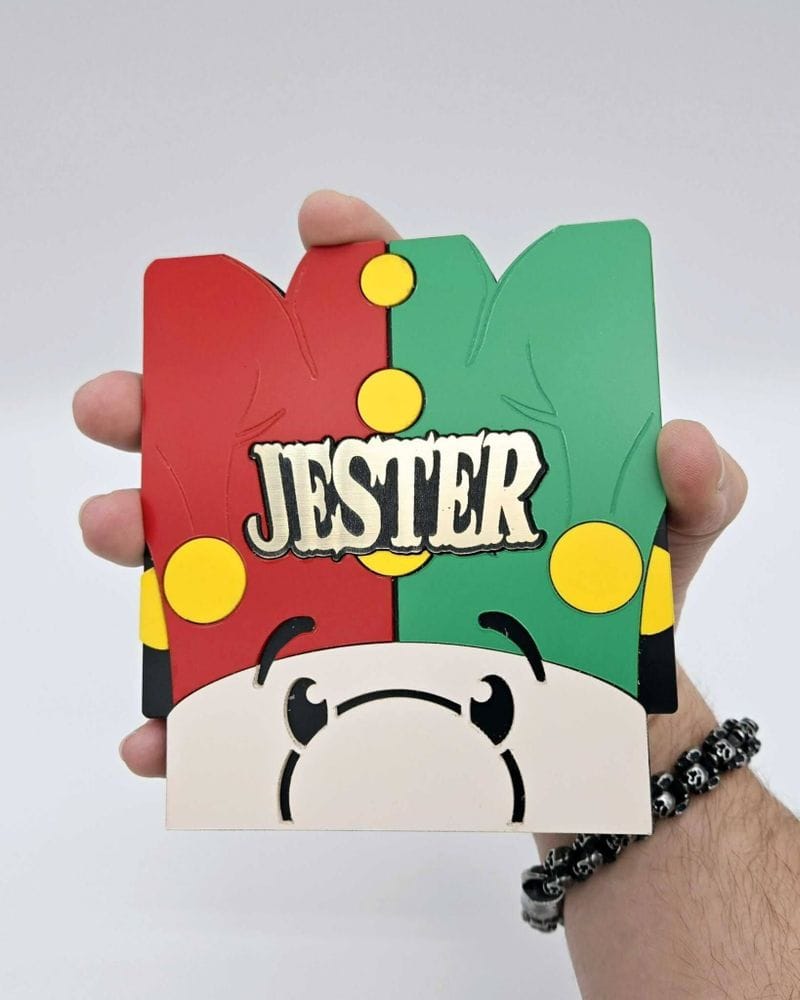
Mega Cat Studios has officially released Jester, a new limited-edition title developed specifically for the Nintendo Entertainment System. The game is available now as a physical cartridge compatible with original 1985 hardware and most modern clone consoles.
According to the announcement on Bluesky, the title challenges players to "explore, conquer, and survive the maze that awaits you." The release follows the studio's established model of producing high-quality physical media that mimics the retail products of the late 1980s, complete with boxes, manuals, and functional circuit boards.
The Business of New Old Games
For those who haven't tracked the aftermarket scene, Mega Cat Studios has spent the last decade carving out a specific niche in the gaming industry. They function as a bridge between the hobbyist homebrew community and commercial publishing. While many modern "retro" games are simply Unity projects using pixel art assets, Mega Cat specializes in software that actually runs on the metal.
Their previous output includes titles like the beat-'em-up Coffee Crisis and the arcade sports title Log Jammers. These games are written in Assembly or C specifically for the Ricoh 2A03 processor found inside the NES. This means the developers have to work within the same draconian constraints that Nintendo's own teams faced in 1985: a limited color palette, severe sprite limitations per scanline, and a total system RAM that is smaller than the text file of this article.
Why Physical Media Still Moves
The release of Jester as a physical cartridge highlights the stubborn persistence of the NES aftermarket. Producing a cartridge in 2026 is significantly more complex than uploading a ROM to Steam or itch.io. It requires sourcing plastic shells, manufacturing new printed circuit boards (PCBs), and flashing memory chips. It is a supply chain nightmare that most modern publishers would run screaming from.
Yet, the demand remains. The "Limited Edition" moniker attached to Jester suggests a focus on the collector market. In previous releases, Mega Cat has utilized colored plastic shells—often translucent or sparkly—to distinguish their runs from the standard grey plastic of the licensed era. For the enthusiast, the act of blowing into the cartridge (which you shouldn't do, as it corrodes the pins) and slamming it into the deck is part of the gameplay loop.
The Modern 8-Bit Landscape
Jester arrives at a time when the distinction between "retro" and "modern" is increasingly blurry. Tools for NES development have improved drastically over the last forty years. While developers in the 80s had to build their own engines from scratch and debug on expensive hardware, modern creators have access to advanced mappers and emulators that allow for rapid iteration.
This often results in games that push the hardware harder than was common during the console's commercial lifespan. Modern homebrew titles frequently utilize advanced memory mappers to bypass the storage limits of early NES titles, allowing for larger worlds and more complex logic than what was seen in launch titles like Balloon Fight.
While the source material is light on specific gameplay mechanics beyond the maze description, the title implies a dungeon-crawler or puzzle-oriented experience. If it follows the trajectory of previous Mega Cat releases, players can expect a difficulty curve that respects the "Nintendo Hard" tradition without necessarily adhering to the unfair design tropes used to pad out rental periods in the 90s.

Comments ()