
Maxell just put Bluetooth and USB-C in a new portable cassette player
The MXCP-P100 brings modern wireless audio and fast charging to a classic tape deck design for about $90.
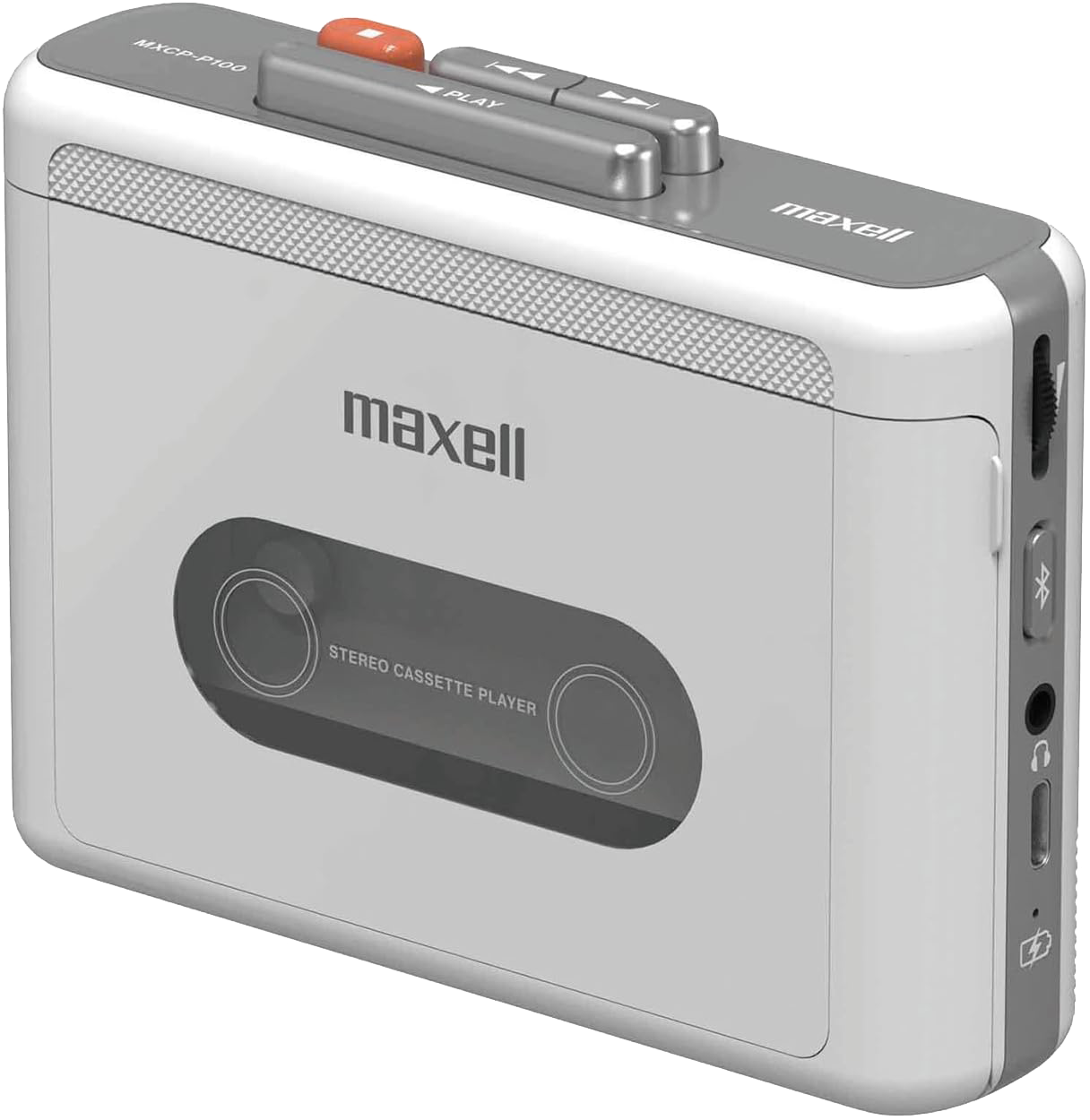
Maxell has released the MXCP-P100, a brand new portable cassette player equipped with Bluetooth 5.4 and USB-C charging. The device originally launched in Japan on May 26, 2025, for 13,000 yen. It is now making its way to the United States through Maxell USA for roughly $90.
Cassettes are having a massive revival right now. Indie bands regularly drop their new EPs on tape. The lo-fi aesthetic of analog audio has a massive following online. People actually want to buy physical media they can hold in their hands. Maxell is leaning directly into that mixtape nostalgia. The company dominated the 1980s magnetic tape market with its famous "Blown Away Guy" advertising campaign. Now they are manufacturing hardware to play those old tapes. The resurgence of cassettes is fascinating because tapes are inherently flawed. They hiss. They degrade. They get eaten by bad tape heads. That imperfection is exactly what makes them appealing in a world of sterile digital streaming.
The problem with modern tape players
Getting into cassettes over the past decade meant making a difficult choice. You could hunt down a vintage Sony Walkman on eBay and pray the 30-year-old rubber belts inside hadn't turned to sticky goo. Alternatively, you could buy a cheap modern player from a random Amazon brand. Those cheap players almost universally use the same low-quality generic tape mechanism. They suffer from terrible audio warble and chew up expensive tapes.
A brass flywheel for stable playback
Maxell did include some welcome internal upgrades to help with audio quality and avoid the pitfalls of cheap modern players. The MXCP-P100 uses a brass flywheel mechanism. This adds physical mass to the internal rotation system. That extra weight keeps playback speeds stable and reduces the dreaded wow and flutter effect that ruins analog audio. It is a massive step up from the lightweight plastic flywheels found in most modern novelty cassette players. The device also has a transparent front door. You can watch the tape spools spin while the music plays.
It only plays Type I tapes
The MXCP-P100 is built specifically for standard playback. It only supports Type I normal bias cassettes. You cannot play high-bias Type II or metal Type IV tapes on this unit. It also lacks an auto-reverse function. You will have to manually hit the stop button, eject the cassette, and physically turn it around when side A finishes. I actually prefer this limitation. The tactile clunk of ejecting a cassette and physically turning it around is half the reason to own a tape player in the first place. Auto-reverse mechanisms are notoriously fragile anyway. Keeping the internal parts simple usually means the player will last much longer.
Seven hours of wireless audio
The modern additions make this device practical for daily use. It charges via a standard USB-C port in under two hours. A full battery gets you about nine hours of listening through the standard 3.5mm headphone jack. If you use the Bluetooth 5.4 connection to pair wireless earbuds, that battery life drops to around seven hours. Maxell claims the device can reach 11 hours of wireless playtime. Real-world usage with modern headphones will likely sit closer to that seven-hour mark. Having Bluetooth built directly into the player is a huge convenience. You do not have to mess around with clunky external Bluetooth transmitters plugged into the headphone jack.
Finding a reliable portable tape deck usually means taking a gamble on vintage hardware. A brand new player from a legacy audio company offers a much easier entry point. The $90 price tag is reasonable for a device with a brass flywheel and modern charging standards. It bridges the gap between a thrift store tape collection and a modern pair of wireless headphones. You get all the analog hiss of a mixtape with the convenience of USB-C.



Comments ()