
MAME 0.288 is out with rare Konami games and classic synthesizer support
The latest MAME update brings a C++20 migration, rare Bubble System dumps, and support for the Sequential Circuits Prophet 5 synthesizer.
The development team behind the Multiple Arcade Machine Emulator has released MAME 0.288. The update brings major under-the-hood compiler changes alongside support for rare Konami arcade hardware and classic 1970s synthesizers.
Moving to C++20
The project has officially migrated to C++20. This shift raises the baseline requirements for both development tools and operating systems. Windows users now need an up-to-date version of Windows 10 or later to run the emulator.
The developers also switched to compiling the Windows x64 releases with Clang. This build process uses the UCRT and libc++ libraries. Aligning the toolchains makes the Windows x64 and Arm64 builds much more consistent. It also fixes a nasty bug that made MAME for Windows Arm64 almost unusably slow when the debugger was active.
The user interface has a few noticeable tweaks. Options now display in a de-emphasized color if they currently use default or inherited values. This reverses the previous behavior seen in the input assignment menus. The menus for controlling mounted media have also been adjusted to behave more intuitively. Users can find new settings in the Miscellaneous Options menu for how the MAME interface handles these menus.
Rare Konami Bubble System dumps
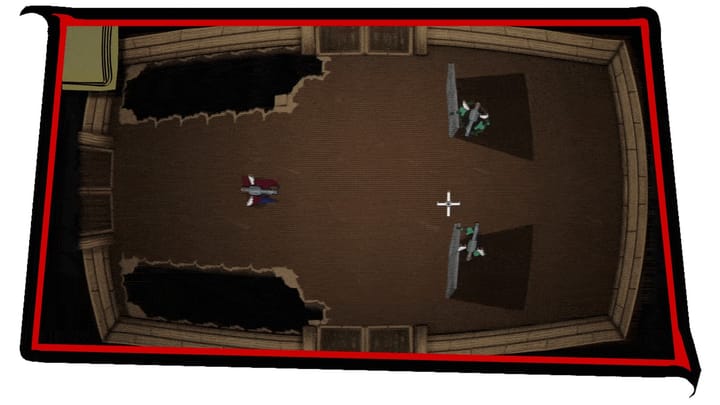
On the arcade side, preservationists managed to dump rare Bubble System versions of Konami's Galactic Warriors and RF2-Red Fighter. The Bubble System was a notoriously fragile arcade hardware platform from 1985 that used magnetic bubble memory cartridges.
These cartridges had to be heated up to a specific temperature before they would boot. The process involved a literal heating element and a famous countdown screen accompanied by a chiptune track known as Morning Music. Because the hardware is prone to physical failure and the magnetic memory degrades over time, getting clean dumps of these specific versions is a major win for arcade preservation.
The Prophet 5 synthesizer works now
MAME's scope extends far beyond arcade cabinets. The emulator now supports the Sequential Circuits Prophet 5. This was a highly influential analog synthesizer released in 1978. It was one of the first polyphonic synthesizers to allow users to save patches, and it shaped the sound of 1980s pop music. Artists like John Carpenter and Kraftwerk relied heavily on it.
Emulating a synthesizer in MAME might seem strange at first glance. However, these instruments are essentially specialized computers running firmware that needs to be preserved just like any arcade board. The Prophet 5 is now fully working in the emulator.
Comments ()