
Majora's Mask just got a native PlayStation Vita port
Homebrew developer Rinnegatamante has brought the Nintendo 64 classic to the Vita using decompiled C code, complete with dual analog camera support.
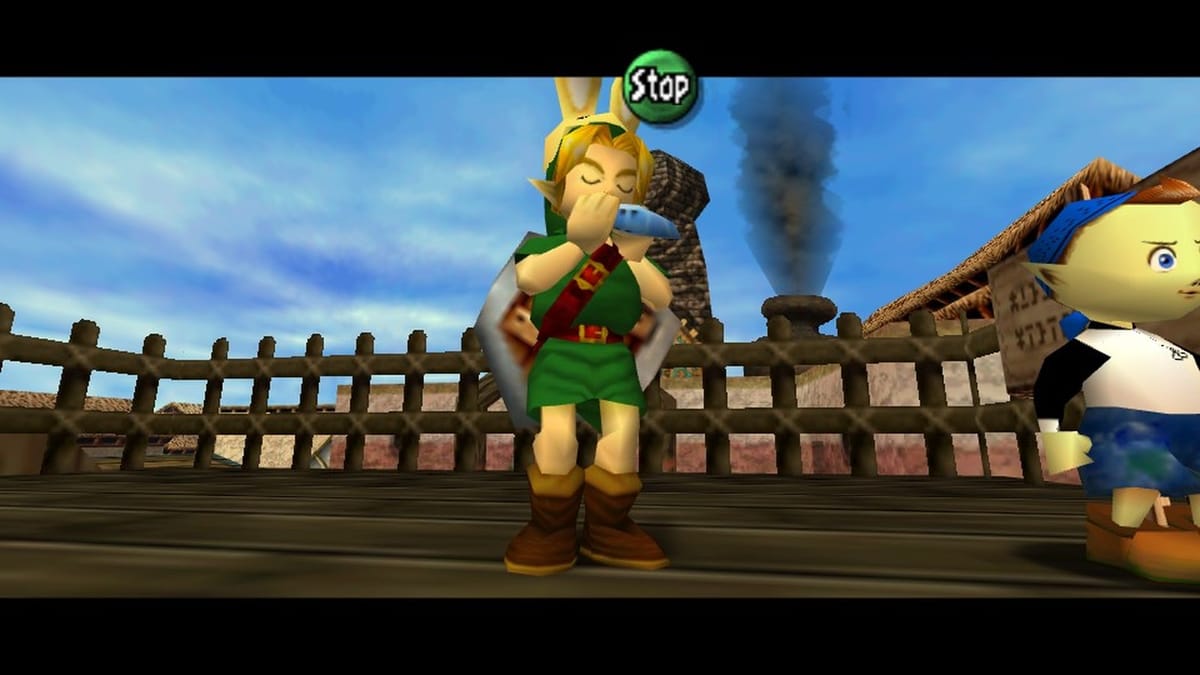
Homebrew developer Rinnegatamante has released a native port of The Legend of Zelda: Majora's Mask for the PlayStation Vita. The release is available right now on VitaDB.
I love the Zelda franchise, and I absolutely adore the Vita. I also think Majora's Mask is the worst 3D Zelda game Nintendo ever made. But even with my personal biases, seeing a Nintendo 64 classic running natively on Sony's abandoned handheld is a technical marvel.
Running natively on Sony hardware
This is not a simple emulator wrapper. The port relies on the recent decompilation efforts by the ZeldaRET team and the Zelda64Recomp project. A team of developers spent years reverse-engineering the original Nintendo 64 ROM files. They translated the raw assembly code back into readable C code. This process is entirely legal because the decompilation project itself contains no copyrighted Nintendo assets.
Rinnegatamante took that C code and optimized it for the Vita hardware. He is a cornerstone of the PlayStation Vita homebrew community. He created VitaDB, the very repository hosting this new Zelda port. Over the years, he has ported dozens of PC and mobile titles to the Sony handheld. His work keeps the console alive long after Sony shut down first-party support.
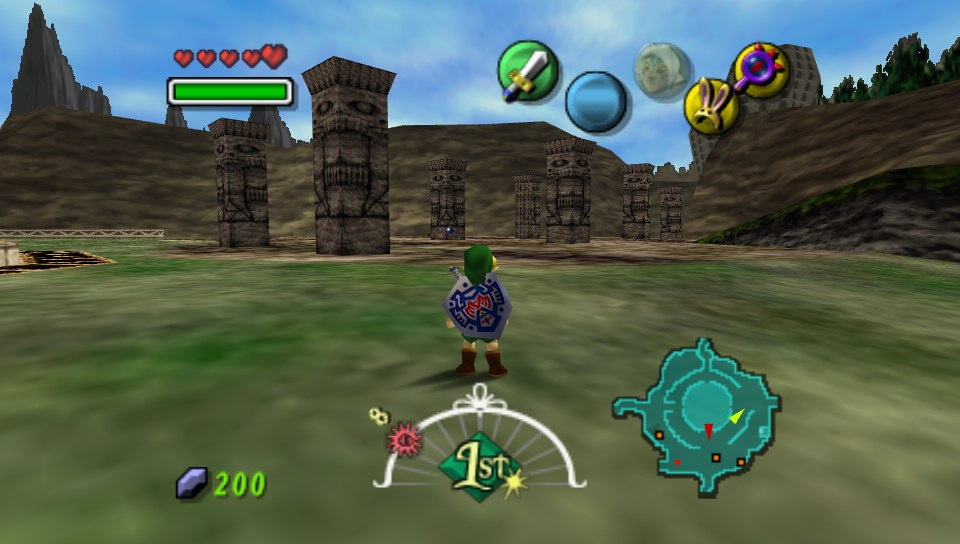
The performance is excellent. The port maps the camera controls to the right analog stick. This is a massive upgrade over the original Nintendo 64 controller.
Three days in Termina
Nintendo originally released Majora's Mask in 2000. The development team had a strict one-year deadline following the massive success of Ocarina of Time. To meet that schedule, director Eiji Aonuma and his team reused character models and assets. They built a completely different kind of game with those familiar pieces.
Majora's Mask launched late in the life of the Nintendo 64. It required the Expansion Pak memory upgrade to run. This extra RAM allowed for more characters on screen and a complex schedule system for the non-player characters. Every person in Clock Town follows a specific routine over the three days. You have to learn their habits to solve their problems and collect their masks. These masks let protagonist Link transform into different creatures, like a Deku Scrub or a Goron.
Instead of a sprawling hero's journey, the game traps players in a repeating three-day time loop. The moon is falling. You have 72 in-game hours to solve the problems of the local townsfolk, conquer four dungeons, and stop the apocalypse. When time runs out, you play the Song of Time to reset the clock. This resets most of your consumable items and story progress.
I just don't like being timed
Here is where I have to confess my sins. I know people praise the dark atmosphere and the intricate NPC schedules. I just hate the time limit. Majora's Mask is easily my least favorite 3D Zelda game.
Playing a Zelda game is usually about exploration. You take your time to poke at secrets and bomb random walls. The constant ticking clock in Termina gives me anxiety. I never feel like I can just relax and explore. Every side quest feels like a stressful race against a literal timer. I vastly prefer the traditional pacing of Ocarina of Time or The Wind Waker.
Despite my feelings on the game itself, this Vita release is brilliant. The bright colors of Termina pop beautifully on the OLED screen of the original 1000 model Vita. It runs at a smooth framerate and feels great in the hands. If you actually enjoy being crushed by a terrifying moon, this is a fantastic way to play it.

Comments ()