
Konami's 1983 shooter Mega Zone is joining the Arcade Archives lineup
Hamster Corporation is bringing the pre-Gradius Konami shooter Mega Zone to modern consoles this week with two different versions.
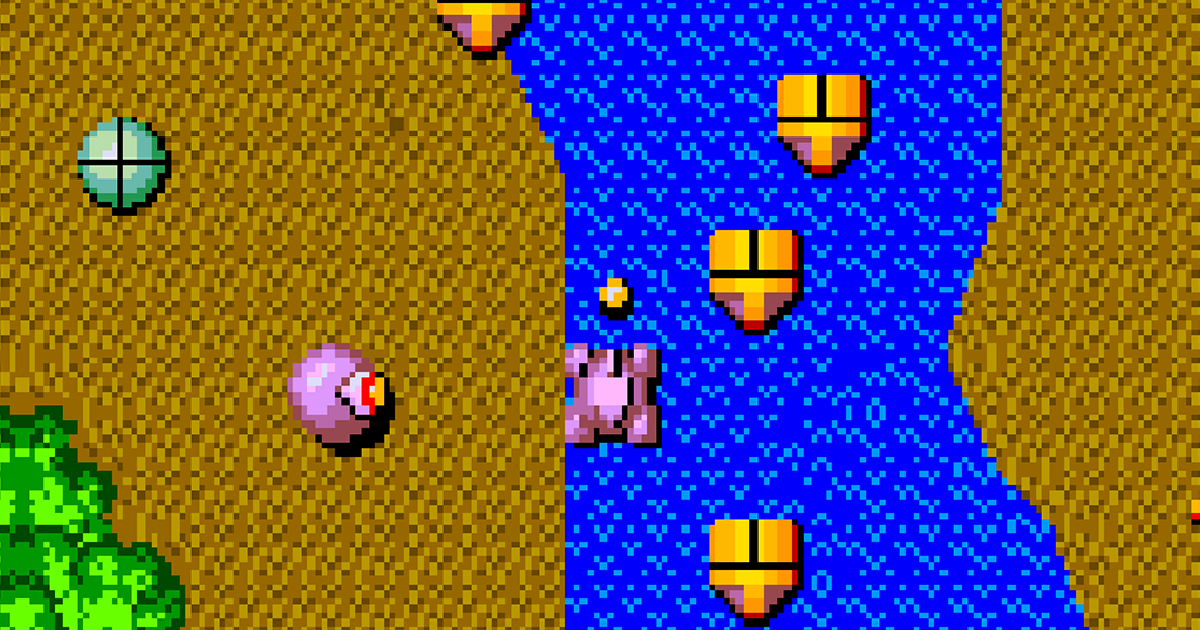
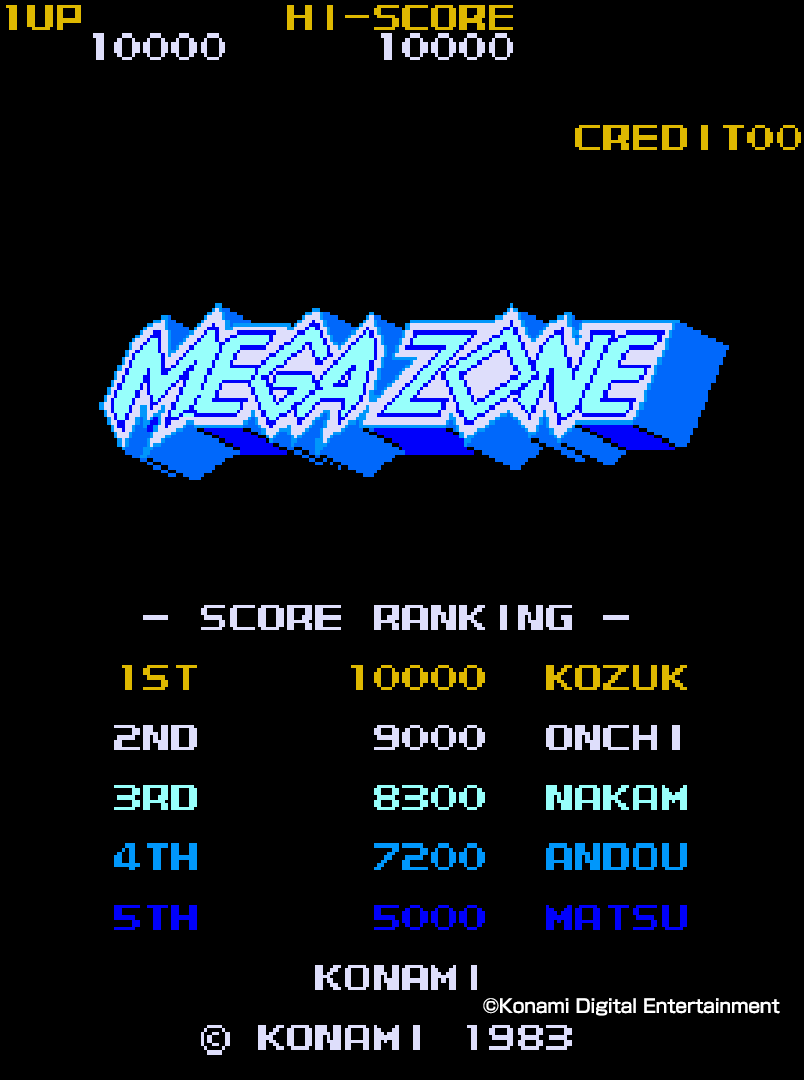
Hamster Corporation has announced that the 1983 Konami shooter Mega Zone will join the Arcade Archives library on February 12, 2026. The release is split into two distinct titles: "Arcade Archives MEGA ZONE" and "Arcade Archives 2 MEGA ZONE," continuing the publisher's recent trend of separating their standard releases from their newer, current-gen iterations.
According to the official announcement, both versions will be available digitally this Wednesday. While Hamster releases are typically associated with the Nintendo Switch and PlayStation 4, the "Arcade Archives 2" branding usually indicates a version optimized for PlayStation 5 and Xbox Series X|S, often featuring reduced input latency and higher resolution support compared to the standard legacy versions.
Gameplay footage of Mega Zone via Hamster Corporation.
A pre-Gradius history lesson
Mega Zone sits in an interesting spot in Konami's timeline. Released in 1983, it predates the publisher's most famous shooter, Gradius, by two years. If you play it today, you can see the developers experimenting with ideas that would later become genre standards. The game utilizes an overhead perspective that isn't quite top-down and isn't quite isometric. It looks similar to Sega's Zaxxon but plays more like a traditional vertical scroller.
The game tasks players with piloting an atomic fighter jet through enemy territory. The primary objective is destruction, but the game distinguishes itself with a branching path mechanic. At specific points in the stage, players can choose different routes (left or right), which changes the scenery and enemy patterns. This was a fairly novel concept in 1983, a year when most arcade games were content to loop the same background endlessly until you ran out of quarters.
The mechanics of destruction
The gameplay relies on a formation attack system. You can collect "Formation" items that add satellite options to your ship. These aren't just extra lives. They increase your firepower width and damage output. If you are familiar with the "Option" power-up in Gradius, this is essentially the great-grandfather of that mechanic. You can deploy these formations to widen your attack range, which becomes necessary as the screen fills with ground tanks and aerial enemies.
Like most Arcade Archives releases, this version includes Hamster's standard suite of customization options. Players can adjust game difficulty, change display settings to mimic old CRT monitors, and compete on global leaderboards. The "High Score Mode" and "Caravan Mode" are also included. These modes challenge you to score as many points as possible within a strict time limit, a feature that has become the primary draw for the competitive Arcade Archives community.
Why the two versions matter
The existence of an "Arcade Archives 2" version is the technical detail worth noting here. Hamster has been slowly rolling out these updated versions to take advantage of newer hardware specs. While the game logic remains the same (it is still 1983 code running in an emulator), the wrapper around it is different. The "2" series typically runs on a newer engine designed to minimize the frame delay inherent in software emulation.
For the average player, the difference might be negligible. But for shooter enthusiasts who count frames and memorize enemy spawn patterns, the reduction in input lag on the "2" versions makes them the preferred way to play. It is a small detail, but it preserves the reactive feel of the original arcade cabinet better than previous emulation attempts.
Mega Zone might not have the name recognition of Contra or Castlevania, but it is a vital piece of Konami's arcade heritage. It shows a developer figuring out how to make shooting things fun before they perfected the formula.

Comments ()